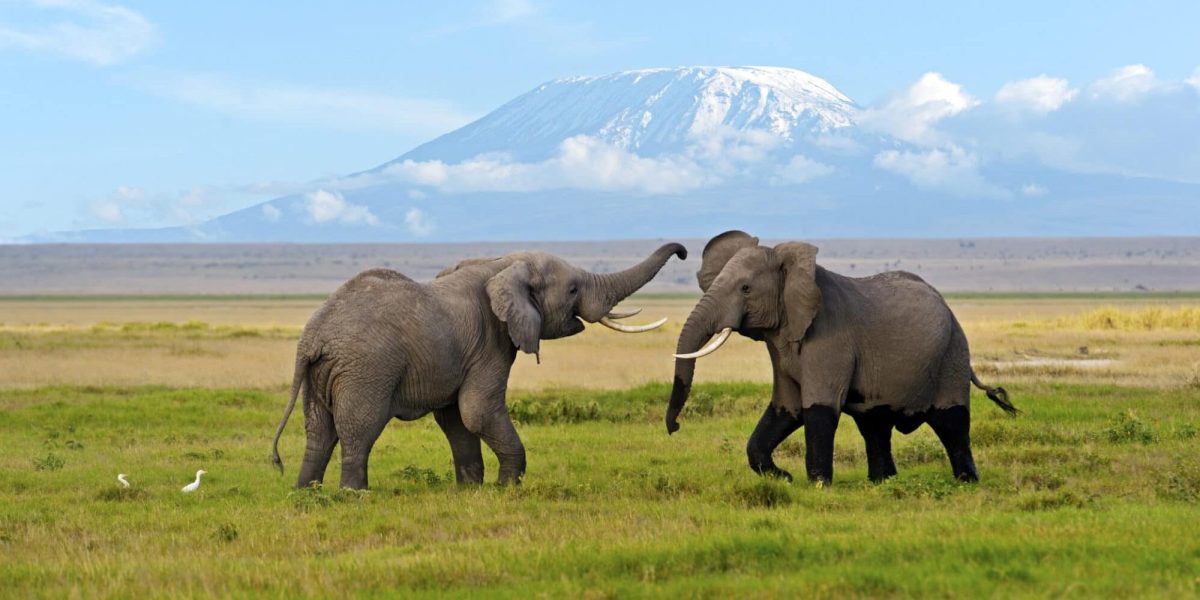

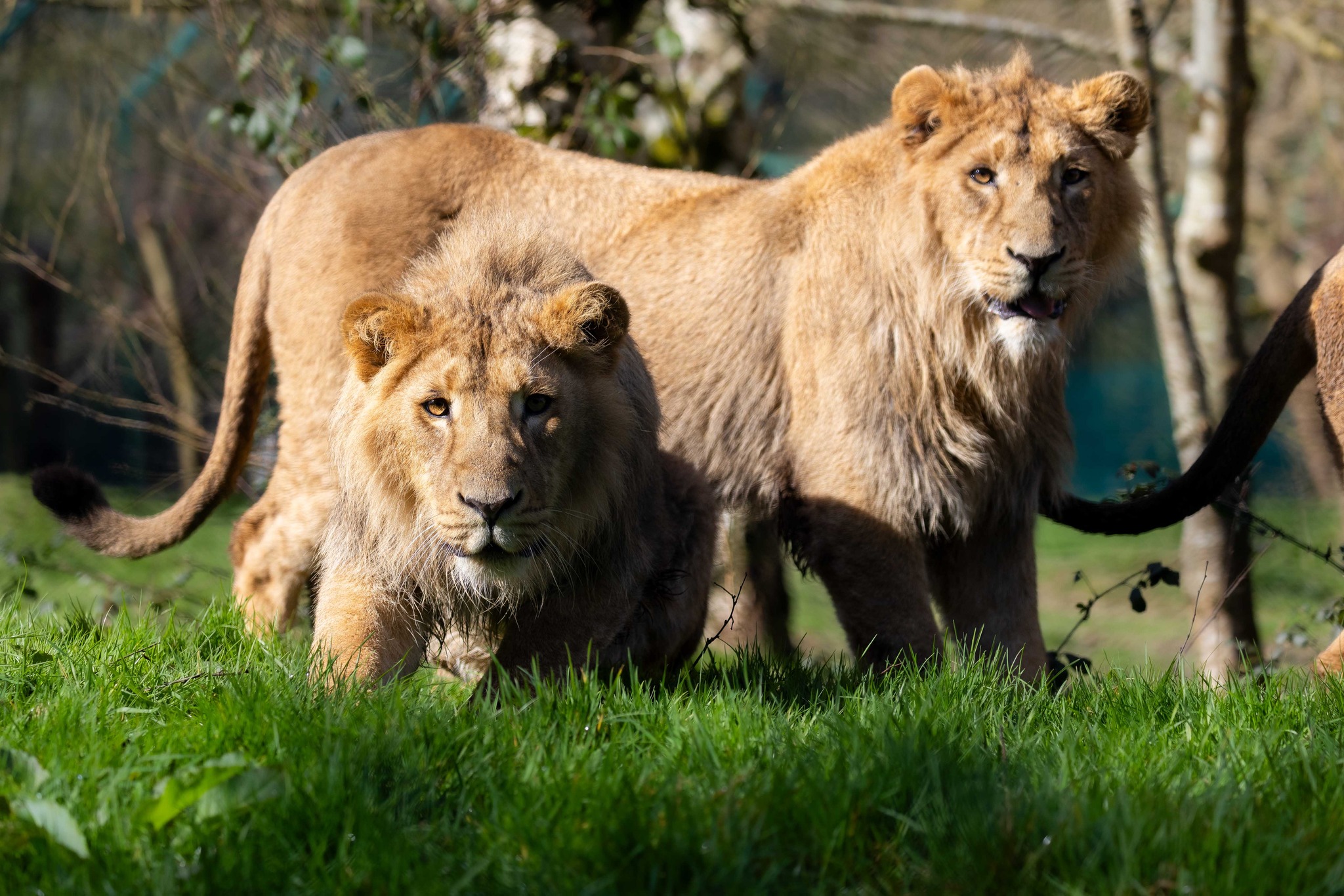
The Ngorongoro Crater is one of the seven natural wonders of Africa and one of the most extraordinary wildlife destinations on Earth. A vast volcanic caldera — the world’s largest intact caldera — rising from the highlands of northern Tanzania the Ngorongoro Crater shelters a completely self-contained ecosystem of approximately 25,000 animals within its 260 km² floor. Lions leopards elephants hippos buffalos zebras wildebeest flamingos and one of Africa’s last viable black rhino populations all live permanently within the crater walls — creating the most concentrated wildlife spectacle on the African continent.
This complete guide covers everything you need to know about visiting the Ngorongoro Crater in 2026 — the wildlife the history the crater rim lodges game drives costs how to get there and how to combine it with Rwanda gorilla trekking and the Serengeti for the ultimate Tanzania East Africa safari.
Ngorongoro Crater: Essential Facts
| Location | Northern Tanzania — Ngorongoro Conservation Area |
| Type | Volcanic caldera — collapsed volcano |
| Diameter | 19 km across |
| Depth | 600 metres from rim to floor |
| Floor area | 260 km² |
| Altitude | Crater rim: 2,286m · Crater floor: 1,700m |
| Animal population | Approximately 25,000 large animals |
| Established | 1959 as Conservation Area |
| UNESCO Status | World Heritage Site 1979 · Biosphere Reserve 1981 |
| Management | Ngorongoro Conservation Area Authority (NCAA) |
| Distance from Arusha | 180 km — approximately 3.5 hours by road |
| Distance from Serengeti | 140 km — approximately 3 hours by road |
Why Ngorongoro Crater is One of Africa’s Greatest Wildlife Destinations
The Ngorongoro Crater earns its place among Africa’s greatest wildlife destinations through a combination of geographical uniqueness ecological richness and sheer wildlife spectacle that no other single location can replicate:
The world’s largest intact volcanic caldera The Ngorongoro Crater was formed approximately 2–3 million years ago when a massive volcano — estimated to have been higher than Mount Kilimanjaro — collapsed inward creating the vast caldera that exists today. The resulting enclosed landscape creates a natural enclosure that keeps most of its resident wildlife permanently within the crater walls.
The highest lion density in Africa The Ngorongoro Crater floor supports one of the highest concentrations of lions anywhere in Africa — multiple well-habituated prides that have lived within the crater for generations. Lions are reliably seen on virtually every crater game drive.
Black rhinos — one of East Africa’s last populations The Ngorongoro Crater protects one of East Africa’s most significant surviving black rhino populations — approximately 25–30 individuals. Black rhinos are critically endangered with fewer than 6,000 remaining in the world. A crater rhino sighting is genuinely precious.
The Big Five in a compact area The Ngorongoro Crater offers the best chance of seeing all Big Five — lions leopards elephants rhinos and buffalos — in a single day of game driving. The 260 km² floor is small enough to cover comprehensively in a full day allowing systematic wildlife searching that larger parks cannot offer.
Year-round wildlife Unlike the Serengeti where the best wildlife is highly dependent on migration timing the Ngorongoro Crater offers outstanding game viewing every single month of the year. All animals are permanent residents — they do not migrate out of the crater.
Extraordinary scenery The combination of the vast caldera landscape the soda lake flamingos the forested crater walls and the open grassland floor creates a visual grandeur that is unlike anywhere else in Africa. Viewing the crater from the rim at dawn — mist filling the floor 600 metres below — is one of Africa’s most breathtaking sights.
The Ngorongoro Crater — Geology and History
The Volcanic Origin
The Ngorongoro Crater sits within the larger Ngorongoro Conservation Area — a 8,292 km² protected area in the Crater Highlands of northern Tanzania. The entire region is part of the East African Rift System — one of the world’s most geologically active zones.
The original Ngorongoro volcano is believed to have stood approximately 4,500–5,000 metres above sea level — making it potentially higher than Kilimanjaro — before it collapsed inward approximately 2–3 million years ago. The collapse created the caldera — a roughly circular depression with steep walls rising 400–600 metres from the floor to the rim.
The crater floor has no natural exit for large mammals — the crater walls are too steep for most species to climb. This creates a naturally enclosed ecosystem where resident wildlife populations are effectively permanent.
Human History
The Ngorongoro Crater and surrounding Conservation Area have been home to the Maasai people for centuries — their cattle herds grazing the same grasslands as the wildlife in a traditional coexistence that continues today. The Ngorongoro Conservation Area is unique in Tanzania in allowing human habitation alongside wildlife — Maasai communities live within the conservation area boundaries.
The area was first brought to international attention by European explorers in the late 19th century. The Leakey family — Louis and Mary Leakey — conducted groundbreaking paleoanthropological research at Oldupai Gorge (formerly Olduvai) on the Ngorongoro Conservation Area’s eastern boundary — discovering some of the earliest known human ancestors including Homo habilis and Australopithecus boisei.
Wildlife in Ngorongoro Crater
Lions — The Crater’s Most Famous Residents
The Ngorongoro Crater lion population is one of the most studied in Africa — a closed population of approximately 60–70 lions living in several well-defined prides within the crater walls.
The crater lions are famous for their black-maned males — a distinctive characteristic linked to the cooler temperatures of the high-altitude crater environment. The Black-Maned Lions of Ngorongoro are among the most photographed and celebrated lion individuals in Africa.
Because the crater population is enclosed and permanently resident the lions of the Ngorongoro Crater are extraordinarily habituated to vehicles — often walking directly past safari vehicles at extremely close range. Lion encounters in the crater are consistently among the closest and most powerful anywhere in Africa.
Black Rhinos — A Precious Population
The Ngorongoro Crater protects approximately 25–30 eastern black rhinos — one of the most significant black rhino populations in East Africa. Black rhinos are solitary and secretive — genuinely the most difficult of the Big Five to find — but the crater’s compact size makes rhino sightings more achievable here than in any other East African location.
The best areas for black rhino in the Ngorongoro Crater are the Lerai Forest area and the Ngoitokitok Springs in the eastern part of the crater floor. Early morning is the best time — rhinos are most active before the midday heat.
A black rhino sighting in the Ngorongoro Crater is one of Africa’s most special wildlife moments. If seeing a rhino is a priority tell your guide before you descend — they will prioritise rhino-rich areas in the game drive route.
Elephants — The Old Bulls of Ngorongoro
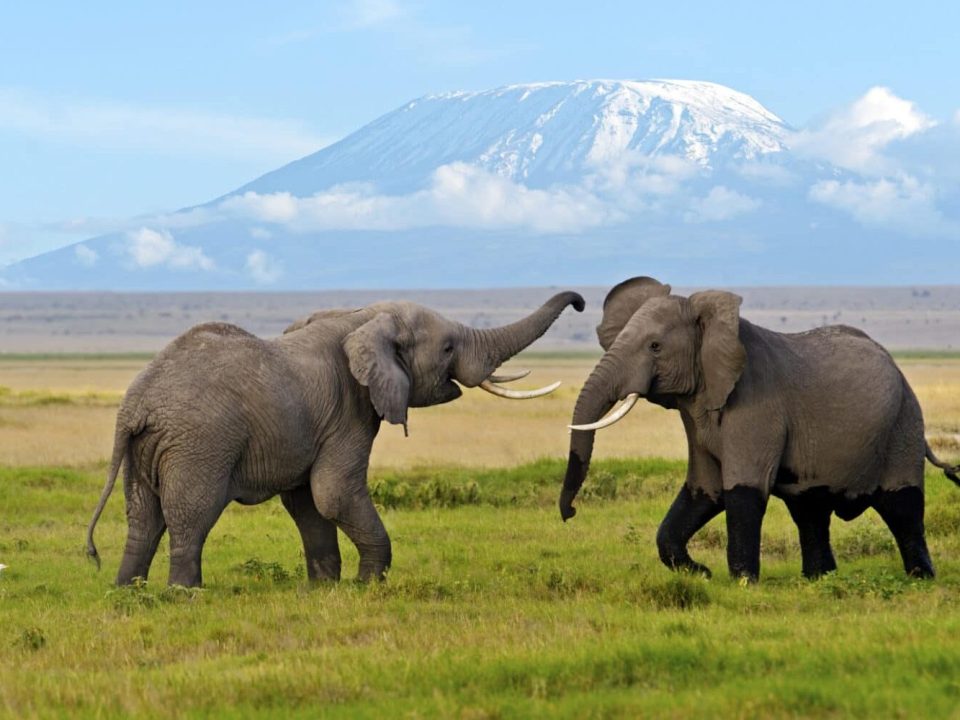
The elephant population of the Ngorongoro Crater is unusual — it consists predominantly of large old bulls with extraordinary tusks rather than breeding herds. Female elephants and young generally avoid the crater finding the steep walls difficult to navigate with calves.
The bulls of the Ngorongoro Crater are among the most magnificent elephants in Africa — ancient old males with enormous ivory sweeping almost to the ground. Encounters with these extraordinary animals are among the most memorable of any crater game drive.
Hippos — Ngoitokitok Springs and Crater Lake
The Ngorongoro floor has a permanent hippo pool at Ngoitokitok Springs in the eastern crater — home to a large pod of hippos that are reliably found every day of the year. The Ngoitokitok Springs area is also one of the best places for black rhino and is a consistent wildlife hotspot on every crater game drive.
Lake Magadi — the soda lake on the western crater floor — supports a seasonal flamingo population. When conditions are right thousands of lesser and greater flamingos create a vivid pink fringe around the lake shore — one of the most spectacular sights in the Ngorongoro Crater.
Buffalos — The Crater’s Most Numerous Large Mammal
Large buffalo herds — sometimes numbering 500–1,000 animals — are the most numerous large mammal in the Ngorongoro Crater. The vast buffalo herds on the open crater grassland create some of the most dramatic landscape photography of any crater game drive.
The buffalos are a primary prey species for the crater’s lion prides — buffalo kills and lion-buffalo confrontations are among the most dramatic predator-prey encounters regularly witnessed in the Ngorongoro Crater.
Leopards — The Crater’s Most Elusive Cat
Leopards are present in the Ngorongoro Crater — particularly in the Lerai Forest and the forested areas at the base of the crater walls — but are the most difficult of the big cats to find. A crater leopard sighting is always special.
The best time for leopard sightings in the Ngorongoro Crater is early morning when leopards may still be active from their night hunts before retreating to the forest shade.
Cheetahs
Cheetahs are present in the Ngorongoro Crater but in relatively small numbers — the open floor provides good hunting terrain but the high lion density creates competition pressure. The eastern grasslands near the Ngoitokitok area offer the best cheetah habitat in the crater.
African Wild Dogs
Wild dogs are occasionally sighted in the Ngorongoro Crater — usually passing through rather than resident. Any wild dog sighting in the crater is an extraordinary and rare event.
Birdlife — 500+ Species
The Ngorongoro Crater is a world-class birding destination with over 500 recorded species:
- Flamingos — thousands on Lake Magadi when conditions are right
- Kori bustard — the world’s heaviest flying bird — common on crater grassland
- Grey crowned crane — Kenya’s and Tanzania’s most elegant bird
- Egyptian goose — common at all water sources
- African fish eagle — present at the hippo pools and lake
- Martial eagle — occasionally soaring above the crater rim
- Secretary bird — stalking through the grassland
- Dozens of raptor species — taking advantage of the abundant prey
The Ngorongoro Crater Game Drive — What to Expect
The Descent
All game drives in the Ngorongoro Crater begin with the extraordinary descent from the crater rim — a steep winding track dropping 600 metres through dense montane forest to the crater floor. The descent takes approximately 20–30 minutes and is itself a wildlife experience — the forest at the crater wall is home to buffalo troops elephant herds and occasional leopards and hyenas in the shadows.
As you break through the forest edge onto the open crater floor the scale of the landscape hits you all at once — vast open grassland stretching for miles in every direction with the crater walls rising on all sides. Herds of wildebeest and zebra are almost always visible immediately from the descent point.
The Crater Floor
The Ngorongoro Crater floor covers 260 km² and can be comprehensively covered in a full day’s game drive. The main habitats are:
Short grass plains (central and eastern): The primary lion and cheetah territory — open enough for predator spotting and fast enough for cheetah hunts.
Lake Magadi (western): The alkaline soda lake with seasonal flamingos hippos and waterbirds.
Lerai Forest (southern): A yellow fever tree forest — prime leopard territory and excellent elephant habitat.
Ngoitokitok Springs (eastern): The permanent hippo pool and one of the best areas for black rhino encounters.
Munge River marshland (northern): Hippos buffalos waterbirds and occasional lion activity.
The Ascent
All vehicles must leave the Ngorongoro Crater floor by 6:00pm — no overnight stays are permitted on the crater floor. The ascent through the forest is again beautiful — often revealing different wildlife from the morning descent.
Game Drive Timing
Dawn descent (6:00–7:00am): The crater gate opens at dawn. This is the absolute best time to descend — predators are active from overnight hunts early morning light is spectacular and wildlife activity is at its peak.
Full day (7:00am–6:00pm): Maximum time on the crater floor — essential for the best chance of seeing all Big Five including the elusive black rhino and leopard.
Half day: Not recommended if you want to maximise wildlife sightings. The crater is most productive in the early morning and late afternoon — a half day misses one of the two best periods.
Best Time
The Ngorongoro Crater is one of Africa’s very few year-round wildlife destinations — outstanding wildlife viewing is guaranteed in every month of the year because all animals are permanent residents.
| Season | Months | Conditions | Wildlife |
|---|---|---|---|
| Dry season | June–October | Clear dry excellent | ⭐⭐⭐⭐⭐ |
| Short dry season | January–February | Clear cooler | ⭐⭐⭐⭐⭐ |
| Long rains | March–May | Some rain mornings | ⭐⭐⭐⭐ |
| Short rains | November | Brief afternoon showers | ⭐⭐⭐⭐ |
Best months: June–October and January–February for clearest conditions and best photography
Flamingo season: When Lake Magadi has water (varies year to year) — usually best after the rains April–June and November
Least crowded: March–May and November — significantly fewer vehicles on the crater floor
Most important: The Ngorongoro Crater does not have a bad season. Wildlife is excellent year-round. Choose your visit based on overall Tanzania itinerary and budget rather than crater conditions specifically.
Where to Stay at Ngorongoro Crater
All lodges at the Ngorongoro Crater sit on the crater rim — 600 metres above the crater floor with extraordinary views down into the caldera. Staying on the crater rim and watching the early morning mist fill the crater floor below you while drinking your first coffee is one of Africa’s most magical safari experiences.
Ultra-Luxury ($600–$2,000+ per person per night)
&Beyond Ngorongoro Crater Lodge The most dramatic and celebrated lodge in Tanzania — three separate camps of 12 Baroque-inspired suites perched on the crater rim with panoramic views over the caldera. The architecture is extraordinary — a fusion of Maasai and European baroque styles with banana-leaf towers glass windows and antique furniture. Considered one of Africa’s most distinctive and memorable lodges.
Butler service private decks outdoor baths overlooking the crater and exceptional cuisine make this the finest luxury experience at the Ngorongoro Crater. Consistently voted among Africa’s best safari lodges.
Price: $800–$2,000+ per person per night all-inclusive
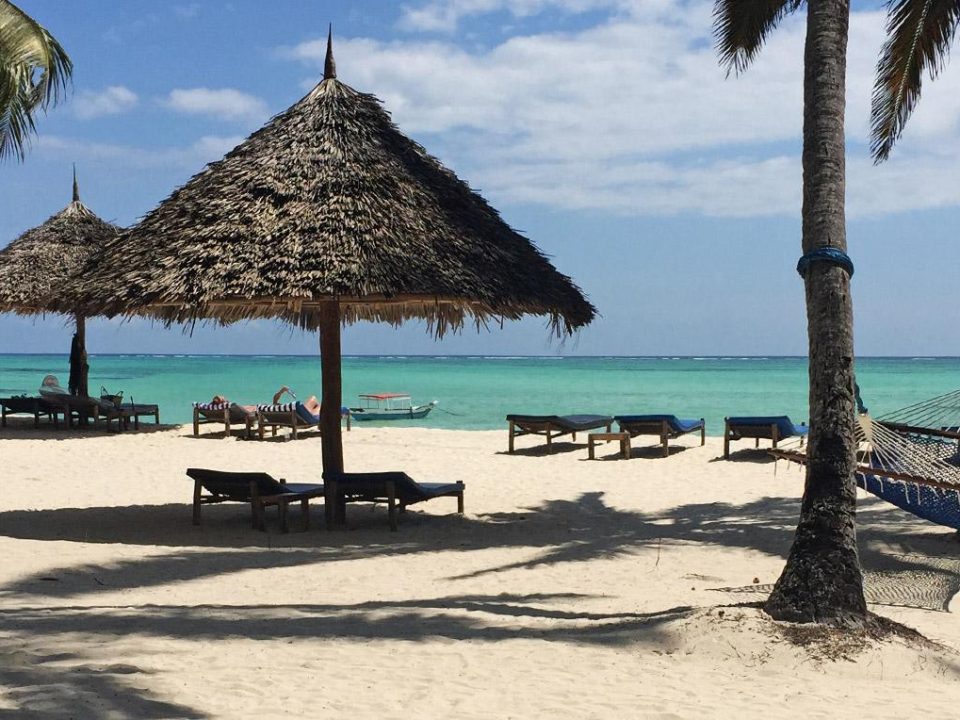
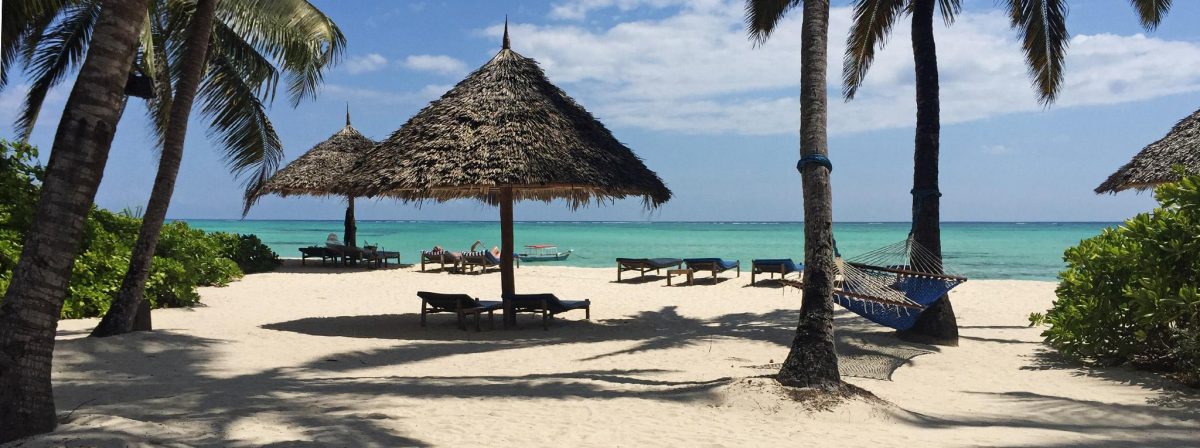
“After Ngorongoro relax on the beach — read our Zanzibar travel guide 2026.”
The Highlands Ngorongoro Asilia Africa’s stunning contemporary lodge on the crater rim — 8 spacious tent-suites with extraordinary crater views floor-to-ceiling glass walls and outstanding cuisine. The most modern and architecturally exciting lodge at the Ngorongoro Crater.
Price: $600–$1,200 per person per night all-inclusive
Ngorongoro Crater Lodge (Sanctuary) A beautifully positioned luxury lodge with stunning crater rim views excellent cuisine and warm service. Outstanding value relative to the ultra-luxury options.
Price: $400–$800 per person per night all-inclusive
Luxury ($300–$600 per person per night)
Ngorongoro Serena Safari Lodge Well-established luxury lodge beautifully integrated into the natural rock of the crater rim. Excellent food reliable service and one of the finest crater rim views in Tanzania.
Ngorongoro Sopa Lodge Comfortable spacious lodge with good facilities and excellent crater views. Popular with families and groups.
Mid-Range ($150–$300 per person per night)
Ngorongoro Wildlife Lodge Tanzania National Parks’ own lodge on the crater rim — good facilities excellent location and more accessible pricing. Often booked well in advance due to popularity.
Ngorongoro Farm House Charming colonial-style property on a working coffee farm near the crater — beautiful gardens excellent food and a unique historical atmosphere.
Ngorongoro Crater Costs
Entry and Activity Fees
| Fee | Cost |
|---|---|
| Conservation Area entry | $80 USD per person per day |
| Crater service fee | $295 USD per vehicle per trip |
| Camping fee (crater rim) | $50–$70 USD per person per night |
| Oldupai Gorge entry | $15 USD per person |
Note: The $295 crater service fee per vehicle per trip makes sharing a vehicle very cost-effective. Groups of 4–6 people in one vehicle divide this cost significantly.
Total Safari Costs
| Safari Level | Cost Per Person Per Day |
|---|---|
| Budget | $200–$350 |
| Mid-range | $350–$600 |
| Luxury | $600–$1,200 |
| Ultra-luxury | $800–$2,500+ |
Combining Ngorongoro Crater with Other Destinations
The Tanzania Northern Circuit (Most Popular)
The Ngorongoro Crater is the centrepiece of Tanzania’s Northern Circuit — the classic Tanzania safari route combining:
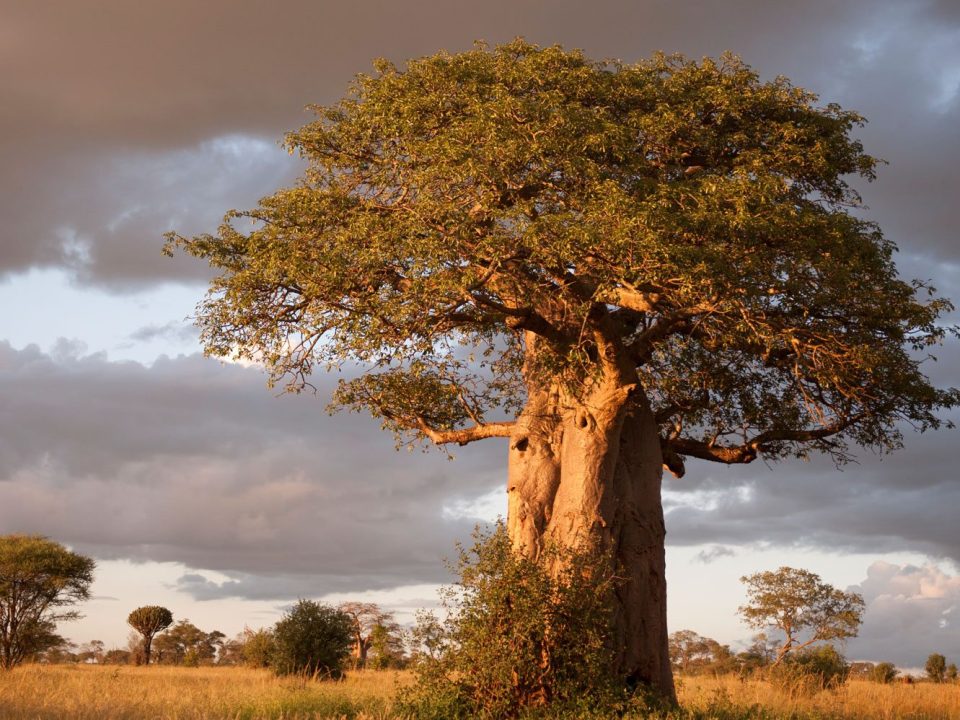
Tarangire National Park (elephants + baobabs) → Lake Manyara (tree-climbing lions + flamingos) → Serengeti National Park (Great Migration) → Ngorongoro Crater (Big Five + black rhinos)
This 7–10 day circuit is the most popular Tanzania safari itinerary and consistently delivers some of the greatest wildlife encounters in Africa. Read our Serengeti National Park complete guide for the Serengeti section.
“For the complete Tanzania Northern Circuit read our Tarangire National Park guide.”
Oldupai Gorge — The Cradle of Mankind
En route between the Ngorongoro Crater and the Serengeti lies Oldupai Gorge — one of the most important paleoanthropological sites on Earth. The Leakey family’s discoveries here in the 1950s and 1960s revolutionised our understanding of human evolution.
A stop at Oldupai takes 1–2 hours and includes a guided visit to the museum and gorge viewpoint with explanations of the key fossil discoveries. Highly recommended for any visitor with an interest in human origins — the context it provides for the African wilderness around you is extraordinary.
Entry fee: $15 USD per person
Combining with Rwanda Gorilla Trekking
One of the most extraordinary East Africa itineraries combines Rwanda gorilla trekking with the Ngorongoro Crater and Serengeti:
Days 1–3: Rwanda → Kigali + gorilla trekking Volcanoes National Park Day 4: Fly Kigali → Kilimanjaro via Nairobi Days 5–7: Serengeti National Park (Great Migration) Day 8: Ngorongoro Crater full day game drive Day 9: Arusha → depart (or continue to Zanzibar)
This combination — mountain gorillas and the Ngorongoro Crater — gives you two of Africa’s most extraordinary concentrated wildlife experiences in a single East Africa journey.
👉 Rwanda gorilla trekking guide 👉 Great Migration Serengeti guide 👉 Contact us to plan your combined safari
Getting to Ngorongoro
By Road from Arusha (3.5 hours)
The Ngorongoro Crater is 180 km from Arusha on a good tarmac road. The journey passes through the Maasai Steppe and climbs dramatically into the Crater Highlands — one of Tanzania’s most beautiful drives.
By Road from Serengeti (3 hours)
The Ngorongoro Crater is 140 km from the central Serengeti — approximately 3 hours by road. Most Tanzania Northern Circuit itineraries travel from the Serengeti to the crater finishing with a crater game drive before driving back to Arusha or flying to Kilimanjaro.
By Domestic Flight
While there is no airstrip on the Ngorongoro Crater rim itself the Manyara airstrip is approximately 1 hour from the crater. Fly into Manyara from Kilimanjaro or Arusha and transfer by road to the crater rim.
Important Rules for Ngorongoro Crater Visits
- All vehicles must leave the crater floor by 6:00pm — no exceptions
- No off-road driving on the crater floor — stay on designated tracks at all times
- No getting out of vehicles on the crater floor except at designated picnic sites
- No feeding wildlife — strict rule throughout the Conservation Area
- No drones — prohibited throughout the Ngorongoro Conservation Area
- Picnic sites: Two designated picnic sites on the crater floor — Ngoitokitok Springs and Lerai Forest
Book Your Ngorongoro Safari with Go Safaris Africa
Go Safaris Africa plans and operates Ngorongoro Crater safaris as part of complete Tanzania Northern Circuit itineraries or combined with Rwanda gorilla trekking for the ultimate East Africa wildlife experience.
- 👉 View Tanzania safari packages
- 👉 Serengeti National Park complete guide
- 👉 Kenya vs Tanzania safari comparison
- 👉 Contact us for a free Ngorongoro safari quote
📞 Call or WhatsApp: +250 788 365 595 📧 info@gosafarisafrica.com 🌐 www.gosafarisafrica.com
Frequently Asked Questions
What is the Ngorongoro Crater? The Ngorongoro Crater is the world’s largest intact volcanic caldera — a vast natural bowl 19 km across and 600 metres deep in northern Tanzania. It shelters a permanently resident population of approximately 25,000 animals including lions black rhinos elephants leopards buffalos and hippos. It is a UNESCO World Heritage Site and one of Africa’s seven natural wonders.
What wildlife will I see in the Ngorongoro Crater? All Big Five — lions black rhinos elephants leopards and buffalos. Also hippos zebras wildebeest cheetahs hyenas jackals flamingos and 500+ bird species. The Ngorongoro Crater offers the best chance of seeing all Big Five in a single day of any location in East Africa.
When is the best time to visit Ngorongoro Crater? Year-round — all animals are permanent residents. June–October and January–February offer the clearest conditions and best photography. The crater is never bad — choose based on your overall Tanzania itinerary.
How much does a Ngorongoro Crater safari cost? Conservation area entry costs $80 per person per day plus a $295 crater service fee per vehicle. Lodge accommodation costs $150–$2,000+ per person per night depending on level. See our complete cost guide above or contact us for a precise quote.
Can I see black rhinos in the Ngorongoro Crater? Yes — the Ngorongoro has one of East Africa’s best black rhino populations with approximately 25–30 individuals. Rhinos are solitary and elusive — tell your guide that rhino is a priority and they will focus on the best rhino areas. Early morning is best.
How long should I spend at Ngorongoro Crater? A minimum of one full day (dawn descent to 6:00pm ascent) is essential. Two days allows a more comprehensive wildlife search and a better chance of seeing black rhino and leopard. Many visitors wish they had booked more time.
Can I combine Ngorongoro Crater with Rwanda gorilla trekking? Absolutely — this is one of our most popular East Africa combinations. Fly Kigali to Kilimanjaro via Nairobi and combine gorillas in Rwanda with the Ngorongoro Crater and Serengeti in Tanzania. Contact us to plan your combined itinerary.
Which is better — Ngorongoro Crater or Serengeti? They are completely different and ideally visited together as part of the Tanzania Northern Circuit. The Ngorongoro Crater offers the most concentrated wildlife in a compact area — perfect for Big Five in a single day. The Serengeti offers scale wildness and the Great Migration. Most Tanzania itineraries include both. Read our Serengeti National Park complete guide.
Is Ngorongoro Crater safe? Yes — the Ngorongoro Crater is a well-managed and completely safe wildlife destination. All game drives are conducted in vehicles. No overnight stays are permitted on the crater floor.
Go Safaris Africa is a Kigali-based safari operator specialising in gorilla trekking wildlife safaris and tailor-made adventures across Rwanda Uganda Kenya and Tanzania. 📍 Prince House Second Floor Office #5 Kigali Rwanda 📞 +250 788 365 595 | 🌐 www.gosafarisafrica.com