


Kenya vs Tanzania safari — it is one of the most common questions we receive at Go Safaris Africa. Both countries are iconic East African safari destinations. Both offer extraordinary wildlife, dramatic landscapes, and world-class safari experiences. But they are very different destinations with different strengths, different price points, different park systems, and different overall safari vibes.
Choosing between a Kenya vs Tanzania safari depends entirely on what you are looking for — and this complete guide breaks down every factor so you can make the right decision for your specific interests, budget, and travel style.
Kenya vs Tanzania Safari: The Short Answer
Before diving into the details here is the quick summary:
Choose Kenya if:
- The Great Migration river crossings (July–October Maasai Mara) are your priority
- You want easier international access and shorter internal transfers
- You prefer a wider range of accommodation price points
- You want to combine safari with Nairobi city culture
- You want private conservancy experiences outside the main reserves
Choose Tanzania if:
- You want the largest and most pristine national parks in Africa
- The Serengeti year-round migration experience is your goal
- You want to combine safari with Zanzibar beach
- You prefer fewer tourists in the parks
- Ngorongoro Crater is on your bucket list
- You want the most diverse single-country safari circuit in Africa
“For the complete Tanzania destination guide read our Tanzania safaris page.”
Can’t decide? Do both. Many of our Go Safaris Africa clients — especially those combining with Rwanda gorilla trekking — spend 4–5 days in Kenya’s Maasai Mara and 4–5 days in Tanzania’s Serengeti and Ngorongoro on a single East Africa safari itinerary.
Kenya & Tanzania Safari: The Great Migration
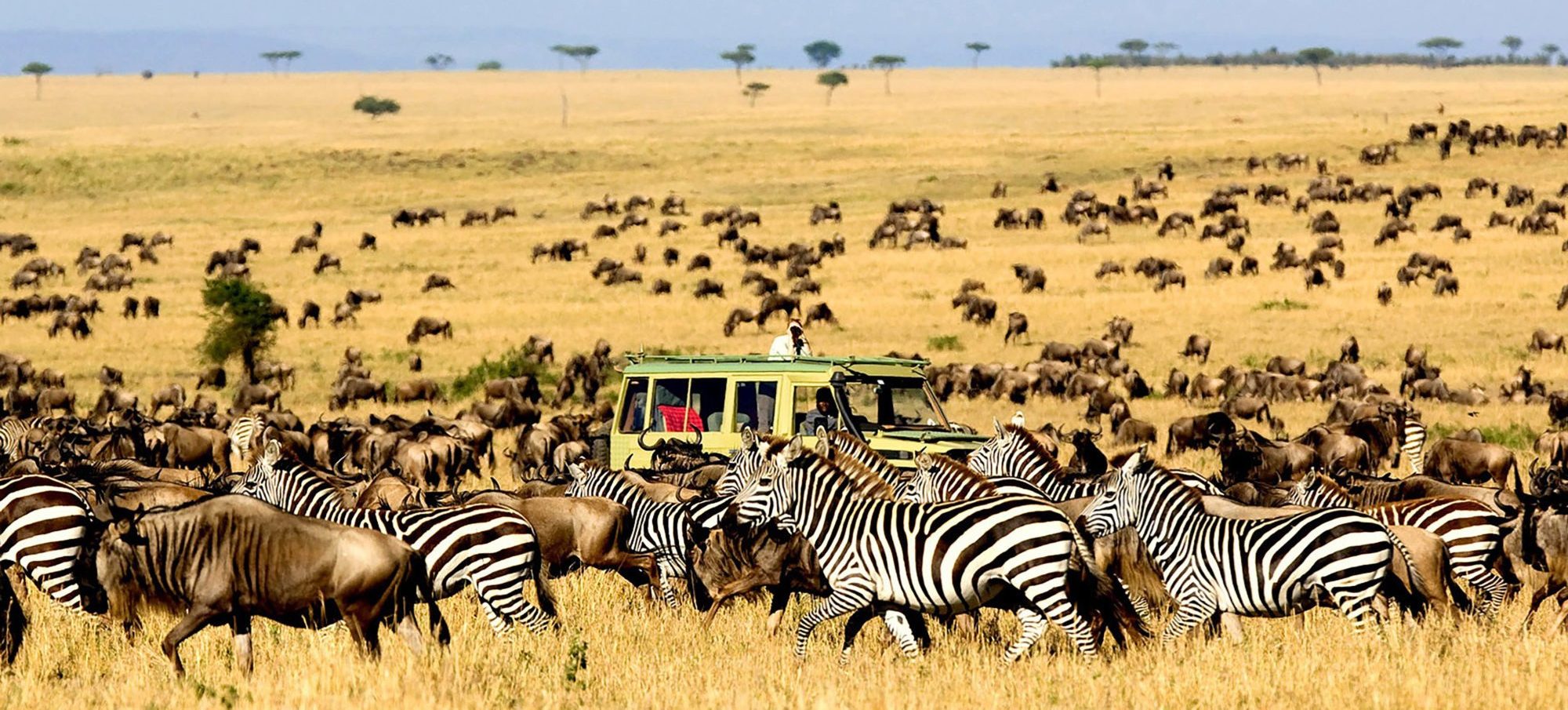
The Great Migration is the defining wildlife spectacle of East Africa and the primary reason most international visitors choose Kenya vs Tanzania safari. Understanding how the migration moves between both countries is essential for planning.
Read our complete Great Migration Serengeti 2026 guide for the full month-by-month breakdown. Here is the Kenya vs Tanzania safari migration summary:
Tanzania — The Migration’s Home (January–June and November–December)
The wildebeest spend the majority of the year — approximately 8–9 months — in Tanzania’s Serengeti National Park. Tanzania is where the migration is born, where it feeds, and where it returns.
January–February: Calving season in Ndutu and southern Serengeti — 500,000 calves born in 3 weeks. Extraordinary predator action. Fewer tourists than peak crossing season.
March–May: Massive herds moving north through central Serengeti. Beautiful green season. Lodge rates at their lowest.
June: Herds reach Grumeti River in western Serengeti — first dramatic river crossings of the year with enormous Nile crocodiles.
November–December: Return migration south through eastern Serengeti as short rains arrive.
“For the complete Serengeti guide read our Serengeti National Park visitor guide.”
Kenya — The Migration’s Drama (July–October)
The wildebeest reach Kenya’s Maasai Mara National Reserve between July and October — and this is when the famous Mara River crossings that have made the Great Migration world-famous take place.
July–October: Mara River crossings on the Kenya-Tanzania border. Thousands of wildebeest plunging into crocodile-filled water. The most dramatic wildlife spectacle on Earth.
Kenya vs Tanzania Safari Migration Verdict
For river crossings: Kenya wins July–October — the Mara crossings are more famous and more dramatic than the Grumeti crossings For year-round migration: Tanzania wins — the wildebeest spend more time in Tanzania than Kenya For calving season: Tanzania wins — Ndutu and southern Serengeti January–February For value: Tanzania wins in peak migration season — northern Serengeti camps are less crowded and often cheaper than Maasai Mara camps in August
“For the complete Maasai Mara guide read our Maasai Mara National Reserve visitor guide 2026.”
Kenya vs Tanzania Safaris: The National Parks
Kenya’s Best Safari Parks
Maasai Mara National Reserve Kenya’s most famous park and one of the world’s greatest wildlife destinations. The Mara ecosystem supports extraordinary concentrations of lions, leopards, cheetahs, elephants, buffalos, hippos, and the annual Great Migration. The Mara is at its most spectacular July–October but offers excellent wildlife year-round.
The Maasai Mara has a unique private conservancy system — areas of community-owned land surrounding the national reserve where exclusive camps operate with private game drives and no other vehicles. The conservancies offer the finest and most exclusive safari experience in Kenya.
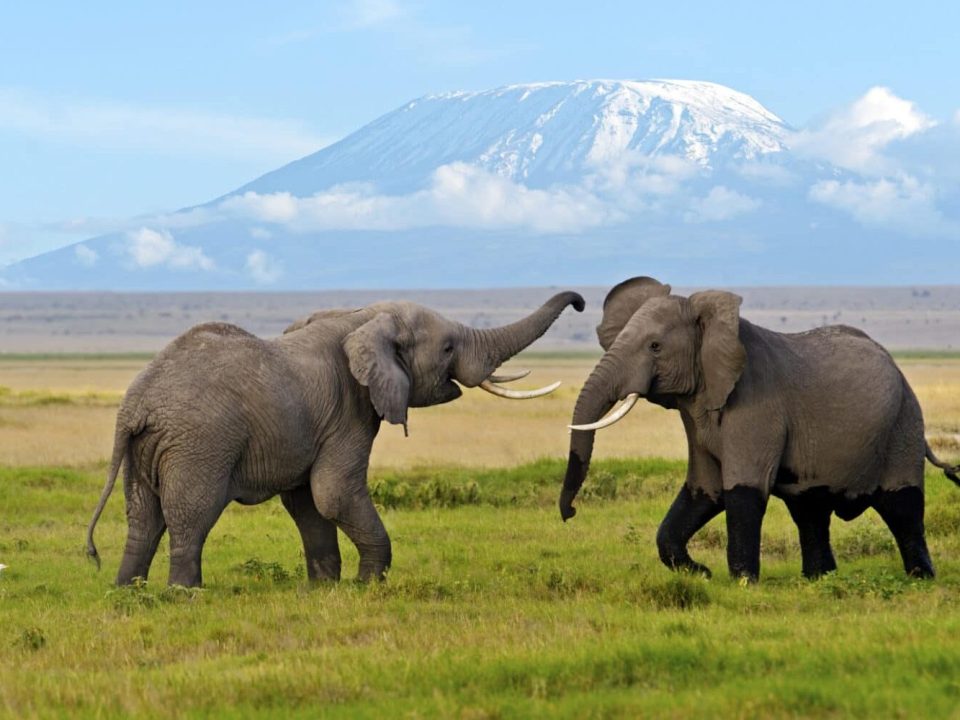
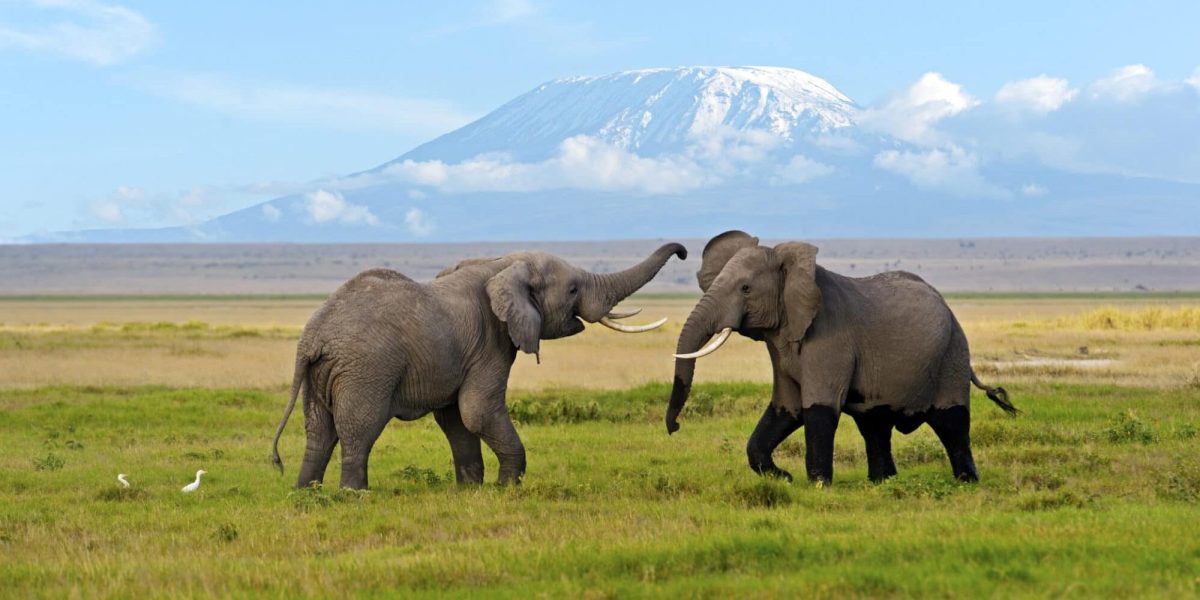
Amboseli National Park Dramatic park at the foot of Mount Kilimanjaro — the world’s largest free-standing mountain provides a spectacular backdrop for elephant photography. Amboseli has the largest elephant herds in Kenya and some of the best elephant viewing anywhere in Africa.
“For the complete Amboseli experience read our Amboseli National Park visitor guide.”
Samburu National Reserve Remote and wild northern Kenya reserve home to unique wildlife species not found in southern parks — Grevy’s zebra, reticulated giraffe, Beisa oryx, Somali ostrich, and the rare gerenuk antelope. Intimate lodges and extraordinary exclusivity.
Lake Nakuru National Park Famous for enormous flocks of flamingos on the alkaline lake shore and a significant black and white rhino population. Compact and easily combined with a Maasai Mara safari.
Laikipia Plateau Kenya’s most exciting wildlife conservation area — a vast private land area north of Mount Kenya with extraordinary wildlife including African wild dogs, Grevy’s zebras, reticulated giraffes, and large elephant herds. Exclusively managed by private conservancies.
Tsavo National Parks (East and West) Kenya’s largest national park ecosystem — vast, wild, and spectacularly scenic. Famous for the red-dusted Tsavo lions and large elephant herds. Less visited than the Mara making it one of Kenya’s most exclusive safari destinations.
Tanzania’s Best Safari Parks
Serengeti National Park Tanzania’s crown jewel and one of the world’s greatest national parks. Covering 14,763 km² of open savanna, woodland, and riverine forest the Serengeti supports the most diverse and abundant wildlife populations in Africa — over 2 million large animals including the 1.5 million wildebeest of the Great Migration.
The Serengeti is Tanzania’s answer to every Kenya vs Tanzania safari debate — simply the largest and most pristine savanna ecosystem remaining on Earth.
Ngorongoro Conservation Area The Ngorongoro Crater is one of the natural wonders of the world — the world’s largest intact volcanic caldera measuring 19 km across and 600 metres deep. The crater floor supports a self-contained ecosystem of approximately 25,000 animals including the highest density of lions in Africa and a significant black rhino population.
Staying on the crater rim in one of the lodges overlooking the caldera — particularly at dawn as mist fills the crater floor — is one of the most extraordinary experiences available anywhere in the world.
“For the complete Ngorongoro guide read our Ngorongoro Crater 2026 visitor guide.”
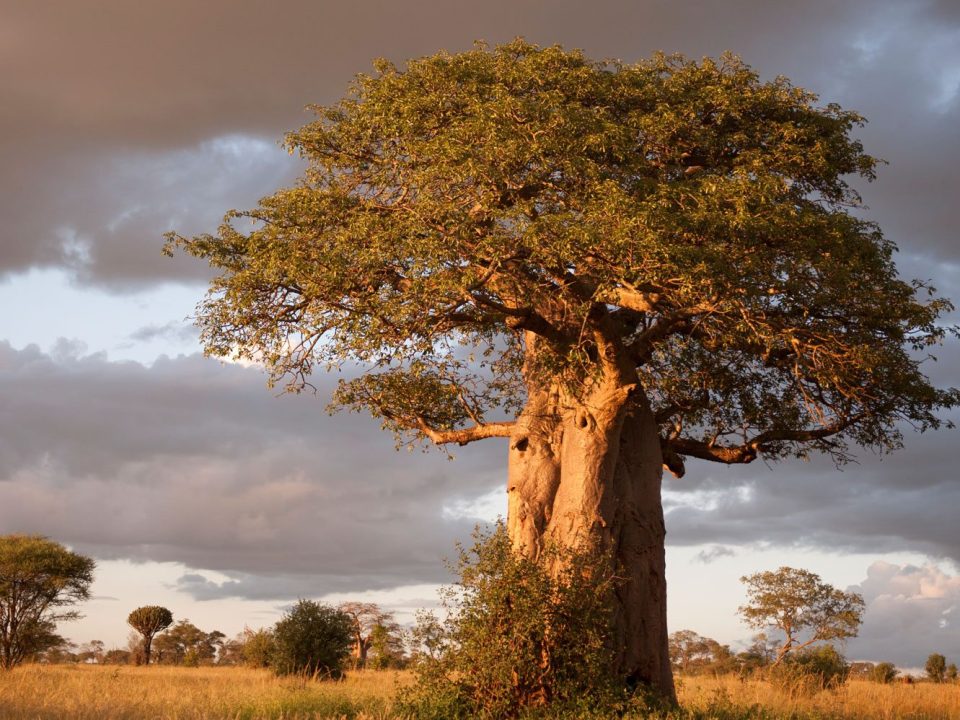
Tarangire National Park Tanzania’s most underrated major park — a beautiful landscape of giant baobab trees and seasonal swamps that attract enormous elephant herds during the dry season (June–October). Tarangire has some of the largest elephant concentrations in Tanzania and extraordinary tree-climbing lion populations.
“For Tanzania’s most underrated park read our Tarangire National Park complete guide.”
Lake Manyara National Park Compact and beautiful park at the base of the Great Rift Valley escarpment. Famous for tree-climbing lions, large hippo pods in the lake, and extraordinary birdlife — over 400 species. The flamingo flocks on the lake shore are spectacular.
Ruaha National Park Tanzania’s second largest national park and one of Africa’s best kept secrets. Ruaha is remote, wild, and extraordinarily pristine — offering the kind of exclusive safari experience that has almost disappeared from the more famous parks. Large lion prides, significant wild dog populations, and enormous elephant herds.
Selous/Nyerere National Park Africa’s largest protected area — a vast wilderness of rivers, lakes, and savanna in southern Tanzania. Famous for boat safaris on the Rufiji River, large hippopotamus and crocodile populations, and one of Africa’s largest wild dog populations.
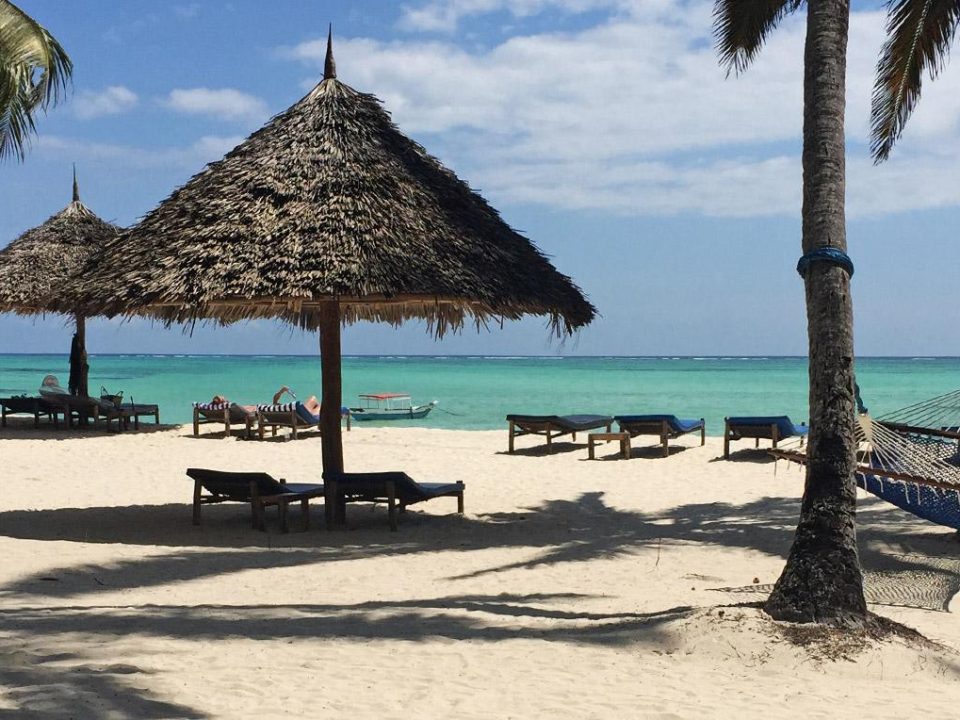
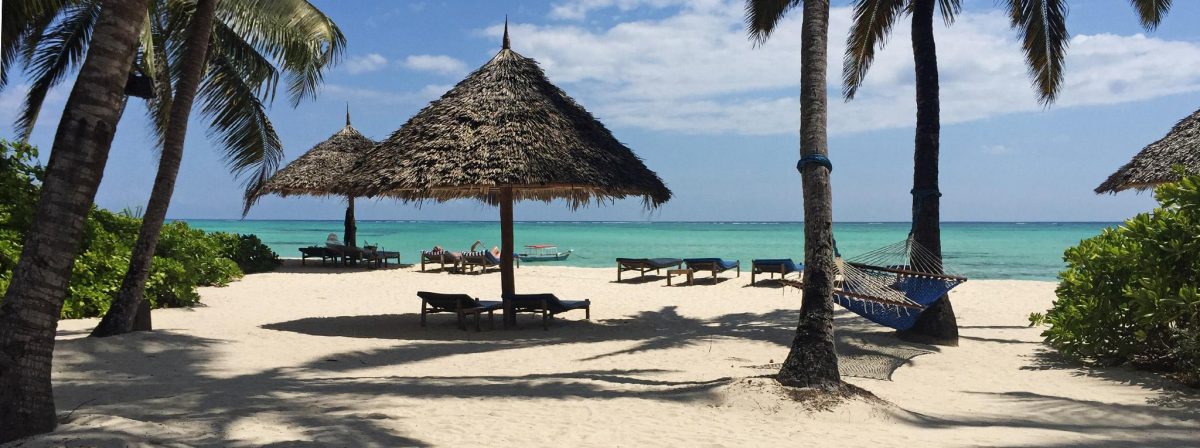
Zanzibar — Tanzania’s Beach Bonus Tanzania’s unique advantage in the Kenya vs Tanzania safari debate is the ability to combine safari with Zanzibar — one of the world’s most beautiful island destinations. White sand beaches, turquoise Indian Ocean water, UNESCO-listed Stone Town, and world-class resorts make Zanzibar the perfect safari finale.
“Add Zanzibar to your Tanzania itinerary — read our complete Zanzibar travel guide.”
Kenya vs Tanzania Safari: Wildlife Comparison
Both countries offer extraordinary wildlife but there are meaningful differences:
| Wildlife | Kenya | Tanzania |
|---|---|---|
| Lions | ✅ Excellent — Maasai Mara | ✅ Excellent — Serengeti, Ngorongoro |
| Leopards | ✅ Very good — Maasai Mara | ✅ Very good — Serengeti |
| Cheetahs | ✅ Best in Africa — Maasai Mara | ✅ Good — Serengeti |
| Elephants | ✅ Excellent — Amboseli, Tsavo | ✅ Excellent — Tarangire, Ruaha |
| Black rhinos | ✅ Good — Lake Nakuru, Lewa | ✅ Good — Ngorongoro |
| African wild dogs | ⭐ Rare | ✅ Good — Ruaha, Selous |
| Wildebeest migration | ✅ July–October Maasai Mara | ✅ Year-round Serengeti |
| Grevy’s zebra | ✅ Unique to Kenya — Samburu | ❌ Not found |
| Reticulated giraffe | ✅ Unique to Kenya — Samburu | ❌ Not found |
| Gerenuk | ✅ Kenya specialty | ❌ Not found |
| Flamingos | ✅ Lake Nakuru | ✅ Lake Manyara |
| Mountain gorillas | ❌ Not found | ❌ Not found |
| Chimpanzees | ❌ Not found | ✅ Gombe, Mahale |
| Shoebill stork | ❌ Rare | ⭐ Occasional |
For mountain gorillas and chimpanzees — neither Kenya nor Tanzania offers these experiences. For gorillas and chimps you need Rwanda or Uganda. Combine your Kenya vs Tanzania safari with Rwanda gorilla trekking for the complete East Africa experience. Read our gorilla trekking Rwanda vs Uganda guide and our complete Rwanda travel guide.
Kenya / Tanzania Safari: Costs
Cost is one of the most significant differences in the Kenya vs Tanzania safari comparison.
Kenya Safari Costs
Park fees:
- Maasai Mara National Reserve: $200 USD per person per day (peak season) / $100 (low season)
- Amboseli National Park: $90 USD per person per day
- Samburu National Reserve: $90 USD per person per day
- Nairobi National Park: $43 USD per person per day
Accommodation:
- Budget tented camp: $80–$150 per person per night
- Mid-range lodge: $200–$400 per person per night
- Luxury camp: $500–$1,500 per person per night
- Ultra-luxury conservancy camp: $1,000–$3,000+ per person per night
Hot air balloon safari: $450–$600 per person (Maasai Mara)
Overall Kenya safari cost: $200–$600 per person per day for a well-organised mid-range safari
Tanzania Safari Costs
Park fees:
- Serengeti National Park: $82 USD per person per day
- Ngorongoro Conservation Area: $80 USD per person per day + $295 crater fee per vehicle
- Tarangire National Park: $53 USD per person per day
- Lake Manyara National Park: $53 USD per person per day
Accommodation:
- Budget tented camp: $80–$180 per person per night
- Mid-range lodge: $200–$450 per person per night
- Luxury camp: $500–$1,200 per person per night
- Ultra-luxury mobile camp: $800–$2,500+ per person per night
Hot air balloon safari: $500–$700 per person (Serengeti)
Overall Tanzania safari cost: $200–$700 per person per day for a well-organised mid-range safari
Kenya / Tanzania Safari Cost Verdict
For budget safaris: Kenya is marginally cheaper — lower park fees in most parks and more budget accommodation options For luxury safaris: Tanzania edges ahead — the Serengeti’s exclusive mobile camps represent extraordinary value compared to similarly priced Kenya equivalents For overall value: Tanzania wins — lower park fees across most parks and more pristine wilderness for your money
Kenya vs Tanzania Safari: Crowds and Exclusivity
Crowds are an increasingly important factor in the Kenya vs Tanzania safari comparison — especially in peak season.
Kenya — Busier but Managing It
The Maasai Mara during peak migration season (July–October) can be crowded — particularly at the river crossings where dozens of vehicles can gather around popular crossing points. This is the reality of the world’s most famous wildlife spectacle.
However Kenya has responded brilliantly to this challenge through the private conservancy system. The conservancies surrounding the Maasai Mara — Olare Motorogi, Mara North, Naboisho, Ol Kinyei, and others — are vast areas of community-owned land where only a handful of exclusive camps operate. In the conservancies you have private game drives with no other vehicles. The wildlife is as good or better than the main reserve and the exclusivity is extraordinary.
For a Kenya safari without crowds book a conservancy camp. The additional cost is worth every dollar.
Tanzania — Generally Less Crowded
Tanzania’s parks are generally less crowded than Kenya’s equivalent parks — particularly in the southern circuit (Ruaha, Selous) where visitor numbers remain very low.
The northern Serengeti during peak crossing season (August–October) can get busy at the main crossing points but is still significantly less crowded than the Mara crossing points on the Kenya side.
For exclusivity and solitude: Tanzania wins overall — particularly the southern circuit
Kenya – Tanzania Safari: Accessibility
Kenya — Easy Access
Kenya’s main advantage in the Kenya vs Tanzania safari debate is accessibility:
International flights: Nairobi’s Jomo Kenyatta International Airport is one of Africa’s best-connected airports — direct flights from London, Amsterdam, Paris, Dubai, New York, and many other hubs.
Internal flights: Excellent domestic flight network connecting Nairobi with Wilson Airport for flights to Maasai Mara, Amboseli, Samburu, and all major parks.
Road infrastructure: Kenya’s roads connecting tourist areas are generally good. The drive from Nairobi to Maasai Mara (5–6 hours) is the most common safari road journey.
Tanzania — Slightly More Complex
Tanzania’s main international gateway is Kilimanjaro International Airport (JRO) near Arusha — the base for the northern circuit (Serengeti, Ngorongoro, Tarangire). Julius Nyerere International Airport (DAR) in Dar es Salaam serves the southern circuit.
Flying into Tanzania generally requires a connection through Nairobi, Addis Ababa, Dubai, or Amsterdam — slightly fewer direct options than Kenya.
Internal flights connect Arusha with all major northern circuit parks — Seronera (Serengeti), Grumeti, Kogatende, and Manyara airstrips.
Accessibility verdict: Kenya wins — easier international access and excellent internal connections
Kenya and Tanzania Safari: Best Combined Itineraries
Classic 10-Day Kenya and Tanzania Safari
Days 1–2: Arrive Nairobi → Amboseli National Park (Mount Kilimanjaro views + elephants) Days 3–5: Maasai Mara (game drives + hot air balloon) Day 6: Fly Maasai Mara → Kilimanjaro → Arusha Days 7–8: Serengeti National Park (game drives + migration) Day 9: Ngorongoro Crater (full day game drive) Day 10: Arusha → depart
Ultimate East Africa Safari — Rwanda + Kenya + Tanzania (14 Days)
Days 1–3: Kigali Rwanda → gorilla trekking Volcanoes National Park Day 4: Fly Kigali → Nairobi Days 5–7: Maasai Mara → river crossings (July–October) or game drives Day 8: Fly Maasai Mara → Kilimanjaro Days 9–11: Serengeti National Park Day 12: Ngorongoro Crater Days 13–14: Zanzibar beach → depart
This is the greatest East Africa safari itinerary available — gorillas in Rwanda followed by the best of Kenya and Tanzania. Contact Go Safaris Africa to plan your ultimate East Africa adventure.
Budget 7-Day Kenya Safari
Days 1–2: Arrive Nairobi → Lake Nakuru (flamingos + rhinos) Days 3–5: Maasai Mara (3 nights game drives) Day 6: Nairobi city tour Day 7: Depart Nairobi
Budget 7-Day Tanzania Northern Circuit
Day 1: Arrive Kilimanjaro → Arusha Day 2: Tarangire National Park (elephants + baobabs) Day 3: Lake Manyara (tree-climbing lions + flamingos) Days 4–6: Serengeti National Park (3 nights) Day 7: Ngorongoro Crater → Kilimanjaro → depart
Practical Information
Visa Requirements
Kenya:
- Most nationalities require an Electronic Travel Authorisation (ETA) — $30 USD — applied online before travel
- East African Tourist Visa ($100) covers Kenya, Uganda, and Rwanda — excellent value for combined safaris
Tanzania:
- Most nationalities require a Tanzania visa — $50 USD — available on arrival or as e-visa online
- Single entry tourist visa valid 90 days
Health Requirements
Both Kenya and Tanzania require:
- Yellow fever vaccination certificate for travellers arriving from yellow fever risk countries
- Antimalarial medication — strongly recommended for both countries
- Standard travel vaccinations — hepatitis A, typhoid, tetanus
Best Time to Visit
For river crossings (both countries): July–October For calving season (Tanzania): January–February For value and fewer crowds: April–May (long rains — lowest prices) For Zanzibar beach (Tanzania): June–October
Currency
Kenya: Kenyan Shilling (KES) — USD widely accepted in tourist areas Tanzania: Tanzanian Shilling (TZS) — USD widely accepted in tourist areas
Combining Kenya or Tanzania with Rwanda Gorilla Trekking
The most extraordinary East Africa safari combines Kenya or Tanzania wildlife with Rwanda gorilla trekking — two of the continent’s most iconic experiences in a single trip.
Rwanda + Kenya combination: Fly Kigali → Nairobi (1 hour — Kenya Airways or RwandAir daily). Seamless connection between gorilla trekking and Maasai Mara safari.
Rwanda + Tanzania combination: Fly Kigali → Kilimanjaro (via Nairobi — 3–4 hours total). Perfect combination of gorillas and Serengeti.
Essential reading for your East Africa planning:
- 👉 Rwanda gorilla trekking guide
- 👉 Rwanda gorilla permit booking guide
- 👉 Great Migration Serengeti 2026 guide
- 👉 Rwanda travel guide 2026
- 👉 Honeymoon safari East Africa guide
Book Your Kenya or Tanzania Safari with Go Safaris Africa
Go Safaris Africa plans and operates safari itineraries across Rwanda, Uganda, Kenya, and Tanzania. Our team combines local Kigali-based expertise with deep knowledge of the entire East Africa safari circuit.
Whether you are planning a Kenya only safari, a Tanzania circuit, or the ultimate combined East Africa adventure including Rwanda gorilla trekking we design every itinerary around your specific interests, budget, and travel dates.
- 👉 View all our safari tours
- 👉 Contact us for a free custom Kenya or Tanzania quote
- 👉 Combine with Rwanda gorilla trekking
- 👉 View our honeymoon safari packages
📞 Call or WhatsApp: +250 788 365 595 📧 info@gosafarisafrica.com 🌐 www.gosafarisafrica.com
Frequently Asked Questions
Is Kenya or Tanzania better for a safari? Both are extraordinary — Kenya is better for accessibility and Maasai Mara river crossings while Tanzania offers larger more pristine parks, better value, and Zanzibar beach. Read the full Kenya vs Tanzania safari comparison above or contact Go Safaris Africa for personalised advice.
Which is cheaper — Kenya or Tanzania safari? Tanzania has lower park fees across most parks making it marginally cheaper overall. Budget safaris are slightly more affordable in Kenya due to more budget accommodation options. Luxury safaris are comparable in price across both countries.
When is the best time for a Kenya vs Tanzania safari? July–October for Maasai Mara river crossings in Kenya. Year-round for Serengeti in Tanzania — with calving season (January–February) and river crossings (July–October) as the highlights. Read our Great Migration guide for the complete month-by-month breakdown.
Can I do both Kenya and Tanzania on one safari? Absolutely — a combined Kenya and Tanzania safari is one of our most popular itineraries. 10–14 days covers the best of both countries comfortably. Contact Go Safaris Africa for combined itinerary options.
Can I combine Kenya or Tanzania with Rwanda gorilla trekking? Yes — this is the ultimate East Africa safari. Fly Kigali to Nairobi (1 hour) or Kigali to Kilimanjaro (3–4 hours via Nairobi). Contact us to plan your combined itinerary.
Do Kenya and Tanzania have mountain gorillas? No — mountain gorillas are only found in Rwanda’s Volcanoes National Park, Uganda’s Bwindi Impenetrable Forest, and DRC. For gorilla trekking read our Rwanda gorilla permit guide.
Is it safe to safari in Kenya and Tanzania in 2026? Yes — both Kenya and Tanzania are well-established and safe tourism destinations welcoming millions of international visitors every year. Standard travel precautions apply. Check current government travel advisories before departure.
Do I need a visa for Kenya and Tanzania? Kenya requires an Electronic Travel Authorisation (ETA) — $30 USD online. Tanzania requires a visa — $50 USD on arrival or as e-visa. The East African Tourist Visa ($100) covers Kenya, Uganda, and Rwanda — useful if combining with Rwanda.
Go Safaris Africa is a Kigali-based safari operator specialising in gorilla trekking, wildlife safaris, and tailor-made adventures across Rwanda, Uganda, Kenya, and Tanzania. 📍 Prince House, Second Floor, Office #5, Kigali, Rwanda 📞 +250 788 365 595 | 🌐 www.gosafarisafrica.com