

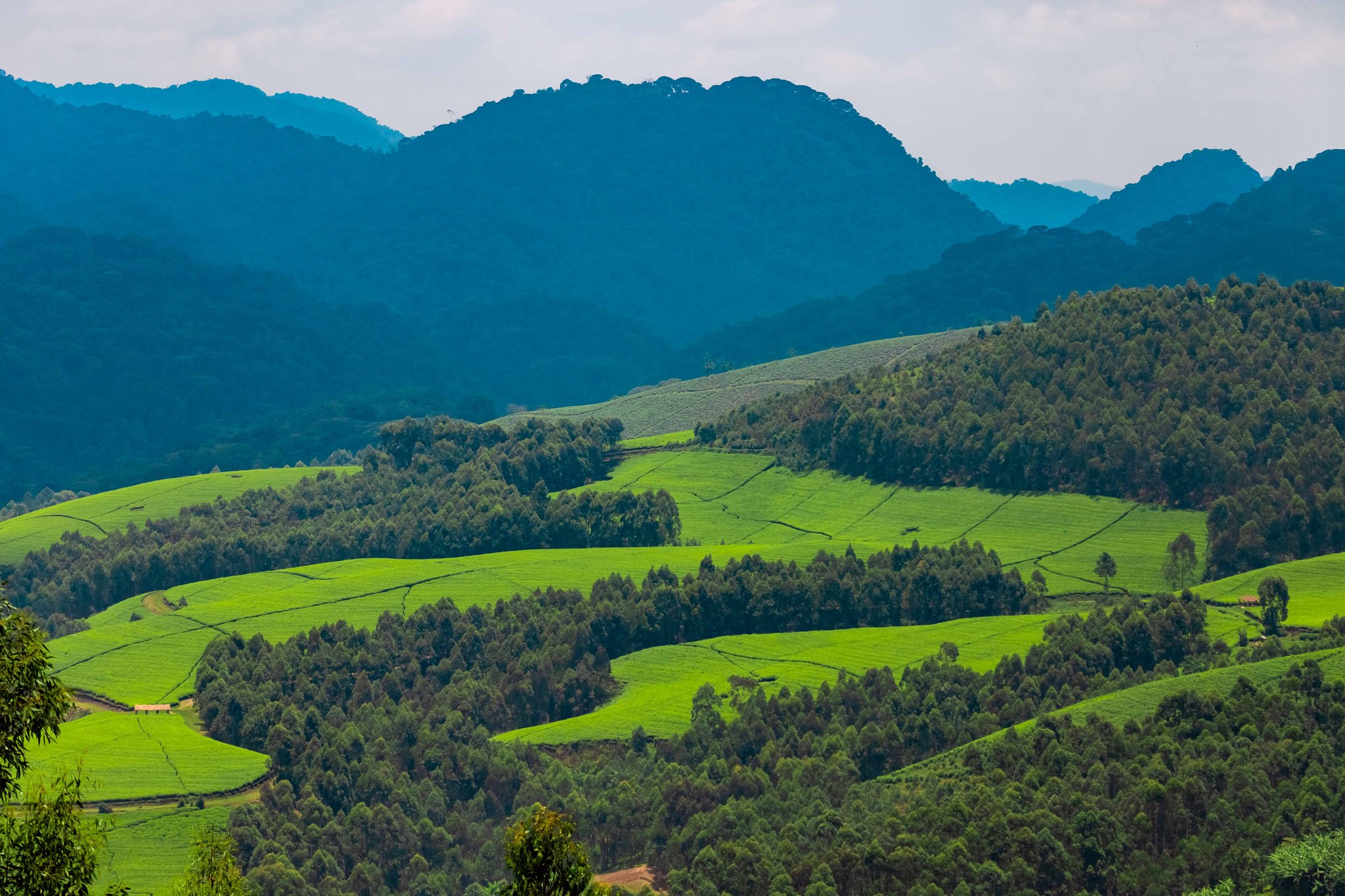
Rwanda Travel Guide: Rwanda stands as one of Africa’s most extraordinary and unexpected travel destinations. Known to the world primarily through the tragedy of the 1994 genocide, Rwanda has undergone one of the most remarkable national transformations in modern history — emerging as one of Africa’s safest, cleanest, most progressive, and most beautiful countries to visit.
This complete Rwanda travel guide covers everything you need to know before you go — visa requirements, safety, health, money, transport, best time to visit, top attractions, where to stay, what to eat, cultural etiquette, and the insider tips that make the difference between a good Rwanda trip and an extraordinary one.
Whether you are coming for gorilla trekking, wildlife safaris, cultural immersion, or simply to explore one of Africa’s most fascinating countries, this Rwanda travel guide has everything you need.
Rwanda at a Glance
| Official name | Republic of Rwanda |
| Capital | Kigali |
| Population | Approximately 14 million |
| Area | 26,338 km² — smaller than Belgium |
| Official languages | Kinyarwanda, English, French, Swahili |
| Currency | Rwandan Franc (RWF) |
| Time zone | CAT — Central Africa Time (UTC+2) |
| International dialling code | +250 |
| Electricity | 230V — European two-pin plugs |
| Main airport | Kigali International Airport (KGL) |
| President | Paul Kagame |
| Religion | Predominantly Christian |
| Known for | Mountain gorillas, conservation, cleanliness, safety |
Why Visit Rwanda in 2026
Rwanda offers international travellers something genuinely rare — a destination that surprises, moves, and inspires in equal measure. Here is why Rwanda belongs on your 2026 travel list:
Mountain gorillas — Rwanda is home to 12 habituated gorilla families in Volcanoes National Park. Gorilla trekking here is the greatest wildlife experience in Africa and one of the most extraordinary encounters available anywhere on Earth. Read our complete gorilla trekking Rwanda vs Uganda guide.
Extraordinary safety — Rwanda is consistently ranked the safest country in Africa and one of the safest in the world. Solo travellers, women travelling alone, and families all report feeling completely comfortable throughout the country.
Remarkable cleanliness — Rwanda has banned plastic bags and holds a national cleaning day (Umuganda) on the last Saturday of every month. Kigali is routinely ranked Africa’s cleanest city — a genuinely striking experience after most African capitals.
The conservation story — Rwanda has led Africa in wildlife conservation, forest restoration, and sustainable tourism. Visiting Rwanda means supporting one of the continent’s greatest environmental success stories. “For Rwanda’s extraordinary conservation achievements read our Rwanda conservation success story guide.”
The human story — Rwanda’s journey from the depths of the 1994 genocide to one of Africa’s most progressive and forward-looking nations is one of the most remarkable stories in modern history. Engaging with this story — at the Kigali Genocide Memorial, through conversations with Rwandans, and through the country’s extraordinary arts and culture scene — is a profoundly moving and educational experience.
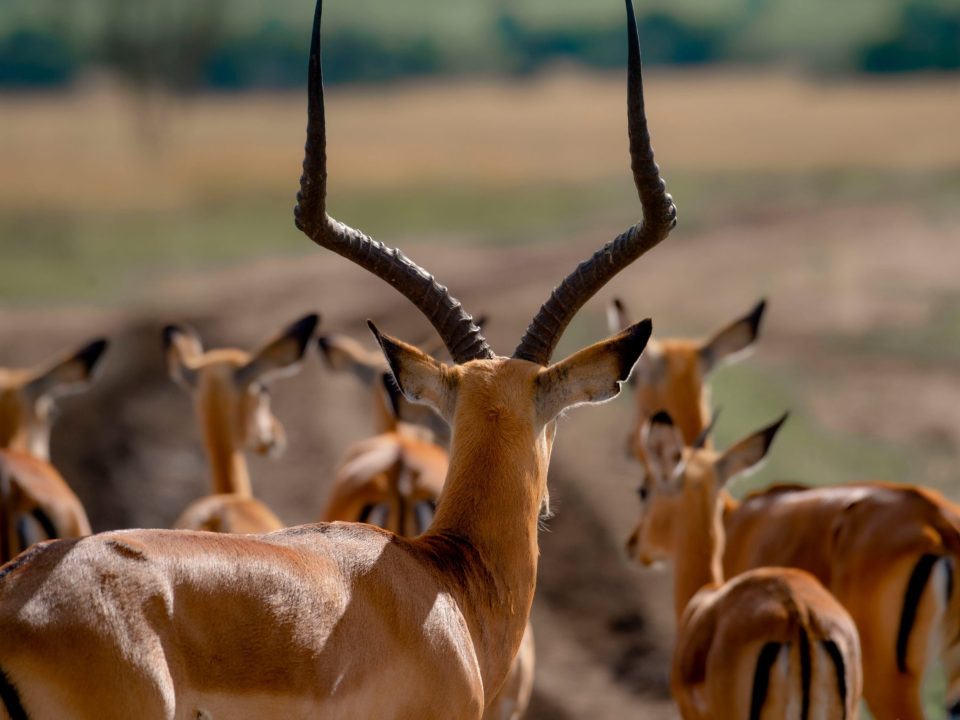
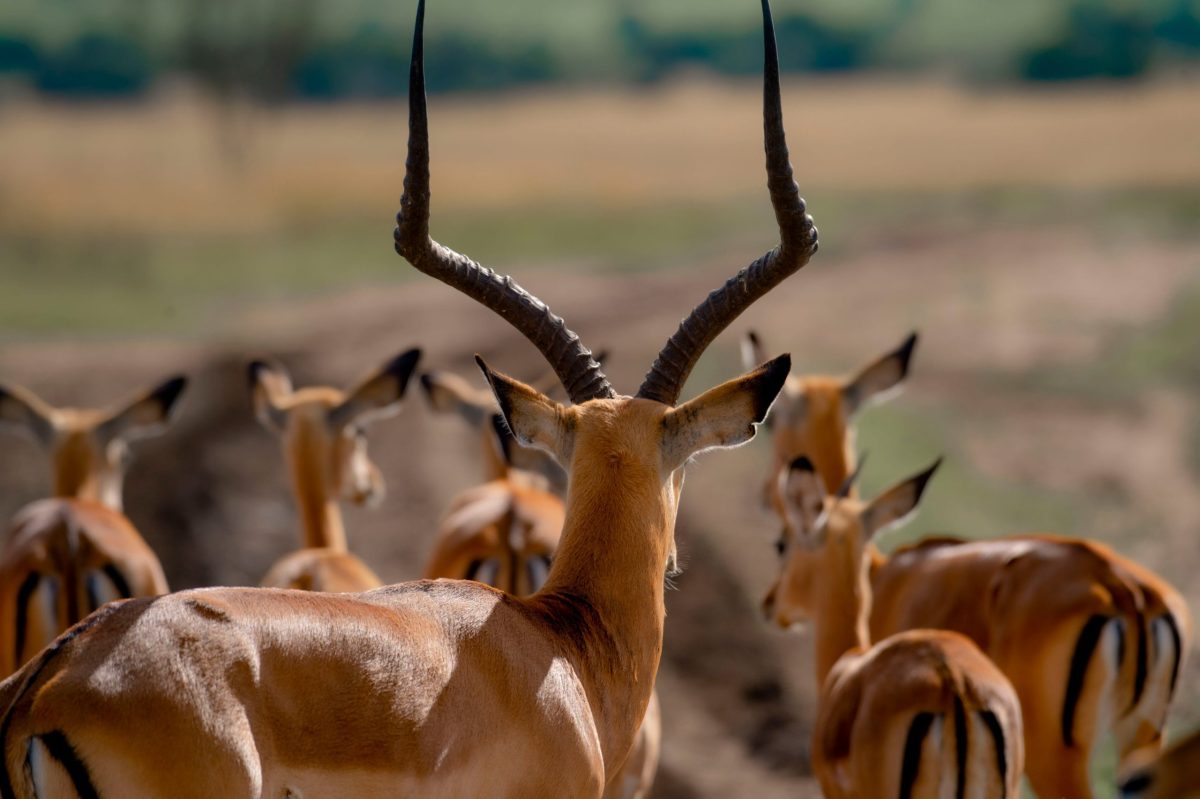
Extraordinary biodiversity — gorillas, golden monkeys, chimpanzees, colobus monkeys, Big Five wildlife, over 700 bird species, and some of Africa’s most dramatic landscapes all within a country smaller than Belgium.
“Visiting Rwanda alone? Read our solo gorilla trekking Rwanda guide for solo travel tips costs and itineraries.”
Rwanda travel guide: Rwanda Visa Information 2026
Who Needs a Visa?
Rwanda has one of Africa’s most open visa policies. Citizens of the following countries do NOT need a visa to enter Rwanda:
- All African Union member states
- Commonwealth countries (including UK, Australia, Canada, New Zealand, India, South Africa, and others)
- Several additional countries by bilateral agreement
E-Visa for Other Nationalities
Citizens of most other countries including the United States and European Union nations require a visa — available as an e-visa online through the Rwanda Directorate General of Immigration at irembo.gov.rw.
Rwanda e-visa details:
- Cost: $50 USD for a single entry tourist visa
- Processing time: 72 hours (3 business days)
- Validity: 30 days from entry
- Extension: Extendable inside Rwanda at the immigration office
Apply for your e-visa at least 2 weeks before travel to allow processing time and any corrections if needed.
East African Tourist Visa — Best Value for Multi-Country Travel
If your Rwanda travel itinerary includes Uganda and Kenya, the East African Tourist Visa is outstanding value:
- Cost: $100 USD — covers Rwanda, Uganda, and Kenya
- Entry: Multiple entries across all three countries
- Validity: 90 days
- Application: Through any of the three countries’ immigration portals
For most international travellers combining Rwanda gorilla trekking with Uganda or Kenya this is by far the best visa option. Read our gorilla trekking Rwanda vs Uganda guide for multi-country itinerary ideas.
Rwanda travel guide: Rwanda Safety Guide 2026
Rwanda is one of the safest countries in the world for international travellers — a statement that surprises many first-time visitors but is consistently confirmed by safety indices, traveller reports, and the experience of Go Safaris Africa clients who visit every month of the year.
Why Rwanda is So Safe
Strong governance and rule of law — Rwanda has invested heavily in law enforcement, community policing, and a culture of civic responsibility that makes crime genuinely rare.
Community watch systems — Rwanda operates an effective community-level security system where local leaders and communities actively maintain order and report problems.
Zero tolerance for corruption — Rwanda’s government has made fighting corruption a genuine priority. Tourists are almost never targeted by corrupt officials — a stark contrast to many African destinations.
Tight border security — Rwanda’s borders are well-controlled and the country has maintained political stability since the end of the genocide era.
Practical Safety Tips for Rwanda
- Kigali is extremely safe to walk — day and night in most areas
- Petty theft does occur in markets and busy areas — keep your phone and valuables secure
- Avoid walking alone very late at night in unfamiliar areas
- The border areas with DRC (western Rwanda) warrant more caution — check current travel advisories before visiting
- Rwanda’s roads are generally well-maintained — our driver-guides are experienced and safety-conscious
- Emergency number in Rwanda: 112
For Women Travelling Alone
Rwanda is one of Africa’s best destinations for solo female travellers. Harassment is rare, streets are safe, and Rwandan culture generally treats women with respect. Rwanda also has one of the world’s highest proportions of women in government — over 60% of parliamentary seats are held by women.
“Planning a family trip? Read our complete family safari Rwanda guide for teenagers.”
Best Time to Visit Rwanda: Rwanda travel guide
Rwanda can be visited year-round — the country sits just south of the equator and has a relatively mild highland climate throughout the year. However seasons significantly affect trail conditions, wildlife viewing, and value for money.
Long Dry Season — June to September ⭐⭐⭐⭐⭐
The best time to visit Rwanda for gorilla trekking and all outdoor activities. Dry trails, excellent photography conditions, and comfortable temperatures. Peak tourist season — book everything well in advance.
Short Dry Season — December to February ⭐⭐⭐⭐
Excellent conditions with better availability than peak season. January and February are particularly recommended — good weather, fewer tourists, and lower lodge rates. December (Christmas period) is popular — book early.
Long Rainy Season — March to May ⭐⭐⭐
Heavy daily rainfall makes trails muddier and more challenging. Beautiful lush scenery. Lodge rates drop significantly — best value of the year. Gorilla trekking still fully operational — gorillas are present year-round.
Short Rainy Season — October to November ⭐⭐⭐
Similar to March–May. October features Rwanda’s famous Kwita Izina gorilla naming ceremony. Lodge rates lower than peak season. Good for budget-conscious travellers.
For a complete month-by-month breakdown read our best time to visit Rwanda for gorilla trekking guide.
Getting to Rwanda
International Flights to Kigali
Kigali International Airport (KGL) is Rwanda’s only international airport and is exceptionally well-connected for an East African capital.
Direct or one-stop flights from:
- London: RwandAir direct (approximately 8.5 hours) and via other hubs
- Brussels: RwandAir direct
- Amsterdam: KLM via Nairobi
- Dubai: RwandAir and Emirates
- Nairobi: Kenya Airways, RwandAir (1 hour)
- Addis Ababa: Ethiopian Airlines (2 hours)
- Johannesburg: RwandAir, Kenya Airways (3 hours)
- Lagos: RwandAir
- New York: Via multiple hubs — approximately 14–16 hours total travel time
- Washington DC: Via multiple hubs
RwandAir is Rwanda’s national carrier and has expanded aggressively — now flying to over 25 destinations including London, Brussels, and several Chinese cities. The airline has a good safety record and comfortable aircraft.
Overland Entry to Rwanda
Rwanda shares borders with Uganda, DRC, Burundi, and Tanzania. The most commonly used overland border crossings for tourists are:
Gatuna/Katuna (Rwanda–Uganda) — most commonly used border for combined Rwanda-Uganda gorilla safaris. 2.5 hours from Kigali, 1.5 hours from Lake Bunyonyi. Open 24 hours.
Cyanika (Rwanda–Uganda) — border crossing near Musanze/Volcanoes National Park. Very convenient for travellers crossing between Volcanoes NP and Bwindi Impenetrable Forest. 10 km from Kinigi.
Rusumo (Rwanda–Tanzania) — southeastern border. Used by travellers combining Rwanda with Tanzania overland.
Rwanda travel guide: Getting Around Rwanda
Rwanda’s small size — just 26,338 km² — makes it one of Africa’s most manageable countries for self-drive or guided travel. All major tourist destinations are connected by well-maintained tarmac roads.
Private Safari Vehicle with Driver-Guide (Recommended)
For all safari activities the best and most comfortable option is a private 4×4 safari vehicle with an experienced driver-guide. Go Safaris Africa provides comfortable Toyota Land Cruisers and experienced guides for all Rwanda safari itineraries.
Key distances and drive times from Kigali:
- Volcanoes National Park (Musanze): 110 km — 2.5 hours
- Akagera National Park: 110 km — 2.5 hours
- Nyungwe Forest National Park: 225 km — 4 hours
- Lake Kivu (Gisenyi): 155 km — 3 hours
- Lake Kivu (Kibuye): 120 km — 2.5 hours
Public Transport in Rwanda
Rwanda has an extensive and affordable public transport network for budget travellers:
Matatus and coaches: Minibuses and coaches connect Kigali with all major towns. Efficient, cheap, and reasonably comfortable for shorter journeys.
Moto-taxis: Motorcycle taxis are ubiquitous throughout Rwanda. Cheap and fast for short urban journeys. Helmets are provided — wear them.
Car hire: Self-drive car hire is available in Kigali through several operators. A 4×4 is recommended for rural areas especially in rainy season.
Domestic Flights
Rwanda does not currently have scheduled domestic flights between cities — all domestic travel is by road. Charter flights can be arranged for special itineraries.
Rwanda travel guide: Rwanda Health Guide
Vaccinations Required and Recommended
Required:
- Yellow fever vaccination — mandatory for all travellers arriving from yellow fever risk countries. Carry your yellow card as proof.
Strongly recommended:
- Hepatitis A
- Typhoid
- Tetanus and diphtheria
- Meningitis
- Rabies (for longer stays or outdoor activities)
Consult your doctor or a travel health clinic at least 4–6 weeks before departure to allow time for vaccination courses.
Malaria in Rwanda
Rwanda is a malaria risk country — antimalarial medication is strongly recommended for all travellers. The most common antimalarial options are:
- Malarone (atovaquone/proguanil): Start 1–2 days before travel, take daily, stop 7 days after leaving. Fewest side effects. Most recommended for Rwanda.
- Doxycycline: Start 1–2 days before travel, take daily, stop 4 weeks after leaving. Cheaper than Malarone. May cause sun sensitivity.
- Lariam (mefloquine): Start 2–3 weeks before travel, take weekly. Can cause neurological side effects in some people.
Consult your doctor for the most appropriate option for you.
Additional Health Tips for Rwanda
Altitude: Kigali sits at 1,567 metres above sea level. Volcanoes National Park trailheads are at 2,400+ metres. Some travellers experience mild altitude effects — headaches and shortness of breath — especially during gorilla trekking. Stay hydrated and ascend gradually.
Water: Drink only bottled or treated water. Do not drink tap water. Bottled water is available everywhere in Rwanda.
Food safety: Rwanda has excellent food hygiene standards especially in tourist restaurants and lodges. Exercise normal caution with street food — stick to freshly cooked hot food.
Medical facilities: Kigali has good quality private hospitals — King Faisal Hospital and Legacy Clinics are the best options for international travellers. Outside Kigali medical facilities are limited. Comprehensive travel insurance with medical evacuation coverage is essential.
Gorilla trekking health rule: If you have a cold, flu, or any respiratory illness you cannot trek with gorillas. Gorillas share 98% of our DNA and are extremely vulnerable to human diseases. Do not trek if you are unwell — even if you have paid $1,500 for your permit.
Rwanda travel guide: Money and Costs in Rwanda
Currency
Rwanda uses the Rwandan Franc (RWF). As of 2026 approximate exchange rates are:
- $1 USD = approximately 1,400 RWF
- £1 GBP = approximately 1,750 RWF
- €1 EUR = approximately 1,500 RWF
US Dollars in Rwanda
US dollars are widely accepted throughout Rwanda for tourism-related payments — gorilla permits, lodge bills, safari packages, and tour operator fees are all commonly priced and paid in USD. Bring a supply of clean, undamaged USD bills (post-2006 bills preferred).
ATMs and Banking
ATMs are readily available in Kigali and in major towns including Musanze, Gisenyi, and Huye. Most accept Visa and Mastercard. Daily withdrawal limits typically apply — withdraw sufficient cash before heading to remote areas.
Bank of Kigali, Equity Bank, and I&M Bank all have reliable ATM networks. Inform your bank before travel to avoid cards being blocked for international transactions.
Credit Cards
Accepted at most mid-range and luxury hotels, lodges, and upmarket restaurants in Kigali. Less reliable in rural areas and budget establishments. Always carry USD cash as backup.
Tipping Culture in Rwanda
Tipping is expected and appreciated in Rwanda’s tourism sector:
| Suggested Tip | |
|---|---|
| Gorilla trek ranger guide | $20–$30 per trek |
| Porter | $10–$20 per trek |
| Safari driver-guide | $15–$20 per day |
| Lodge/hotel staff | $5–$10 per night |
| Restaurant waiter | 10% of bill |
| Airport porter | $1–$2 per bag |
Prepare tips in USD cash — small denomination bills ($1, $5, $10) are most useful.
Cost of Travel in Rwanda
Rwanda is not a budget destination — the $1,500 gorilla permit makes it one of the most expensive single wildlife experiences in the world. However outside of gorilla trekking Rwanda offers good value:
Budget traveller: $60–$100 per day (guesthouse, local restaurants, public transport) Mid-range traveller: $150–$300 per day (comfortable hotel, good restaurants, private transport) Luxury traveller: $400–$1,500+ per day (luxury lodge, private safari vehicle, fine dining)
Top Attractions in Rwanda
1. Gorilla Trekking — Volcanoes National Park
The undisputed highlight of any Rwanda travel itinerary. One hour with a wild mountain gorilla family in the ancient Virunga rainforest. Read our complete Volcanoes National Park guide and gorilla permit booking guide.
2. Kigali Genocide Memorial
One of Africa’s most important and moving cultural sites. The memorial honours the 800,000+ victims of the 1994 genocide and tells the full story of what happened and how Rwanda has rebuilt. Deeply sobering and ultimately hopeful. Entry is free — allow 2–3 hours.
3. Akagera National Park — Big Five Safari
Rwanda’s Big Five savanna park in the east of the country. Lions, black rhinos, elephants, leopards, buffalos, giraffes, zebras, and hundreds of bird species. One of Africa’s greatest conservation comeback stories. Read our 7-day Rwanda safari itinerary for how to combine Akagera with gorilla trekking.
“For the complete Akagera experience read our Akagera National Park complete guide.”
4. Nyungwe Forest National Park
Rwanda’s ancient montane rainforest in the southwest — home to chimpanzees, colobus monkeys, 13 primate species, and over 300 bird species. The spectacular canopy walkway — suspended 60 metres above the forest floor — is one of Rwanda’s most unique experiences.
“For Rwanda’s most ancient forest read our complete Nyungwe Forest National Park guide.”
5. Lake Kivu
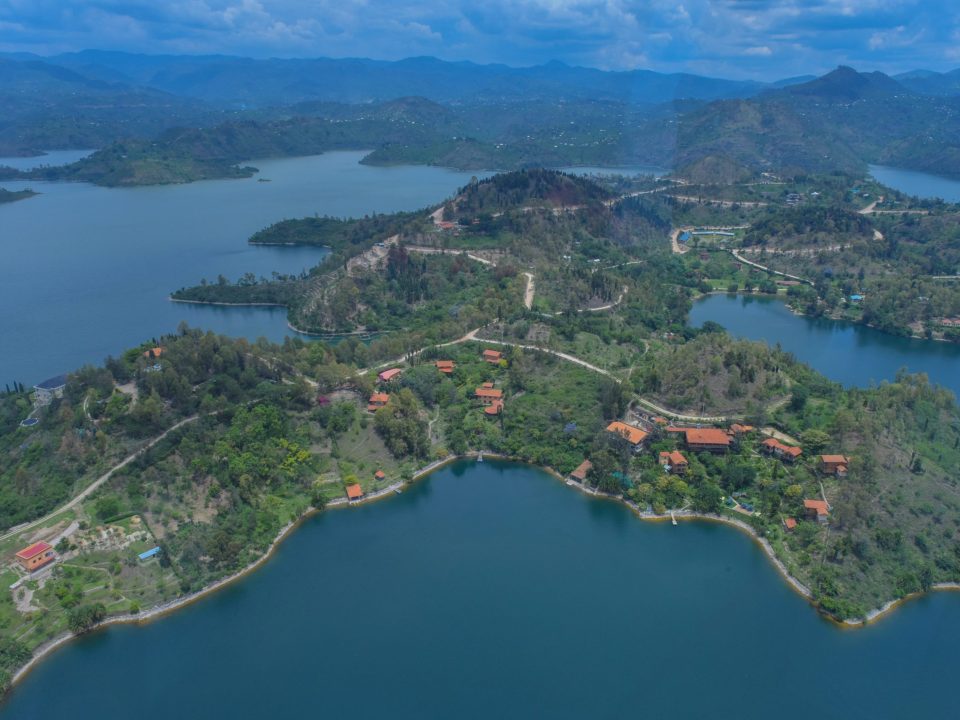
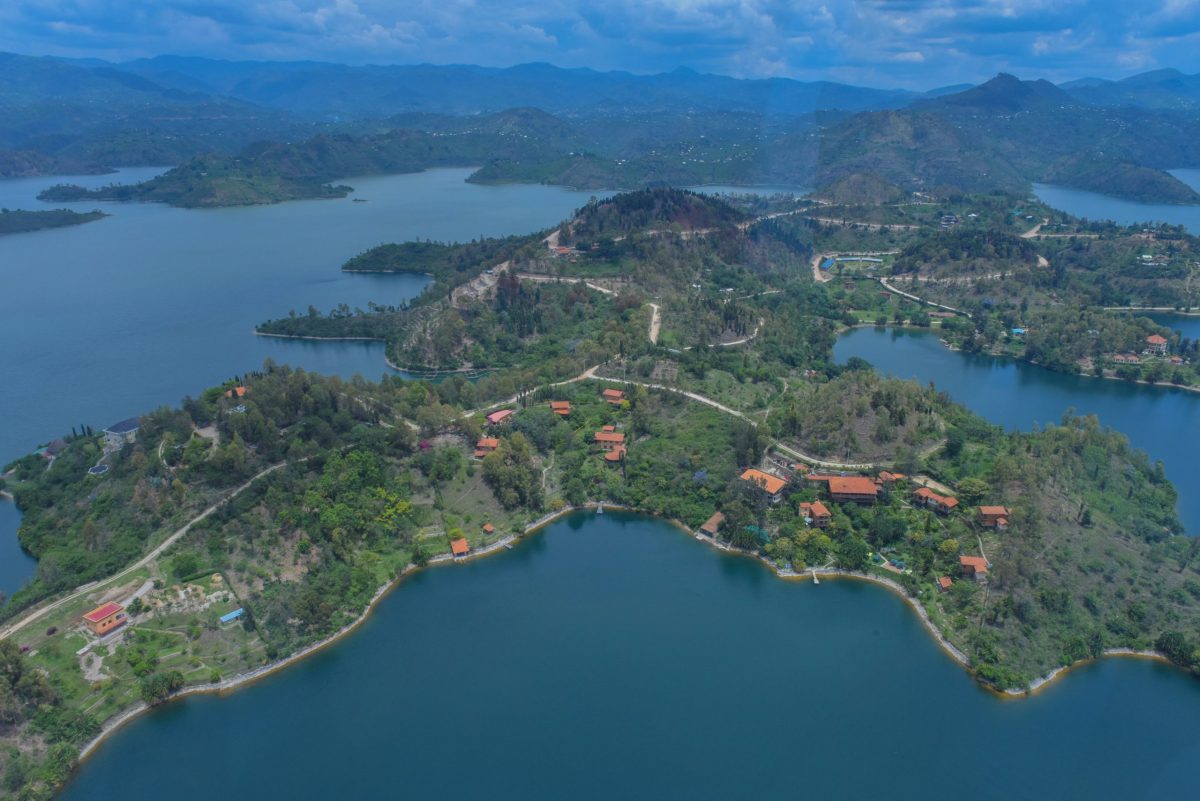
One of Africa’s Great Lakes sitting on the Rwanda-DRC border. Beautiful scenery, boat trips, island visits, excellent lakeside lodges, and fresh Nile perch dinners on the waterfront. The perfect Rwanda safari relaxation destination.
“For the complete Lake Kivu guide read our Lake Kivu Rwanda visitor guide 2026.”
6. Golden Monkey Trekking
A $100 permit buys you one extraordinary hour with a troop of critically endangered golden monkeys in the bamboo forest of Volcanoes National Park. One of Africa’s most joyful and underrated wildlife experiences.
7. Dian Fossey Tomb Hike
A 3–4 hour hike through Volcanoes National Park to the grave of the legendary gorilla researcher. Deeply moving and historically significant. The Dian Fossey Gorilla Fund’s museum in Musanze town is also excellent.
8. Kigali City Tour
Rwanda’s capital is one of Africa’s most rewarding cities to explore — the Genocide Memorial, Kimironko Market, Inema Arts Centre, Nyamirambo neighbourhood, Question Coffee specialty roastery, and a vibrant restaurant scene make Kigali a genuine destination in itself.
9. Iby’Iwacu Cultural Village
A community cultural experience near Volcanoes National Park where former poachers who now work in conservation demonstrate traditional Rwandan culture — dance, drumming, banana beer, medicinal plants, and community storytelling.
10. Mount Bisoke Volcano Hike
A challenging 6–8 hour round trip hike to the spectacular crater lake summit of Mount Bisoke (3,711m) in Volcanoes National Park. Stunning views into DRC and Uganda on clear days. Permit $75.
“Combining Rwanda with Kenya or Tanzania? Read our Kenya vs Tanzania safari guide to decide which to add to your itinerary.”
Where to Stay in Rwanda
Kigali
Budget ($30–$80/night): Discover Rwanda Youth Hostel, Auberge La Caverne, Hotel Chez Lando Mid-range ($80–$200/night): Hôtel des Mille Collines (the real Hotel Rwanda), Kigali Marriott, Park Inn by Radisson Luxury ($200–$500+/night): The Retreat, Radisson Blu, Kigali Serena Hotel
Volcanoes National Park Area
Budget ($60–$120/night): Villa Gorilla, Red Rocks Rwanda, Gorilla’s View Resort Mid-range ($150–$400/night): Mountain Gorilla View Lodge, Five Volcanoes Boutique Hotel, Gorillas Nest Lodge Luxury ($500–$1,500+/night): Singita Kwitonda, One&Only Gorilla’s Nest, Bisate Lodge, Sabyinyo Silverback Lodge
Lake Kivu
Budget ($40–$80/night): Lake Kivu Serena (budget rooms), local guesthouses in Gisenyi Mid-range ($80–$200/night): Cormoran Lodge, Lake Kivu Serena Hotel, Cheshire Homes Luxury ($200–$500+/night): Kivu Lake Retreat, Macuba Island Retreat
Akagera National Park
Mid-range ($120–$250/night): Karenge Bush Camp Luxury ($300–$700/night): Mantis Akagera Game Lodge, Ruzizi Tented Lodge
Rwandan Food and Drink
Traditional Rwandan Food
Rwandan cuisine is hearty, healthy, and plant-forward — built around the incredible agricultural abundance of this fertile highland country.
Ugali — stiff maize or cassava porridge. The staple starch served with almost every meal. Isombe — cassava leaves cooked with palm oil and spices. Rich, earthy, and delicious. Mizuzu — fried plantain bananas. Served as a side dish everywhere. Brochettes — grilled meat skewers. Rwanda’s most popular street food — beef, goat, and chicken varieties. Matoke — green bananas cooked in a stew. Common in western Rwanda. Ibirayi — sweet potatoes. A Rwanda staple. Inyama — grilled meat — a weekend and celebration centrepiece.
Rwandan Drinks
Primus — Rwanda’s most popular beer. Light lager brewed locally. Served everywhere. Mutzig — premium Rwandan lager. Slightly stronger than Primus. Banana beer (Urwagwa) — traditional fermented banana beer. Acquired taste but culturally significant. Inyange Juice — locally produced fruit juices — passion fruit, mango, and pineapple. Rwanda specialty coffee — Rwanda produces some of Africa’s finest single-origin coffee. Question Coffee in Kigali is the best place to taste and buy Rwandan specialty coffee. Rwanda’s coffee is internationally award-winning. Rwanda tea — the misty hillsides of western Rwanda produce excellent quality tea. Try it at source in Nyungwe or buy at Kimironko Market.
Best Restaurants in Kigali
Repub Lounge — the best Rwandan cuisine in Kigali. Rooftop terrace, excellent cocktails, traditional dishes with a modern twist. Heaven Restaurant — international and Rwandan menu with spectacular city views. Supports local community development. Question Coffee — Rwanda’s finest specialty coffee and excellent breakfast. Fusion Restaurant — excellent international cuisine in a beautiful garden setting. Khana Khazana — Kigali’s best Indian restaurant. Popular with expats and tourists. Poivre Noir — fine dining French-influenced cuisine. Kigali’s most elegant restaurant.
Rwanda Cultural Etiquette
Understanding Rwandan culture and etiquette makes your visit richer and more respectful. Here are the most important things to know:
Umuganda — on the last Saturday of every month Rwanda holds a national community work day from 8am–11am. Businesses close, streets are quiet, and communities work together on public projects. As a visitor you are not required to participate but should be respectful — plan arrivals and transfers around this day.
Agaciro — this Kinyarwanda concept translates roughly as dignity and self-worth. Rwandans are proud and dignified people. Behave respectfully, dress modestly, and engage with Rwandans as equals.
Photography etiquette — always ask permission before photographing people. Rwandans generally appreciate being asked and are often happy to pose — but snapping photos without asking is considered rude.
Plastic bag ban — Rwanda has completely banned single-use plastic bags since 2008. Do not bring plastic bags into the country — they will be confiscated at the airport. Use cloth or paper bags instead.
Dress code — Rwanda is a relatively conservative country. In cities and villages dress modestly — covered shoulders and knees are appreciated. At safari lodges and national parks practical safari clothing is perfectly appropriate.
Greeting culture — Rwandans greet each other warmly. A handshake is the standard greeting. In rural areas and with elders a slight bow while shaking hands shows additional respect. Learning a few words of Kinyarwanda is always warmly appreciated:
- Muraho — Hello
- Amakuru? — How are you?
- Ni meza — I am fine
- Murakoze — Thank you
- Yego — Yes
- Oya — No
The genocide — Rwanda’s genocide is a sensitive and serious topic. Engage with it respectfully — visit the Kigali Genocide Memorial, listen, and learn. Do not make light of this history or ask insensitive questions.
Rwanda travel guide: Practical Information
Internet and Mobile Connectivity
Rwanda has excellent mobile network coverage across the country — 4G LTE is available in Kigali and all major towns. Coverage in remote areas near Volcanoes National Park and Nyungwe can be patchy.
Best SIM cards: MTN Rwanda and Airtel Rwanda both offer excellent prepaid SIM cards available at Kigali airport and throughout the country. A SIM card with data costs approximately $5–$10.
Wi-Fi: Available at most hotels, lodges, and restaurants in Kigali. Less reliable at remote safari lodges — many lodges deliberately limit Wi-Fi to encourage disconnection.
Electricity
Rwanda travel guide; Rwanda uses 230V 50Hz electricity with European two-pin (Type C) plugs. Bring a universal travel adaptor. Power cuts are rare in Kigali but more common in rural areas — most lodges have backup generators.
Shopping in Rwanda
Kimironko Market — Kigali’s best local market for fresh produce, fabrics, crafts, and local life. Bargaining is expected. Caplaki Craft Village — the best one-stop shop for Rwandan crafts, wooden carvings, woven baskets, jewellery, and souvenirs. Fixed prices — no bargaining needed. Inema Arts Centre — original contemporary artwork by Rwandan artists. Meaningful and beautiful souvenirs.
Best Rwanda souvenirs:
- Imigongo art — unique Rwanda geometric art made from cow dung and clay. Striking and completely unique to Rwanda.
- Woven baskets — Rwanda’s intricate coiled baskets are world-famous and UNESCO-recognised crafts.
- Coffee and tea — Rwanda specialty coffee and tea make excellent gifts.
- Gorilla carvings — wooden gorilla sculptures in all sizes.
Rwanda Emergency Contacts: Rwanda travel guide
- Police: 112
- Ambulance: 912
- Fire: 111
- Rwanda Tourism Hotline: +250 788 177 000
Planning Your Rwanda Trip with Go Safaris Africa
Go Safaris Africa is a Kigali-based safari operator with intimate knowledge of every corner of Rwanda. We plan Rwanda trips of every kind — gorilla trekking safaris, wildlife adventures, cultural tours, honeymoon itineraries, family holidays, and bespoke tailor-made journeys.
Our team lives in Rwanda. We know the country, the parks, the lodges, the roads, the seasons, and the gorilla families personally. When you plan your Rwanda trip with us you get genuinely local expertise combined with the highest standards of service.
Our most popular Rwanda packages:
- 👉 1-Day Gorilla Trek Rwanda — from $1,650
- 👉 3-Day Rwanda Safari — from $2,850
- 👉 7-Day Rwanda Complete Safari
- 👉 Honeymoon Safari East Africa
- 👉 View all Rwanda safari packages
Essential reading for Rwanda visitors:
- 👉 Rwanda gorilla permit booking guide
- 👉 Gorilla trekking cost guide 2026
- 👉 Best time to visit Rwanda
- 👉 What to pack for gorilla trekking
- 👉 Volcanoes National Park complete guide
📞 Call or WhatsApp: +250 788 365 595 📧 info@gosafarisafrica.com 🌐 www.gosafarisafrica.com
Frequently Asked Questions: Rwanda travel guide
Is Rwanda safe to visit in 2026? Yes — Rwanda is consistently ranked one of the safest countries in Africa and one of the safest in the world. Kigali is one of Africa’s safest capital cities. Solo travellers, women, and families all report feeling completely safe throughout Rwanda.
Do I need a visa for Rwanda? Citizens of African Union and Commonwealth countries do not need a visa. Most other nationalities need an e-visa ($50 USD) available at irembo.gov.rw. The East African Tourist Visa ($100) covers Rwanda, Uganda, and Kenya.
What is the best time to visit Rwanda? June–September (long dry season) and December–February (short dry season) are best for gorilla trekking and wildlife. For a complete seasonal guide read our best time to visit Rwanda guide.
How much does a Rwanda safari cost? Gorilla trekking permits cost $1,500 per person. Complete 3-day Rwanda safari packages start from approximately $2,450 per person. Read our complete gorilla trekking cost guide for a full breakdown.
What language do they speak in Rwanda? Rwanda has four official languages — Kinyarwanda (spoken by all Rwandans), English, French, and Swahili. English is widely spoken in Kigali and in the tourism industry throughout the country.
Can I use US dollars in Rwanda? Yes — US dollars are widely accepted for tourism-related payments throughout Rwanda. Rwandan Francs are used for local purchases. ATMs dispense Rwandan Francs.
What vaccinations do I need for Rwanda? Yellow fever vaccination is required. Hepatitis A, typhoid, and tetanus are strongly recommended. Antimalarial medication is essential. Consult your doctor 4–6 weeks before travel.
How do I get from Kigali to Volcanoes National Park? Volcanoes National Park is 110 km from Kigali — approximately 2.5 hours by road. Go Safaris Africa provides comfortable 4×4 transfers as part of all Rwanda safari packages.
Go Safaris Africa is a Kigali-based safari operator specialising in gorilla trekking, wildlife safaris, and tailor-made adventures across Rwanda, Uganda, Kenya, and Tanzania. 📍 Prince House, Second Floor, Office #5, Kigali, Rwanda 📞 +250 788 365 595 | 🌐 www.gosafarisafrica.com