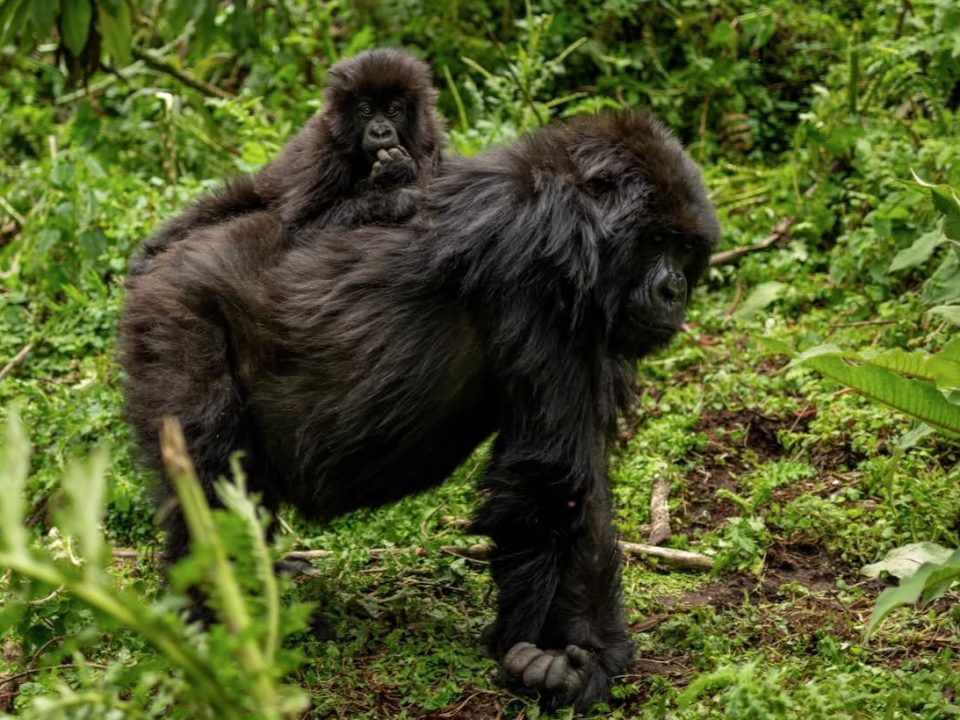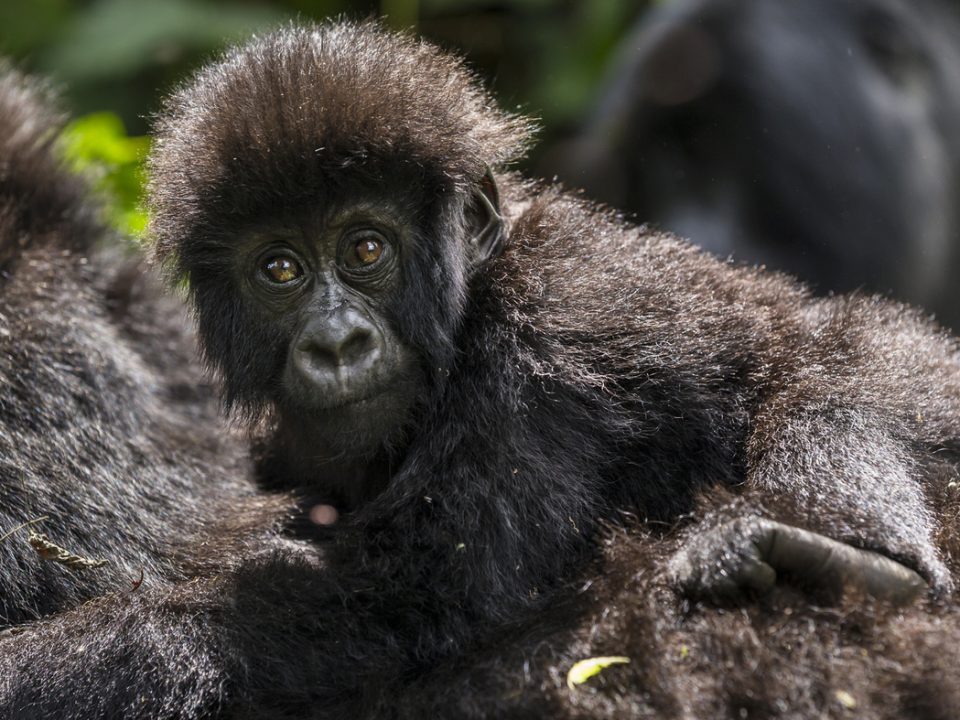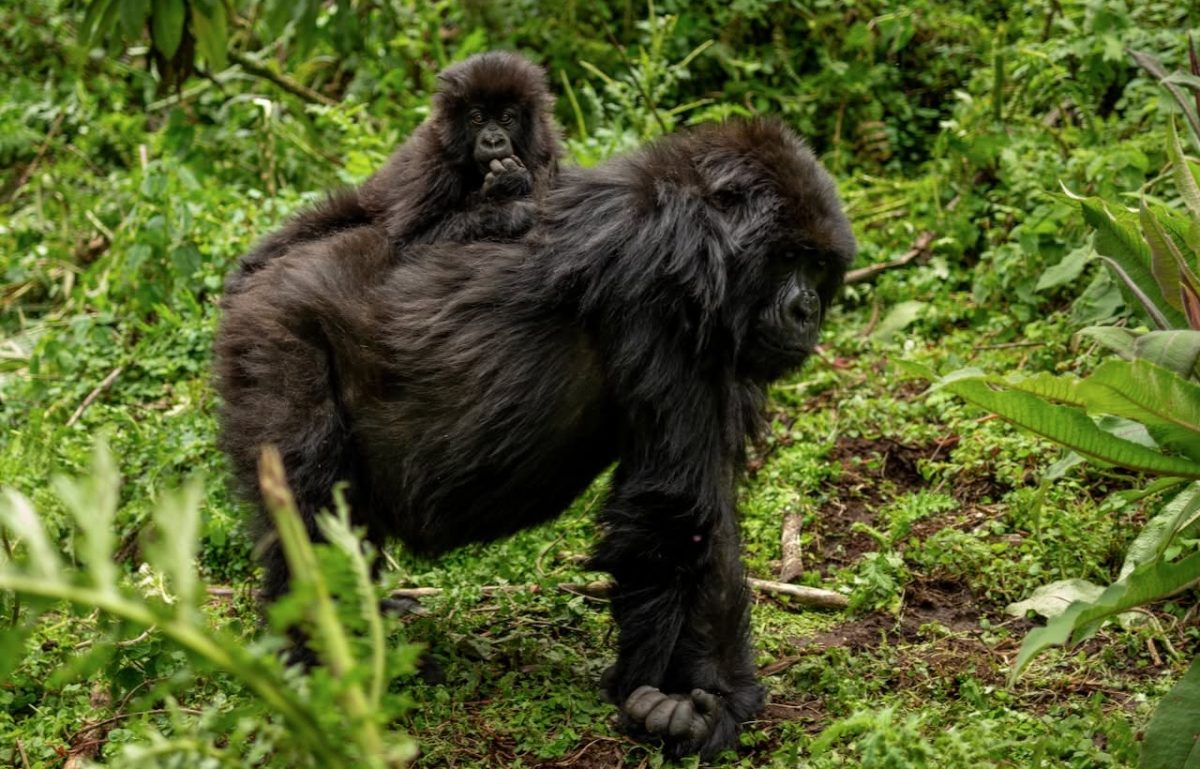

Knowing what to pack for gorilla trekking can make the difference between a comfortable, enjoyable experience and a miserable, exhausting one. The right gear protects you from nettles, insects, rain, and steep terrain — and lets you focus entirely on the extraordinary moment when you come face to face with a mountain gorilla family.
This complete packing checklist covers everything you need to pack for gorilla trekking in Rwanda or Uganda in 2026 — clothing, footwear, camera gear, health essentials, and the things most people forget.
“For the complete first-timer overview read our first African safari complete guide.”
The Golden Rules Before You Pack
Before we get into the full list of what to pack for gorilla trekking, three rules to keep in mind:
Rule 1 — Travel light. You will be hiking uphill through dense forest for 2–8 hours. Every extra kilogram in your pack costs you energy. Pack only what you genuinely need.
Rule 2 — Hire a porter. At just $15–$20 a porter carries your bag the entire trek and helps you on steep or slippery sections. If you hire a porter — and we strongly recommend you do — your daypack can be minimal. Read more about our gorilla trekking packages which include porter options.
Rule 3 — Cover up completely. Long sleeves and long trousers are not optional — they are essential. The forest is full of stinging nettles, thorns, biting insects, and safari ants. Exposed skin will suffer. Full coverage protects you and also shows respect for the gorillas by minimising your scent profile.
“For photographers planning their kit read our complete East Africa photography safari guide.”
The Complete Gorilla Trekking Packing Checklist
👟 Footwear — The Most Important Item
Waterproof hiking boots with ankle support This is the single most important item to pack for gorilla trekking. You will be walking on steep, uneven, often muddy volcanic terrain. Ankle support prevents sprains on unstable ground. Waterproofing keeps your feet dry when trails are wet.
Your boots must be:
- Already broken in — never wear new boots on a gorilla trek
- Ankle height or above
- Waterproof — Gore-Tex or similar
- With a firm, grippy sole
Thick hiking socks (2–3 pairs) Wool or synthetic — never cotton. Wool regulates temperature and stays comfortable even when damp.
Camp sandals or flip flops For relaxing at your lodge after the trek. Your feet will thank you.
👕 Clothing — Cover Every Inch of Skin
Long-sleeved shirt (2–3) Lightweight, breathable, and neutral coloured — khaki, green, brown, or grey. Avoid bright colours and especially avoid blue — blue attracts tsetse flies. Long sleeves protect against nettles and insects.
Long trousers (2 pairs) Lightweight and quick-drying. Zip-off trousers that convert to shorts are useful for travel but keep them as trousers for the actual trek. Tuck them into your socks at the ankle to prevent safari ants from crawling up your legs — this sounds extreme but is genuinely important.
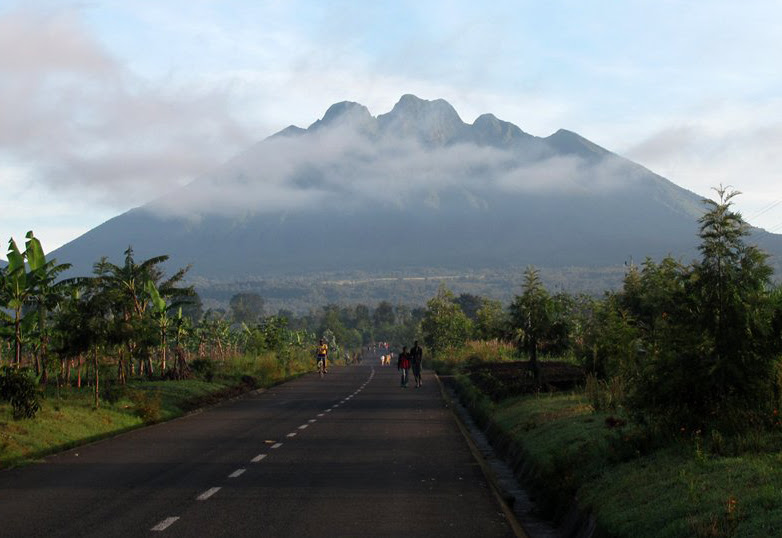
Moisture-wicking base layer A lightweight thermal or moisture-wicking base layer is very useful at altitude. Volcanoes National Park in Rwanda sits at over 2,500 metres — mornings are cool and the forest is cold and damp.
Warm fleece or light jacket Temperatures in the forest can drop to 10–12°C especially in the early morning. A lightweight fleece packs small and keeps you comfortable at the trailhead.
Waterproof rain jacket Essential regardless of season. Even in Rwanda’s dry season, afternoon showers can occur inside the forest. A packable waterproof jacket weighs almost nothing and can save your entire experience.
Underwear (4–5 pairs) Quick-drying synthetic or merino wool. Pack one per day plus a spare.
Hat or buff A wide-brimmed hat protects against sun at the trailhead. A buff or neck gaiter is useful inside the cool forest and doubles as insect protection for your neck.
Garden gloves This surprises many first-time trekkers but garden gloves are one of the most recommended items to pack for gorilla trekking. You will grab vegetation, roots, and branches to steady yourself on steep slopes. Gloves protect your hands from nettles and thorns and give you better grip.
🎒 Your Daypack
Small daypack (20–25 litres) Big enough for water, snacks, rain jacket, and camera — small enough to not slow you down. If hiring a porter they will carry this for you.
Dry bag or waterproof pack cover Protects your camera and valuables if it rains. A simple waterproof cover for your daypack costs very little and is essential in wet season.
Trekking poles (optional) Useful on very steep descents and for anyone with knee issues. Some parks provide them — ask your guide or contact Go Safaris Africa when booking.
Gaiters (wet season essential) If you are visiting during the rainy season (March–May or October–November), gaiters that cover the top of your boots and lower leg are invaluable. They keep mud, water, and insects out of your boots on the muddiest trails.
💧 Water and Food
Reusable water bottle or hydration bladder (2 litres minimum) Staying hydrated on the trek is critical. Bring at least 2 litres of water. A hydration bladder allows you to drink hands-free while walking — very convenient on steep sections.
High-energy snacks Your lodge will usually provide a packed lunch for the trek. But bring your own energy bars, nuts, dried fruit, or chocolate for extra fuel. The trek can last up to 8 hours in Uganda — you will need the energy.
Water purification tablets Useful as a backup if you run out of water. Lightweight and cheap insurance.
📷 Camera and Electronics
Camera A DSLR or mirrorless camera gives the best gorilla photographs — but a modern smartphone camera is genuinely excellent for gorilla trekking. The most important rule: absolutely no flash photography. Flash disturbs and distresses the gorillas and you will be asked to leave immediately if you use flash.
Extra batteries and memory cards You will take hundreds of photos in that one precious hour with the gorillas. Make sure your batteries are fully charged the night before and bring at least one spare. Extra memory cards ensure you never run out of space at the critical moment.
Waterproof camera bag or dry bag Protect your camera from rain and humidity inside the forest. A simple dry bag or waterproof pouch works perfectly.
Binoculars (optional) Not essential for gorilla trekking since you get very close to the animals, but useful for spotting birds and other wildlife on the approach trail.
Portable power bank For charging your phone and camera battery at your lodge. Power supply can be unreliable near remote national parks.
“For photographers read our complete gorilla trekking photography tips guide — camera settings lenses and composition techniques.”
🏥 Health and Hygiene Essentials
Insect repellent (DEET-based) Apply to all exposed skin before the trek. The forest has mosquitoes, tsetse flies, and safari ants. A good DEET repellent is one of the most important health items to pack for gorilla trekking.
Sunscreen Apply at the trailhead before entering the forest. Even on cloudy days UV levels at altitude are significant.
Personal first aid kit Basic kit including plasters, blister treatment, antiseptic wipes, and any personal prescription medications. Your safari operator and park rangers carry more comprehensive first aid equipment.
Antimalarial medication Both Rwanda and Uganda are malaria-risk countries. Consult your doctor before travel and begin your antimalarial course as directed — usually starting 1–2 weeks before arrival. Common options include Malarone, Doxycycline, and Lariam.
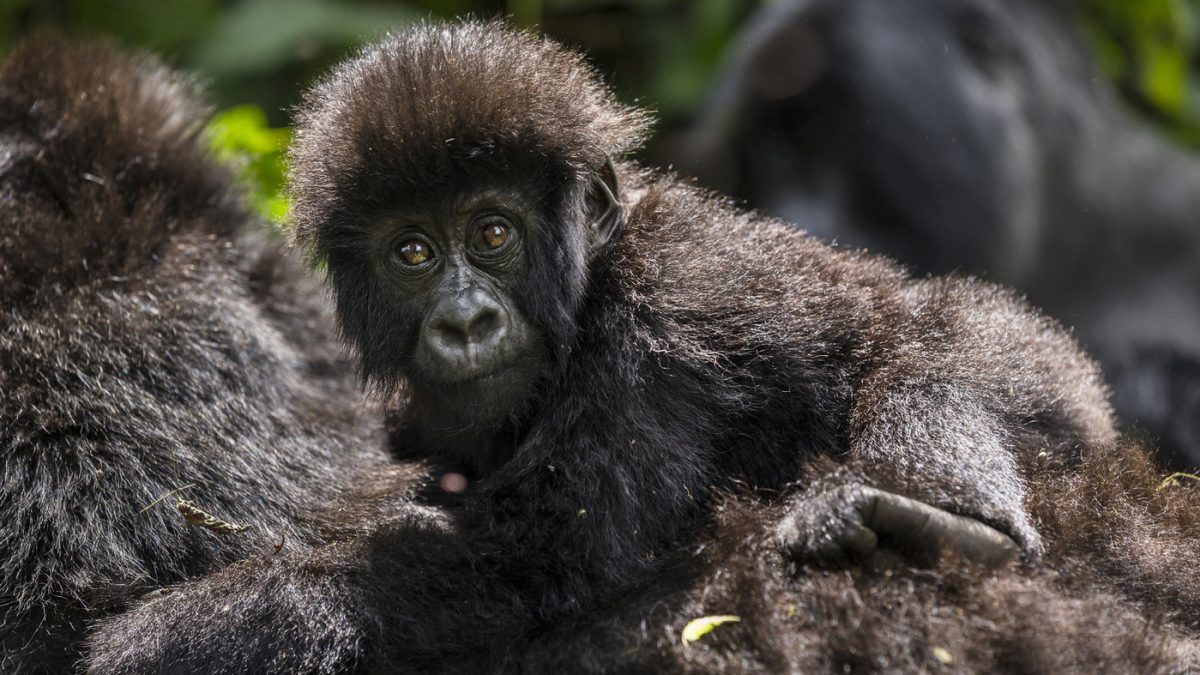
Hand sanitiser Use before and after your gorilla trek. Gorillas share approximately 98% of human DNA and are highly susceptible to human diseases — hand hygiene protects them as well as you.
Toilet paper and small trowel For long treks in Uganda where the forest is your bathroom. Pack these in a zip-lock bag.
Prescription medications Bring a sufficient supply plus extra in case of travel delays. Keep medications in your carry-on luggage, never in checked bags.
Travel insurance documents Comprehensive travel insurance covering trekking, medical evacuation, and trip cancellation is essential. Keep a printed copy and a digital copy accessible on your phone.
💵 Documents and Money
Gorilla trekking permit Your most important document. Keep a printed copy and a digital copy on your phone. Go Safaris Africa provides permit documentation as part of every package.
Passport and visa Keep your passport safe at your lodge during the trek — you do not need it on the trail. Carry a photocopy in your daypack.
US Dollars cash Both Rwanda and Uganda use US dollars widely. Bring cash for tips, porters, and souvenirs. Small denomination bills ($1, $5, $10, $20) are most useful.
Credit card Accepted at most mid-range and luxury lodges. Less reliable at budget properties and in remote areas.
🎁 Optional but Recommended
Lightweight camp towel Quick-drying microfibre towel — useful if your lodge towels are thin or unavailable.
Zip-lock bags Pack several sizes. Keeps documents dry, organises small items, and doubles as waterproof protection for your phone.
Small torch or headlamp Early morning departures mean pre-dawn preparation. A headlamp keeps your hands free while you get ready at 5–6am.
Earplugs If you are a light sleeper, lodges near the forest can be alive with bird and animal sounds from very early in the morning.
A small gift for your porter and guide While tips are the most appreciated gesture, a small gift from your home country is always warmly received. Nothing expensive — chocolates, postcards, or small novelty items.
Tipping Guide for Gorilla Trekking
Tipping is an important part of gorilla trekking culture and directly supports the local people who make your experience possible. Here are the standard tip amounts:
| Person | Suggested Tip |
|---|---|
| Porter | $10–$20 per trek |
| Park ranger guide | $20–$30 per trek |
| Safari driver/guide | $15–$20 per day |
| Lodge staff | $5–$10 per night |
Always tip in US dollars cash. Prepare your tip envelopes the night before so you are ready at the end of the trek.
What NOT to Pack for Gorilla Trekking
Just as important as knowing what to pack for gorilla trekking is knowing what to leave behind:
- ❌ Blue clothing — attracts tsetse flies
- ❌ Strong perfume or cologne — disturbs the gorillas
- ❌ Flash photography equipment — strictly forbidden
- ❌ Drones — prohibited in all national parks
- ❌ Large heavy backpack — unnecessary weight on the trail
- ❌ Valuables — leave jewellery, laptops, and expensive items locked at your lodge
- ❌ Food near the gorillas — eating in the presence of gorillas is not permitted
- ❌ Single-use plastic — Rwanda has banned plastic bags entirely. Bring reusable alternatives.
Packing for Rwanda vs Uganda — Key Differences
Rwanda — Volcanoes National Park
- Treks are generally shorter (2–6 hours) than Uganda
- Altitude is higher — pack warmer layers
- Infrastructure is excellent — lodges are well-equipped
- Dry season conditions mean less mud gear needed June–September
Uganda — Bwindi Impenetrable Forest
- Treks can be longer and more demanding (2–8 hours)
- Forest is denser and wetter — waterproof everything
- Gaiters are more important here than Rwanda
- Road conditions can be rough — pack valuables carefully
For a full comparison read our gorilla trekking Rwanda vs Uganda guide and our best time to visit Rwanda for gorilla trekking guide.
Book Your Gorilla Trek with Go Safaris Africa
At Go Safaris Africa we send every client a personalised pre-departure packing list and preparation guide when they book with us. Our experienced team is available to answer any questions about what to pack for gorilla trekking before your trip.
- 👉 View Rwanda gorilla safari packages
- 👉 View Uganda gorilla safari packages
- 👉 Book your gorilla permit
- 👉 Contact us for a free custom quote
📞 Call or WhatsApp: +250 788 365 595 📧 info@gosafarisafrica.com 🌐 www.gosafarisafrica.com
Frequently Asked Questions
What is the most important thing to pack for gorilla trekking? Waterproof hiking boots with ankle support are the single most important item. Good boots make the difference between an enjoyable trek and a dangerous one on steep, muddy volcanic terrain.
Can I wear shorts for gorilla trekking? No. Long trousers are essential — the forest has stinging nettles, thorns, and biting insects. Exposed legs will suffer. Always pack long trousers for the trek itself.
Do I need to pack a rain jacket even in the dry season? Yes. Even during Rwanda’s dry season, brief afternoon showers can occur inside the forest. A lightweight packable rain jacket weighs almost nothing and is always worth having.
Should I pack insect repellent for gorilla trekking? Absolutely. DEET-based repellent is essential — apply to all exposed skin before the trek. Both Rwanda and Uganda have mosquitoes, tsetse flies, and forest insects.
Can I bring my phone camera for gorilla trekking? Yes — modern smartphone cameras take excellent gorilla photographs. The most important rule is no flash, ever. Put your phone on silent mode and disable the flash before entering the gorilla sector.
Does Go Safaris Africa provide any equipment? We provide all transport, guiding equipment, and can arrange porter services. Some lodges provide trekking poles. For a full list of what is included in our packages contact us here.
Go Safaris Africa is a Kigali-based safari operator specialising in gorilla trekking, wildlife safaris, and tailor-made adventures across Rwanda, Uganda, Kenya, and Tanzania. 📍 Prince House, Second Floor, Office #5, Kigali, Rwanda 📞 +250 788 365 595 | 🌐 www.gosafarisafrica.com