
Planning your first African safari is one of the most exciting and occasionally overwhelming travel experiences you will prepare for. The sheer range of destinations parks animals lodges and itineraries can make the planning process feel complex — but the experience itself is almost always simpler more beautiful and more profoundly moving than first-time safari travellers expect.
This complete first African safari guide covers everything you need to know before you go — what a safari actually involves what wildlife encounters are really like how game drives work what accommodation is available what to pack how much to budget and the most important tips that will make your first safari extraordinary rather than just good.
If you are planning your first visit to East Africa — whether for gorilla trekking in Rwanda game drives in the Serengeti or a complete East Africa circuit — this guide is your essential starting point.
What is a Safari?
The word safari comes from the Arabic word for journey — and in East Africa it has come to mean any guided wildlife experience in the African bush. In the modern context a safari typically involves:
- Travelling in a 4×4 safari vehicle through national parks and wildlife reserves
- Searching for and observing wildlife in their natural habitat
- Staying in lodges tented camps or permanent camps inside or near wildlife areas
- Being guided by experienced professional driver-guides who know the wildlife and terrain
A safari is not a zoo visit. Wildlife is wild free and unpredictable. You are the visitor in their world — and that is exactly what makes the experience extraordinary.
What Kind of Safari is Right for Your First Time?
One of the most important decisions for a first African safari is choosing the right type of experience. Here are the main options:
Gorilla Trekking Safari — Rwanda or Uganda
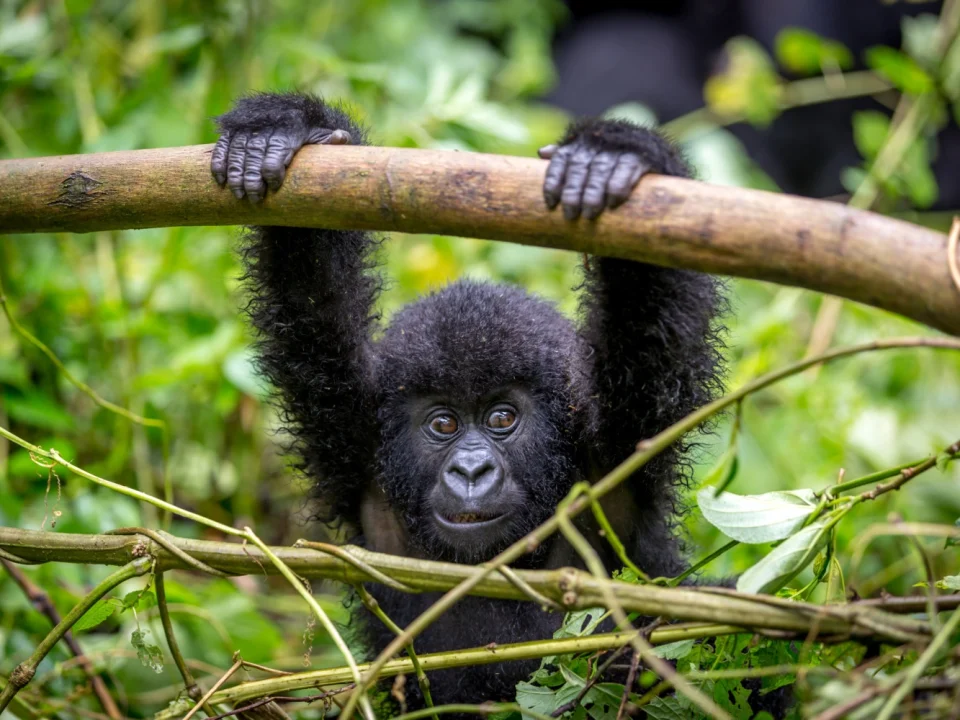
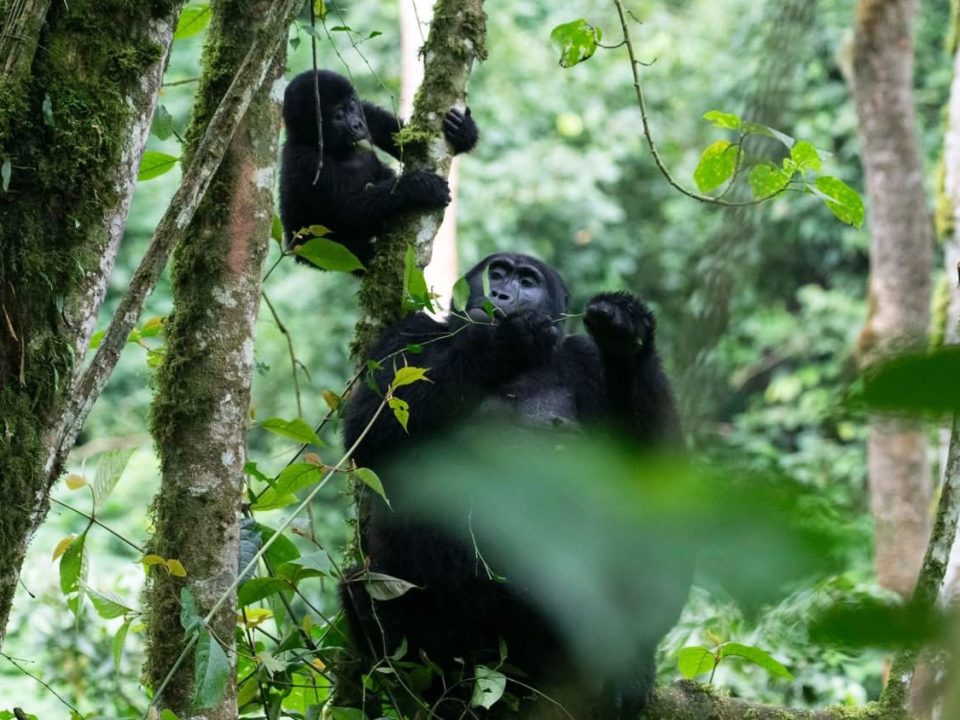
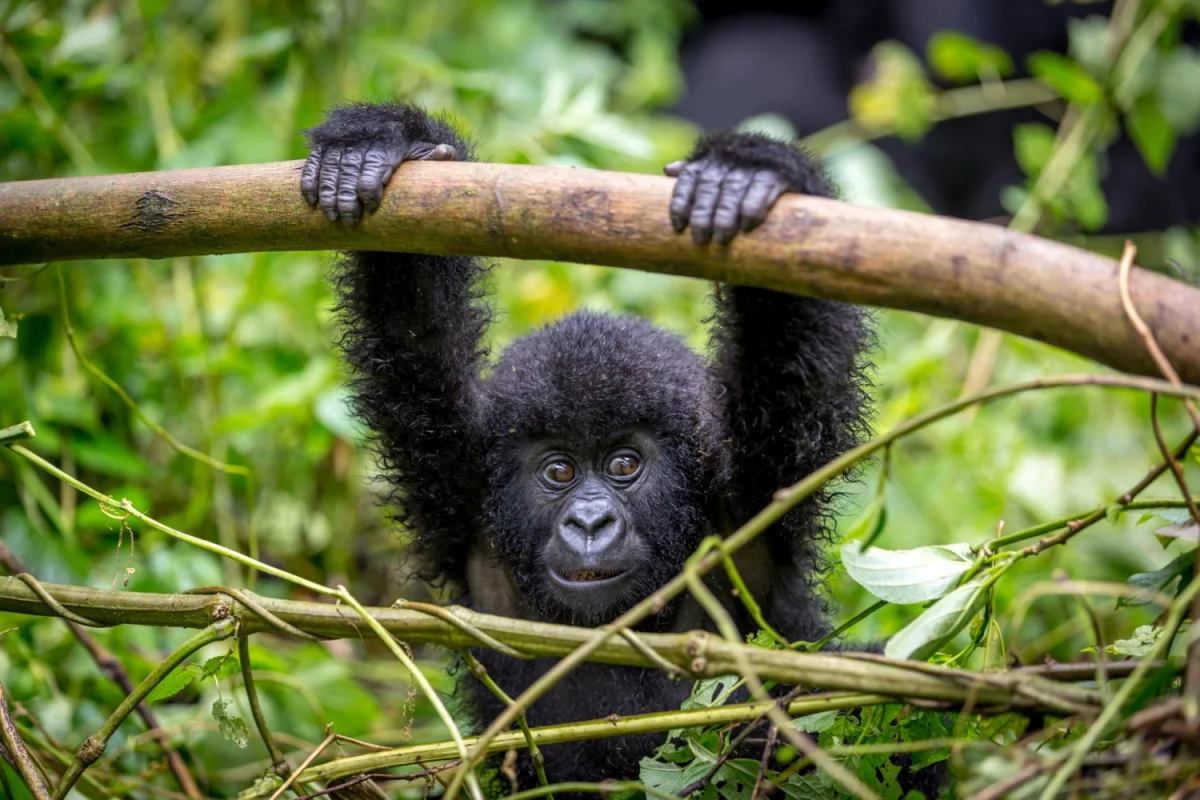
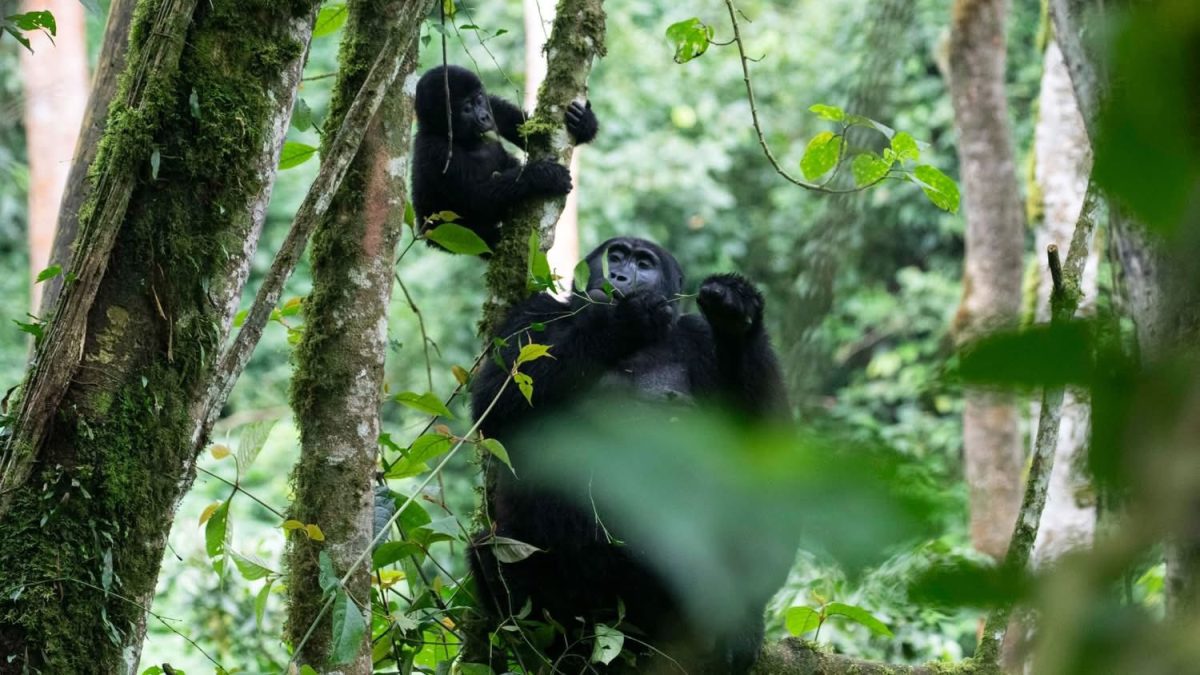
If mountain gorillas are on your bucket list your first African safari might be a gorilla trekking trip — one of the most powerful and most talked-about wildlife experiences available anywhere on Earth.
Rwanda’s Volcanoes National Park and Uganda’s Bwindi Impenetrable Forest are both extraordinary choices for a first safari. Rwanda is more accessible and luxurious. Uganda is more affordable and adventurous.
Read our gorilla trekking Rwanda vs Uganda complete guide for the full comparison.
Best for: First-timers who specifically want primates and are prepared for the $800–$1,500 permit cost
Big Five Game Drive Safari — Kenya or Tanzania
The classic first African safari experience — game drives through open savanna in search of lions leopards elephants rhinos and buffalos. Kenya’s Maasai Mara and Tanzania’s Serengeti are the world’s finest Big Five destinations.
Read our Maasai Mara complete guide and Serengeti National Park complete guide.
Best for: First-timers who want the classic safari experience with maximum wildlife variety
Combined Primate and Big Five Safari
The ultimate first African safari — combine gorilla trekking in Rwanda or Uganda with Big Five game drives in Kenya or Tanzania. The most complete East Africa wildlife experience available.
Read our 7-day Rwanda safari itinerary and 10-day Uganda safari itinerary.
Best for: First-timers with 10–14 days who want the broadest possible East Africa experience
Budget vs Luxury for Your First Safari
Budget first safari: Basic but comfortable accommodation shared vehicles and road transport keep costs manageable. The wildlife experience is identical to a luxury safari — lions do not discriminate between budget and luxury tourists.
Mid-range first safari: The best balance of quality and value. Private vehicle good lodges and expert guides without the ultra-luxury price tag.
Luxury first safari: The finest lodges private game drives exclusive conservancies. The most comfortable and most personalised experience.
Read our budget safari East Africa guide for detailed cost advice.
What Happens on a Game Drive — The Reality
For most first-time safari travellers the game drive is the central experience — and it is often different from what they imagined.
The Vehicle
Most East Africa safari game drives are conducted in Toyota Land Cruisers or Land Rover Defenders — specially modified 4×4 vehicles with pop-up roof hatches that allow you to stand and photograph wildlife at full height. The vehicles are robust comfortable (within reason) and designed specifically for bush driving.
You will typically share your vehicle with 3–5 other travellers unless you have booked a private safari — in which case the vehicle is exclusively yours. We recommend private vehicles for all first-time safari travellers — the flexibility to stop as long as you want at any sighting makes a dramatic difference to the quality of your experience.
The Game Drive Itself
Your driver-guide collects you from your lodge before dawn — typically 5:30–6:00am. Yes this is early. Yes it is worth it. The first hour of daylight is the most productive wildlife period of the day — predators are still active lions may be returning from night hunts and the golden morning light is extraordinary.
You drive through the park or reserve along designated tracks — your guide scanning constantly for wildlife tracks droppings disturbance in the grass and the behaviours of prey species that indicate predator presence. An experienced guide sees wildlife you would never notice independently.
When wildlife is found you stop and observe. This is the part that surprises first-time safari travellers most — you may spend an hour watching a lion pride without them doing anything particularly dramatic. And somehow that is fine. The presence of the animals in their natural environment at close range creates a kind of peaceful absorption that is completely unlike any other wildlife experience.
What Wildlife You Will Actually See
First-time safari travellers often worry about not seeing enough wildlife. The honest truth is that in the major East African safari destinations wildlife encounters are genuinely reliable — but not guaranteed specific.
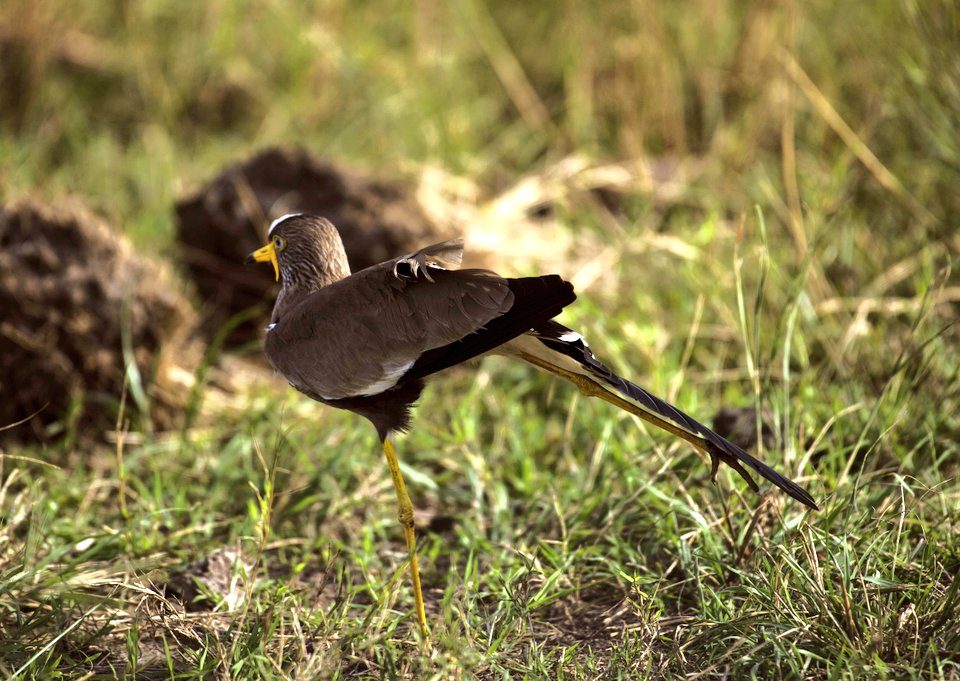
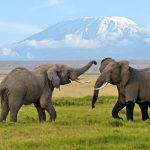
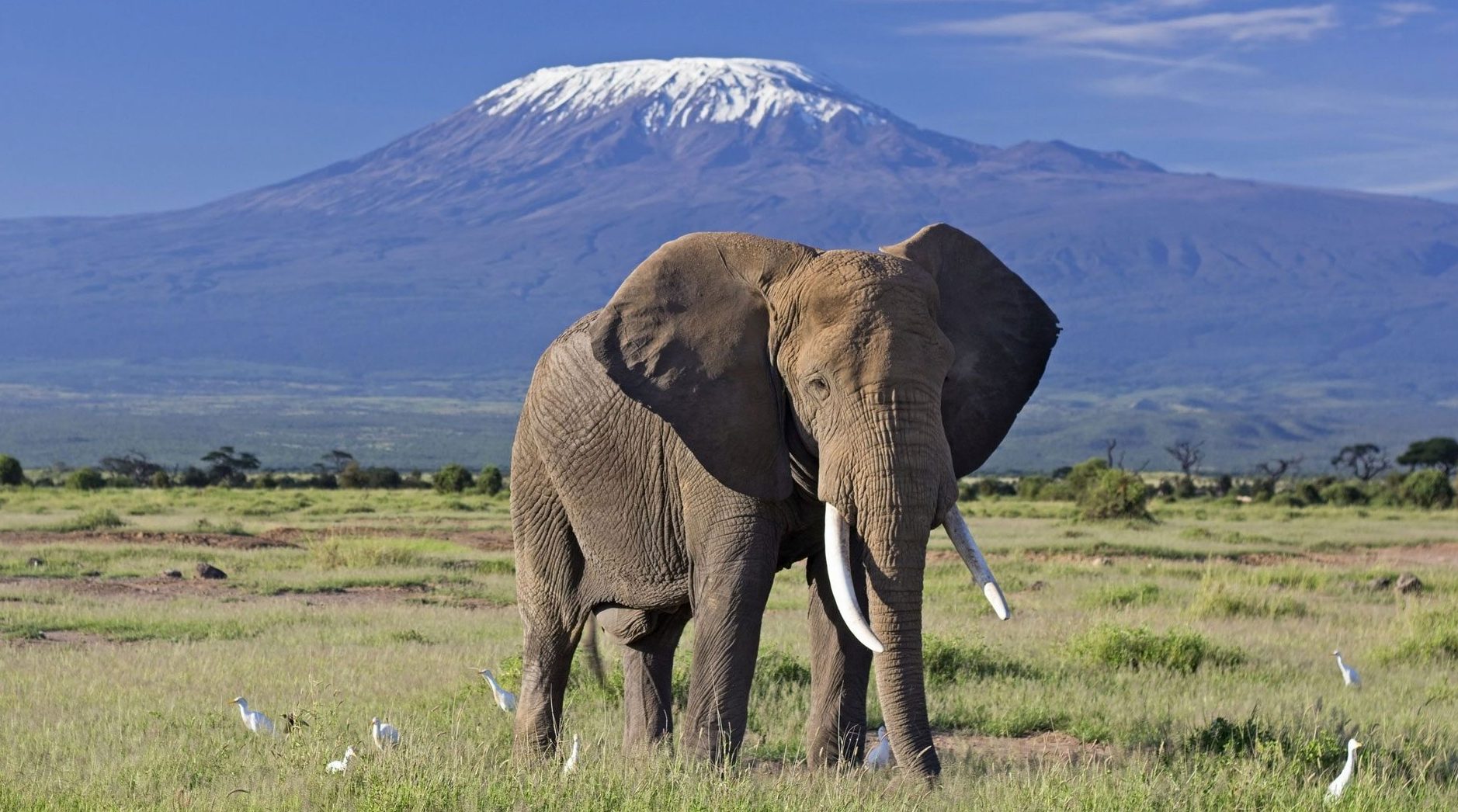
Almost certain to see: Elephants buffalos hippos giraffes zebras wildebeest impalas warthogs baboons various antelope species and abundant birdlife — in virtually every major East African national park.
Very likely to see: Lions in the Maasai Mara Serengeti and Queen Elizabeth. Cheetahs in Amboseli and the Serengeti. Leopards in the Maasai Mara and Serengeti. Hippos everywhere.
Possible but not guaranteed: Rhinos (rare — Ngorongoro and Akagera best bets) African wild dogs (occasional — Ruaha and Selous) aardvarks (nocturnal — very rare).
The honest advice: Go without specific expectations. The wildlife you see will be extraordinary — let it surprise you rather than measuring it against a checklist.
The Silence and Patience
One of the things first-time safari travellers remember most is the silence. The African bush has a quality of silence — broken only by birdsong wind in the grass and distant animal calls — that is profoundly peaceful and deeply rare in the modern world.
Safari requires patience — the willingness to sit quietly and observe to wait for something to happen to let the bush reveal itself at its own pace. For most people this patience comes naturally in the bush in a way it never does at home. The bush does something to the nervous system that makes waiting feel like its own reward.
“For photography-focused first-timers read our East Africa photography safari complete guide.”
Accommodation — What to Expect
Safari Lodges
Most first-time safari travellers stay in safari lodges — permanent buildings with en-suite rooms swimming pools restaurants and bars. Safari lodges range from basic to ultra-luxury but all provide the essential combination of comfortable beds good food and proximity to wildlife.
What safari lodges are NOT:
- Five-star city hotels — shower pressure may be modest beds may be firm air conditioning may not exist
- Isolated from wildlife — most lodges have wildlife in or around their grounds
- Generic — every good lodge has its own character atmosphere and personality
What safari lodges ARE:
- Beautifully located — often in extraordinary natural settings
- Personally run — most lodges have small dedicated teams who provide warm personal service
- Excellent food — safari lodge cuisine is generally very good often using locally sourced ingredients
- Memorable — you will remember your lodge as vividly as the wildlife
Tented Camps
Many first-time safari travellers are surprised to discover that some of East Africa’s finest accommodation is in tented camps — permanent canvas structures that combine the atmosphere of sleeping in the bush with surprising levels of comfort.
Good tented camps have:
- Spacious canvas sleeping tents on raised wooden platforms
- Proper beds with linen and mosquito nets
- En-suite bathrooms with hot showers
- Front verandas overlooking the bush
- A central dining and lounge area
The experience of lying in bed listening to the African night — hippos splashing nearby lions calling across the plain hyenas laughing in the distance — with only canvas between you and the wilderness is one of the most extraordinary things a first African safari can offer.
Mobile Camps
The most adventurous accommodation option — mobile camps move to follow the wildlife (particularly the Great Migration) to ensure guests are always in the best location. More rustic than permanent camps but often offering the most exclusive and intimate bush experience.
Budget Guesthouses
For budget first-time safari travellers simple guesthouses near national park gates offer clean comfortable rooms at a fraction of lodge prices. The safari experience — the wildlife the guides the national park — is identical. You just sleep in a simpler room and eat simpler food.
Read our budget safari East Africa guide for complete budget accommodation advice.
Gorilla Trekking — What First-Timers Need to Know
If your first African safari includes gorilla trekking — and we strongly recommend it does — here is what to expect that is not covered in the standard guides:
The physical reality: Gorilla trekking is a genuine physical undertaking — steep volcanic slopes (Rwanda) or dense steep forest (Uganda) for potentially 6+ hours. Many first-timers underestimate the difficulty. Prepare with regular uphill walking in the weeks before your trip.
The emotional reality: Almost every first-time gorilla trekker is surprised by how profoundly the encounter affects them. The intelligence in the gorillas’ eyes the size of the silverback the intimacy of watching a family going about their morning — many people cry. This is normal and nothing to be embarrassed about.
The one-hour reality: The hour goes fast. Incredibly fast. Prepare to feel bereft when the ranger signals it is time to leave. This feeling — wanting more time — is universal and is in itself the greatest testament to how extraordinary the experience is.
Read our comprehensive gorilla trekking complete hub page and our honest answer to is gorilla trekking worth it.
What to Pack for Your First African Safari
Packing for a first African safari is simpler than most people expect — but a few key items make a significant difference.
Essential Items
Neutral coloured clothing — khaki green brown or beige. Avoid bright colours especially blue (attracts tsetse flies). Long sleeves and long trousers for gorilla trekking and forest activities — protecting against nettles insects and sun.
Waterproof hiking boots — essential for gorilla trekking. Comfortable walking shoes or trainers are fine for game drives.
Lightweight layers — East Africa’s highlands can be surprisingly cold in the early morning. A fleece or light jacket for pre-dawn game drives is essential.
Rain jacket — even in dry season brief afternoon showers are possible in many areas.
Good binoculars — one of the best investments for a first African safari. 8×42 or 10×42 are ideal specifications. You will use them constantly for wildlife spotting and birdwatching.
Camera — whatever you have and are comfortable using. Read our gorilla trekking photography guide for specific wildlife photography advice.
Insect repellent — DEET-based for East Africa. Apply before every outdoor activity.
Sunscreen — East Africa is close to the equator. UV levels are high even on cloudy days.
Head torch — for early morning departures and navigating lodge grounds at night.
Soft bag — NOT a hard suitcase. Safari vehicles and domestic flights have strict luggage requirements. A soft duffel or backpack that fits in overhead lockers and under seats is essential.
Read our complete gorilla trekking packing list for the comprehensive item-by-item guide.
What NOT to Pack
- ❌ Hard suitcases — impractical for safari vehicles and domestic flights
- ❌ Bright coloured clothing — disturbs wildlife
- ❌ Heavy perfume or cologne — attracts insects and disturbs gorillas and chimps
- ❌ Excessive valuables — leave at home or in the lodge safe
- ❌ Drones — prohibited in all East African national parks
Health Preparation for Your First African Safari
Vaccinations
Yellow fever — required for Uganda and recommended for Rwanda Kenya and Tanzania. Carry your yellow vaccination card — it is checked at borders.
Hepatitis A — strongly recommended for all East Africa travel.
Typhoid — recommended particularly for budget travellers eating at local restaurants.
Tetanus — ensure your tetanus booster is up to date.
Consult your doctor or travel health clinic at least 4–6 weeks before departure.
Malaria
All East African safari destinations are malaria risk areas. Antimalarial medication is strongly recommended:
- Malarone — start 1–2 days before take daily stop 7 days after leaving. Fewest side effects. Most recommended for East Africa.
- Doxycycline — cheaper than Malarone. May cause sun sensitivity.
In addition to medication use DEET insect repellent and sleep under mosquito nets provided by your lodge.
Travel Insurance
Comprehensive travel insurance is non-negotiable for a first African safari. Your policy must cover:
- Medical evacuation — potentially very expensive from remote safari areas
- Trip cancellation — especially important if you have booked gorilla permits
- Adventure activities — ensure trekking is covered
- Lost or stolen luggage and equipment
Do not book your safari without confirming your insurance covers all activities you plan to do.
Money — How Much Does a First African Safari Cost?
The Honest Cost Breakdown
A first African safari cost depends entirely on destination duration accommodation level and activities. Here is an honest guide:
Budget first safari — 7 days Uganda gorilla trekking + game drives
- Uganda gorilla permit: $800
- 6 nights budget accommodation: $350
- Road transport throughout: $200
- Chimpanzee permit (Kibale): $200
- Park fees: $300
- Meals: $150
- Porter and tips: $100
- Total: approximately $2,100 per person
Mid-range first safari — 7 days Rwanda gorilla trekking + Lake Kivu + Akagera
- Rwanda gorilla permit: $1,500
- 6 nights mid-range accommodation: $1,200
- Private safari vehicle + guide: $900
- Activities and park fees: $400
- Tips: $150
- Total: approximately $4,150 per person
Luxury first safari — 10 days Rwanda + Kenya
- Rwanda gorilla permit: $1,500
- Maasai Mara hot air balloon: $550
- 9 nights luxury accommodation: $4,500
- Private vehicle and flights: $1,500
- Activities: $500
- Tips: $200
- Total: approximately $8,750 per person
For detailed cost breakdowns read our gorilla trekking cost guide and budget safari East Africa guide.
Tipping on Your First African Safari
Tipping is an important part of East African safari culture and directly supports the local people who make your experience possible.
| Person | Suggested Daily/Per Trek Tip |
|---|---|
| Safari driver-guide | $15–$20 per day |
| Gorilla trek ranger guide | $20–$30 per trek |
| Porter (gorilla or chimp trek) | $10–$20 per trek |
| Lodge staff (collective) | $5–$10 per night |
| Restaurant waiter | 10% of bill |
Prepare tips in USD cash in small denomination bills. Keep tip envelopes prepared before each activity so you are ready at the right moment.
Common First Safari Mistakes — And How to Avoid Them
Mistake 1 — Booking flights before securing gorilla permits Book your gorilla permits first — then build flights around them. Peak season permits sell out months in advance. Contact Go Safaris Africa immediately to check availability.
Mistake 2 — Packing a hard suitcase Safari vehicles and domestic flights require soft bags. Pack in a soft duffel or travel backpack.
Mistake 3 — Expecting constant drama Wildlife viewing is not like a wildlife documentary — edited for maximum drama. Real safari involves periods of quiet driving and patient observation. Embrace the pace — it is part of the experience.
Mistake 4 — Not hiring a porter for gorilla trekking At $15–$20 a porter is the best value investment on your safari. Hire one for every gorilla or chimpanzee trek.
Mistake 5 — Underestimating physical demands Gorilla trekking is genuinely demanding. Prepare with regular walking in the weeks before your trip. Be honest with your operator about your fitness level so they can recommend the most suitable gorilla family.
Mistake 6 — Not arranging travel insurance Non-negotiable. Arrange comprehensive travel insurance before booking anything else.
Mistake 7 — Booking the cheapest option without checking quality The cheapest safari operators often cut corners on vehicle maintenance guiding quality and permit reliability. A slightly higher budget with a reputable operator makes an enormous difference to your experience.
Mistake 8 — Going without a guide Self-drive safari is possible in some parks but for a first-time visitor a professional guide is invaluable. Their wildlife knowledge tracking ability and understanding of animal behaviour transforms what you see and understand.
Your First Safari Itinerary — Recommendations from Go Safaris Africa
For First-Timers Who Want Gorillas (7 Days)
Days 1–2: Arrive Kigali → Genocide Memorial + city tour Day 3: Transfer to Volcanoes National Park → golden monkey trekking Day 4: Gorilla trekking ($1,500 Rwanda permit) Day 5: Transfer to Lake Kivu → relaxation Day 6: Transfer to Akagera → Big Five game drive Day 7: Akagera boat safari → return Kigali → depart
Read our 7-day Rwanda safari itinerary for the complete day-by-day guide.
For First-Timers Who Want Classic Safari (7 Days Tanzania)
Day 1: Arrive Kilimanjaro → Arusha Day 2: Tarangire National Park Day 3: Lake Manyara → Ngorongoro rim Day 4: Ngorongoro Crater full day Days 5–7: Serengeti National Park (3 nights)
Read our Serengeti complete guide and Ngorongoro Crater guide.
For First-Timers Who Want Everything (14 Days)
Days 1–4: Rwanda gorilla trekking + Lake Kivu Days 5–7: Fly to Kenya → Maasai Mara Days 8–9: Fly to Tanzania → Serengeti Day 10: Ngorongoro Crater Days 11–14: Zanzibar beach
Read our Zanzibar travel guide and Kenya vs Tanzania comparison.
Why Book Your First African Safari with Go Safaris Africa
At Go Safaris Africa we understand that a first African safari is one of the most significant and exciting travel experiences of your life. We take that responsibility seriously.
Our Kigali-based team guides first-time safari travellers every month — we know exactly what first-timers worry about what surprises them what moves them and what they wish they had known before they came.
When you book your first African safari with us:
- ✅ Honest expert advice — we help you choose the right destination for your budget and interests
- ✅ Gorilla permit booking — secured immediately — the most critical first step
- ✅ First-timer friendly guides — patient knowledgeable and excellent at explaining what you are seeing
- ✅ Complete logistics — permits accommodation transport and activities all handled
- ✅ Pre-departure preparation — we send you everything you need to know before you arrive
- ✅ 24/7 support — available throughout your entire safari
- ✅ Transparent pricing — no hidden fees no surprises
- 👉 Plan your first African safari
- 👉 View Rwanda safari packages
- 👉 View Uganda safari packages
- 👉 View all safari tours
- 👉 How It Works — booking your safari
📞 Call or WhatsApp: +250 788 365 595 📧 info@gosafarisafrica.com 🌐 www.gosafarisafrica.com
Frequently Asked Questions
What is the best first African safari destination? Rwanda for gorilla trekking — the most unique and powerful wildlife encounter available anywhere. Tanzania for classic Big Five game drives — Serengeti and Ngorongoro. Kenya for the Great Migration and Maasai Mara. All are extraordinary choices for a first African safari. Contact us for personalised advice based on your budget and interests.
How long should my first African safari be? Minimum 5–7 days to properly experience one destination. 10–14 days if combining two countries or a safari with Zanzibar beach. Read our 7-day Rwanda safari itinerary for a complete first safari template.
Is it safe to go on safari in East Africa? Yes — Rwanda Uganda Kenya and Tanzania are all established safe tourism destinations welcoming millions of visitors annually. Read our Rwanda travel guide and Uganda travel guide for detailed safety information.
What vaccinations do I need for my first African safari? Yellow fever (required for Uganda — recommended for all). Hepatitis A typhoid and tetanus (strongly recommended). Antimalarial medication essential for all East African destinations. Consult your doctor 4–6 weeks before travel.
Is gorilla trekking suitable for a first safari? Absolutely — it is one of the greatest wildlife experiences on Earth and an extraordinary introduction to East Africa. Read our is gorilla trekking worth it guide for the honest first-timer perspective.
What is the best time of year for a first African safari? June–September and December–February offer the best conditions across all East African destinations. Read our best time to visit Rwanda guide for the complete seasonal breakdown.
How much does a first African safari cost? From approximately $2,100 per person for a budget 7-day Uganda gorilla safari to $8,750+ per person for a luxury Rwanda Kenya combination. Read our gorilla trekking cost guide and budget safari East Africa guide for complete cost breakdowns.
Do I need to be physically fit for my first African safari? For gorilla trekking moderate fitness is required — uphill walking for 2–6 hours. Game drives and boat safaris require no physical exertion. Read our what to pack guide for physical preparation advice.
Go Safaris Africa is a Kigali-based safari operator specialising in gorilla trekking wildlife safaris and tailor-made adventures across Rwanda Uganda Kenya and Tanzania. 📍 Prince House Second Floor Office #5 Kigali Rwanda 📞 +250 788 365 595 | 🌐 www.gosafarisafrica.com