
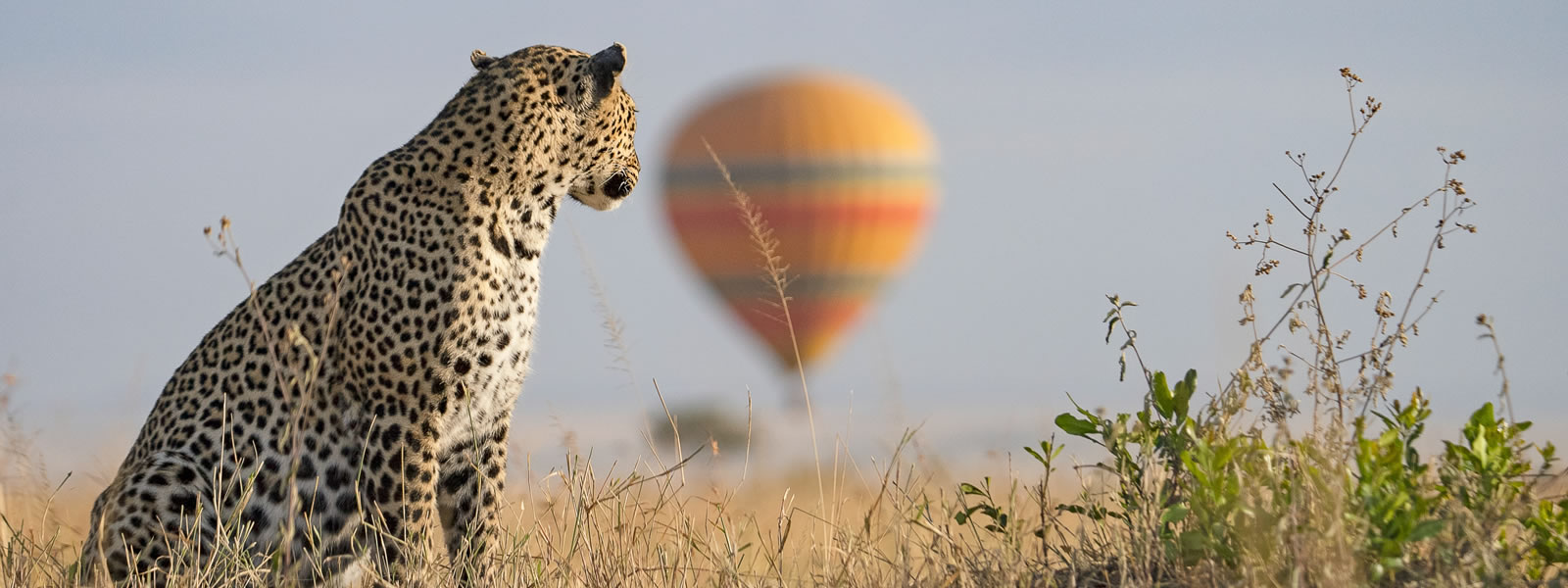
Maasai Mara National Reserve is Kenya’s most celebrated wildlife destination and one of the most famous national reserves on Earth. Named after the Maasai people who have lived alongside its wildlife for centuries and the Mara River that cuts through its northern boundary the Maasai Mara National Reserve delivers the most concentrated and dramatic wildlife encounters available anywhere in Africa.
This is where the Great Migration reaches its most spectacular climax — where 1.5 million wildebeest and zebras plunge into the crocodile-filled Mara River between July and October in scenes of raw wild power that have made the Maasai Mara National Reserve the most photographed wildlife destination in the world. But the Mara is not just about the migration — extraordinary lion prides the finest cheetah habitat in Kenya superb leopard sightings and a year-round abundance of wildlife make this reserve remarkable in every month of the year.
This complete guide covers everything you need to know about visiting Maasai Mara National Reserve in 2026 — the Great Migration when to go best camps conservancies costs game drives hot air balloons and how to combine it with Rwanda gorilla trekking for the ultimate East Africa safari.
Maasai Mara National Reserve: Essential Facts
| Location | Southwestern Kenya — Narok County |
| Size | 1,510 km² (reserve) + 2,000+ km² private conservancies |
| Altitude | 1,500m – 2,200m |
| Established | 1961 as national reserve |
| Ecosystem | Part of the greater Serengeti-Mara ecosystem — 25,000 km² total |
| Annual visitors | Approximately 250,000 per year |
| Main wildlife | Wildebeest · lions · leopards · cheetahs · elephants · hippos |
| Great Migration | July–October Mara River crossings |
| Main entry gate | Sekenani Gate (southeast) · Talek Gate (east) · Musiara Gate (north) |
| Nearest airport | Wilson Airport Nairobi → Maasai Mara airstrips (45 min flight) |
| Distance from Nairobi | 270 km — approximately 5–6 hours by road |
Why Maasai Mara National Reserve is Africa’s Most Famous Reserve
Maasai Mara National Reserve has earned its extraordinary global reputation through a combination of factors that no other African reserve can fully replicate:
The highest big cat density in Africa The Mara ecosystem supports the highest concentration of lions leopards and cheetahs of any comparable area in Africa. Multiple lion prides — some of the most studied and photographed wildlife populations in the world — are reliably located throughout the reserve year-round.
The Great Migration Between July and October the Maasai Mara National Reserve receives the Great Migration from Tanzania’s Serengeti — over 1.5 million wildebeest crossing the Mara River in one of nature’s most extraordinary and dramatic events. Read our complete Great Migration Serengeti 2026 guide for the full seasonal breakdown.
The private conservancy system Surrounding the main Maasai Mara National Reserve are dozens of privately managed Maasai community conservancies — vast areas of community-owned land where exclusive camps operate with private game drives and virtually no other vehicles. The conservancies offer the finest and most exclusive wildlife experience in Kenya — and some of the finest in all of Africa.
Year-round excellence Unlike some African parks where wildlife is concentrated only in dry season the Mara delivers outstanding game viewing every month of the year — resident lion prides resident cheetah families and year-round elephant and buffalo herds ensure extraordinary encounters regardless of when you visit.
Accessibility from Nairobi Just a 45-minute domestic flight from Wilson Airport in Nairobi the Maasai Mara National Reserve is extraordinarily accessible — making it the perfect addition to any Kenya East Africa or combined Rwanda-Kenya safari itinerary.
The Great Migration in Maasai Mara National Reserve
The Great Migration is the defining experience of the Maasai Mara National Reserve — the annual arrival of over 1.5 million wildebeest and 200,000 zebras from Tanzania’s Serengeti between July and October.
What Happens During the Migration
The wildebeest follow rainfall and fresh grass in a continuous circular journey between Tanzania and Kenya. When they reach the Maasai Mara National Reserve they must cross the Mara River — a 30-metre wide fast-flowing river patrolled by enormous Nile crocodiles that have been waiting for months.
The river crossings are completely unpredictable — they can happen multiple times in one day or not at all for several days. The herds gather on the riverbank building themselves into a frenzy of noise and movement. Then triggered by something invisible — a surge of collective will — the first animals leap into the water and thousands follow in a thundering churning mass.
Crocodiles up to 4 metres long launch from the water. Lions wait on the far bank. Some wildebeest make it. Others do not. It is nature at its most raw most dramatic and most honest.
Mara River Crossing Tips
Your guide’s information network is everything. Crossings can happen at dozens of potential points along the Mara River. Your guide needs to be positioned at the right crossing point before the crossing begins — arriving after it has started means missing the most dramatic moments. Experienced guides monitor radio communications with a network of scouts and other guides across the ecosystem continuously.
Be patient. Crossings are unpredictable. Sometimes you wait 2–3 hours at a crossing point for nothing to happen — then the herds move 3 km upstream and cross there instead. Patience and flexibility are as important as being in the right place.
The Tanzania side offers more exclusivity. The northern Serengeti National Park crossing points receive fewer vehicles than the Kenya side during peak August season. Read our Serengeti National Park complete guide for the Tanzania crossing experience.
Book a conservancy camp for the crossing season. Private conservancy camps can position you at crossing points without the vehicle crowds that accumulate at the main reserve crossing points. The difference in exclusivity is extraordinary.
Migration Calendar for Maasai Mara National Reserve
July: First wildebeest arrive in the Maasai Mara National Reserve — crossings begin. Book as far in advance as possible for July — it fills quickly.
August: Peak season — maximum wildebeest numbers in the Mara. Most dramatic and most crowded month. Book 12–18 months ahead for the best camps.
September: Crossings continue — slightly fewer tourists than August. Still extraordinary. One of our favourite months for the Mara.
October: Last wildebeest begin returning to Tanzania following the short rains. Crossings continue through early October. By late October the herds are largely gone.
Wildlife in Maasai Mara National Reserve Year-Round
The migration is spectacular but the Maasai Mara National Reserve delivers extraordinary wildlife encounters in every month of the year.
Lions — The Mara’s Greatest Residents
The Maasai Mara National Reserve has the highest lion density of any comparable wildlife area in Kenya — multiple well-known prides with large memberships roam the open plains and riverine forest throughout the reserve.
The Marsh Pride — made famous by the BBC documentary Big Cat Diary — is one of the most studied and photographed lion prides in the world. Based in the Musiara Marsh area of the northern Mara this pride has been continuously documented for over 30 years and their individual members are known by name by the guides who work with them daily.
Other famous Mara lion prides include the Double Cross Pride the Rekero Pride and the Offbeat Pride — all well-habituated to vehicles and offering extraordinary close-range encounters.
Cheetahs — Kenya’s Finest
The open grasslands of the Maasai Mara National Reserve and surrounding conservancies are the finest cheetah habitat in Kenya. Several well-known cheetah families are regularly located including famous individuals that have been continuously monitored by researchers and guides for years.
Watching a cheetah hunt across the open Mara plains is one of Africa’s most thrilling wildlife spectacles — the acceleration from 0 to 120 km/h in seconds the twisting pursuit the explosive conclusion. No predator hunt in Africa is more visceral or more photogenic.
Leopards — The Mara’s Most Elusive Cats
Leopards are present throughout the Maasai Mara National Reserve — in the riverine forest along the Mara and Talek Rivers and in the kopje outcrops scattered across the reserve. Leopard sightings require patience and experienced guiding but the Mara’s excellent guide network means good leopard encounters are achievable for most visitors.
The Mara River area near the Musiara Gate and the Fig Tree area along the Talek River are the most reliable leopard zones in the reserve.
Elephants
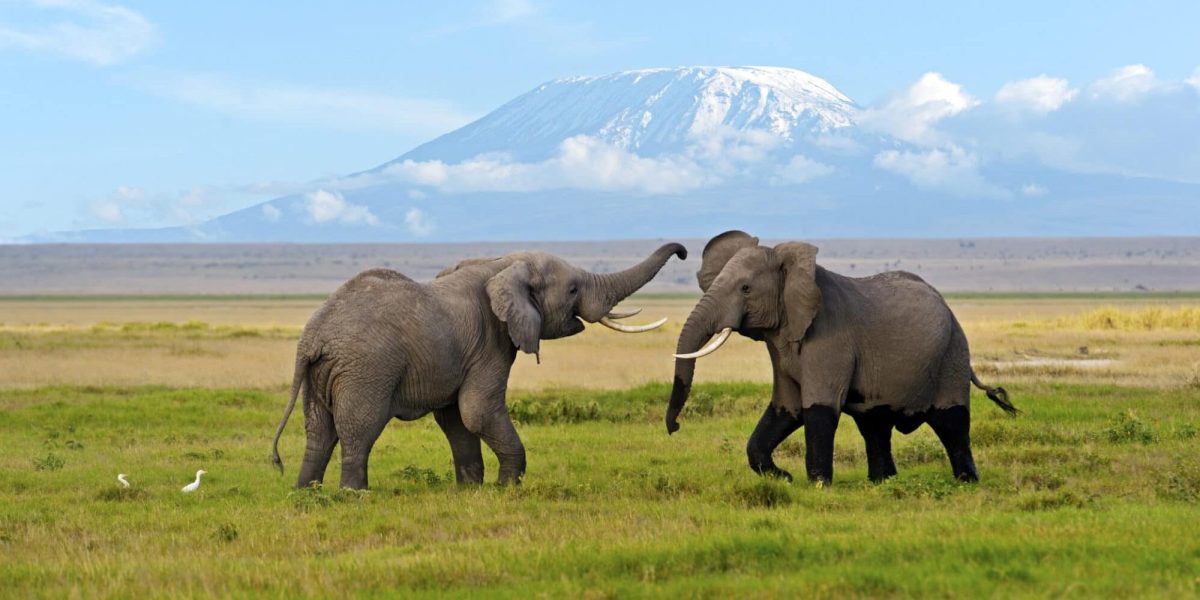
Large elephant herds — sometimes 50–100 animals — move through the Maasai Mara National Reserve and into the adjacent conservancies. The elephants are well-habituated to vehicles and often approach at extraordinary close range during waterhole and river visits.
Hippos
The Mara River supports one of Kenya’s most impressive hippo populations — large pods of 30–60 animals wallowing in the pools and channels below the main crossing points. A boat or walking safari along the Mara River bank gives extraordinary close-range hippo encounters.
African Wild Dogs
The Maasai Mara National Reserve ecosystem has a small but growing wild dog population — sightings are rare and extraordinary. If your guide has reliable wild dog intelligence consider extending your stay to maximise the chance of an encounter.
Birdlife — 570+ Species
The Maasai Mara National Reserve is a world-class birding destination — 570+ recorded species including:
- Lilac-breasted roller — the most photographed bird in the Mara
- Grey crowned crane — Kenya’s national bird
- Secretary bird — stalking majestically through the grass
- Martial eagle — Africa’s largest eagle
- Saddle-billed stork — spectacular at river crossings
- Hundreds of migrant species — arriving from Europe and Asia October–April
- 6 species of vulture — gathering at every kill
The Private Conservancies — The Mara’s Best Kept Secret
The Maasai Mara National Reserve is surrounded by a network of privately managed Maasai community conservancies that together cover over 2,000 km² of additional wildlife habitat. These conservancies are arguably the finest safari experience in Kenya — and one of the most extraordinary in Africa.
Why the Conservancies are Better than the Main Reserve
No vehicle limits. The main Maasai Mara National Reserve has rules about vehicle numbers at sightings. In the conservancies your guide can drive off-road follow predators through the bush and stay with a sighting as long as you wish with no other vehicles.
Night game drives. Night drives are not permitted in the main reserve but are available in most conservancies — revealing leopards on hunts civets bush babies and other nocturnal wildlife.
Walking safaris. Walking through the African bush with an armed ranger guide is only available in the conservancies — one of the most intimate and thrilling safari experiences possible.
Fewer vehicles. Each conservancy has a strictly limited number of camps and vehicles — creating an exclusivity that the main reserve cannot match during peak migration season.
The Main Maasai Mara Conservancies
Olare Motorogi Conservancy — 33,000 acres bordering the northern Mara. Outstanding big cat sightings. Excellent camps include Mara Engai Wilderness Lodge and Mahali Mzuri (Sir Richard Branson’s Virgin Limited Edition lodge).
Mara North Conservancy — 75,000 acres in the northwestern Mara ecosystem. Extraordinary exclusivity. Home to Cottar’s 1920s Camp and Offbeat Mara Camp.
Naboisho Conservancy — 50,000 acres with the lowest camp-to-land ratio of any conservancy. Extraordinary exclusivity. Home to &Beyond Mara Mara and Encounter Mara.
Ol Kinyei Conservancy — 11,000 acres managed by local Maasai communities. Excellent big cat population and community conservation focus.
Mara Ripoi Conservancy — 32,000 acres adjacent to the Mara River. Excellent for migration crossings with private access.
Game Drives in Maasai Mara National Reserve
Private vs Shared Game Drives
Private game drives — your own vehicle your own guide your own schedule. The best way to experience the Maasai Mara National Reserve — flexibility to follow a hunt for hours or wait at a crossing point all morning. Go Safaris Africa provides private game drives as part of all Kenya safari packages.
Shared game drives — joining other guests from your lodge. More affordable but less flexible.
Best Game Drive Timing
Pre-dawn drive (5:30am–10:00am): The most productive period. Lions are returning from night hunts. Cheetahs begin their morning activity. The golden Mara light is spectacular for photography.
Late afternoon drive (3:30pm–6:30pm): Second best. Predators activate as temperatures cool. Sundowner drinks in the bush watching the Mara sunset is one of the most romantic safari experiences imaginable.
Full-day drive with bush lunch: For migration season — spending the maximum time near the river waiting for crossings. Your camp provides a packed bush lunch.
Night drives (conservancies only): Available in all the major conservancies. Completely different wildlife cast — leopards hunting civets genets spring hares and bush babies.
Hot Air Balloon Safari Over Maasai Mara National Reserve
A hot air balloon safari over the Maasai Mara National Reserve is one of the world’s most romantic and extraordinary wildlife experiences — and a highlight of any Kenya safari.
Rising before dawn your balloon drifts silently over the Mara plains at first light watching wildebeest herds move across the grassland the Mara River glinting below and the Tanzanian Serengeti stretching to the south horizon. When the Migration is in the Mara you can look down on the herds from above — an extraordinary perspective on the greatest wildlife spectacle on Earth.
After approximately one hour of flight you land in the bush for a champagne breakfast served in the field surrounded by the African morning.
Balloon safari details:
- Cost: $450–$600 per person
- Duration: Approximately 1 hour flying + champagne breakfast (2–3 hours total)
- Departure: Pre-dawn — 5:30–6:00am
- Best time: July–October for Migration views · Year-round for general game viewing
- Booking: Through your camp or Go Safaris Africa
For honeymooners and special occasion travellers a private balloon for two is available — the ultimate romantic Mara experience. Read our honeymoon safari East Africa guide for the complete romantic Kenya safari planning guide.
Best Time to Visit Maasai Mara National Reserve
| Month | Wildlife Highlight | Crowds | Value |
|---|---|---|---|
| January | Resident predators · clear skies | Low | ⭐⭐⭐⭐⭐ |
| February | Excellent predator action · clear | Low | ⭐⭐⭐⭐⭐ |
| March | Green season · good wildlife | Very low | ⭐⭐⭐⭐⭐ |
| April | Long rains · fewer visitors | Very low | ⭐⭐⭐⭐⭐ |
| May | Rains ease · wildlife very active | Low | ⭐⭐⭐⭐ |
| June | Dry season begins · migration approaching | Medium | ⭐⭐⭐⭐ |
| July | Migration arrives · crossings begin | High | ⭐⭐⭐ |
| August | Peak migration · maximum crossings | Very high | ⭐⭐ |
| September | Crossings continue · slightly quieter | High | ⭐⭐⭐ |
| October | Migration departing · excellent predators | Medium | ⭐⭐⭐⭐ |
| November | Short rains · good resident wildlife | Low | ⭐⭐⭐⭐ |
| December | Dry again · excellent predators · clear | Low-medium | ⭐⭐⭐⭐ |
Best overall: January–February (excellent predators fewer crowds outstanding value) and July–September (Great Migration river crossings)
Best value: March–May and November — lowest lodge rates of the year with surprisingly good wildlife
Most important booking advice: For August the best camps and conservancy lodges fill 12–18 months ahead. Book your Maasai Mara National Reserve August safari before anything else.
“For Kenya’s other iconic safari destination read our Amboseli National Park complete guide.”
Where to Stay in Maasai Mara National Reserve
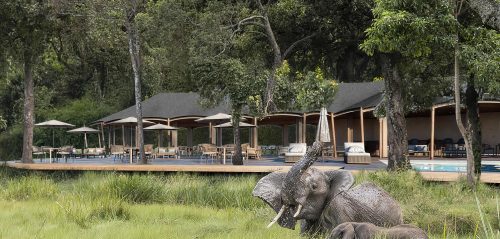
Ultra-Luxury ($800–$3,000+ per person per night)
Mahali Mzuri — Sir Richard Branson’s Virgin Limited Edition lodge on Olare Motorogi Conservancy. 12 tented suites with extraordinary Mara views private game drives and world-class cuisine. One of Kenya’s most celebrated luxury properties.
Cottar’s 1920s Camp — the most distinctive camp in the Mara — a meticulously restored vintage 1920s safari aesthetic combined with contemporary luxury. Private conservancy private game drives walking safaris and extraordinary atmosphere.
&Beyond Bateleur Camp — ultra-luxury classic tented camp in the Kichwa Tembo area with outstanding guiding and exceptional service.
Angama Mara — two glass-fronted tented suites suspended above the Great Rift Valley with 180-degree views of the Mara below. Featured in Out of Africa. The most dramatic lodge position in Kenya.
Luxury ($400–$800 per person per night)
Rekero Camp — intimate 9-tent camp on the Talek River in the heart of the reserve. Outstanding year-round wildlife access and excellent guiding.
Mara Plains Camp — beautiful tented camp in the Olare Motorogi Conservancy with excellent big cat access and private game drives.
Elephant Pepper Camp — exclusive tented camp with superb guiding and authentic bush atmosphere. One of the Mara’s best kept luxury secrets.
Mid-Range ($200–$400 per person per night)
Mara Serena Safari Lodge — comfortable lodge inside the Maasai Mara National Reserve with consistent service good food and reliable wildlife access year-round.
Sentrim Mara Camp — well-located mid-range tented camp with good guiding and comfortable facilities at an accessible price point.
Basecamp Masai Mara — community-owned eco-camp with excellent conservation credentials and authentic Maasai cultural experiences.
Budget ($80–$200 per person per night)
Mara Intrepids Camp — well-established camp offering the essential Maasai Mara National Reserve experience at mid-to-budget rates.
Public campsites — basic facilities within the reserve for independent travellers.
Getting to Maasai Mara National Reserve
By Domestic Flight (Strongly Recommended)
A 45-minute domestic flight from Wilson Airport in Nairobi is by far the best way to reach the Maasai Mara National Reserve — saving 5–6 hours of road travel and arriving fresh for your first afternoon game drive.
Airstrips in and around Maasai Mara National Reserve:
- Ol Kiombo airstrip — central Mara
- Keekorok airstrip — southern Mara
- Musiara airstrip — northern Mara (closest to Mara River crossings)
- Olare Orok airstrip — Olare Motorogi Conservancy
- Naboisho airstrip — Naboisho Conservancy
Flights operate from Wilson Airport in Nairobi. Multiple operators fly the route daily with flights departing throughout the morning.
Go Safaris Africa arranges all domestic flight bookings as part of Kenya safari packages.
By Road from Nairobi (5–6 hours)
The road from Nairobi to the Maasai Mara National Reserve via Narok takes 5–6 hours on reasonable roads — dusty in dry season and muddy in wet season. A 4×4 vehicle is strongly recommended.
The road journey is beautiful — passing through the outskirts of Nairobi the highlands of Kikuyu country and the dramatic descent into the Great Rift Valley before the long drive across the Mara plains to your camp.
From Rwanda — Combining with Gorilla Trekking
The most popular combination we plan at Go Safaris Africa is Rwanda gorilla trekking followed by Maasai Mara National Reserve:
- Fly Kigali (KGL) → Nairobi (NBO) — 1 hour direct on RwandAir or Kenya Airways
- Transfer to Wilson Airport for domestic flight to Mara airstrip (45 minutes)
- Arrive at your camp in time for an afternoon game drive
This combination — mountain gorillas and Mara River crossings — is widely described as the finest wildlife trip available anywhere in the world.
👉 Rwanda gorilla trekking guide 👉 Great Migration complete guide 👉 Contact us to plan your combined safari
Maasai Mara National Reserve Costs
Reserve and Conservancy Fees
Maasai Mara National Reserve (peak season):
- Adult entry: $200 per person per day
- Vehicle fee: included in most lodge packages
Maasai Mara National Reserve (low season):
- Adult entry: $100 per person per day
Private conservancies:
- Conservation fee: $80–$150 per person per night (usually included in lodge rate)
Total Safari Costs
| Safari Type | Cost Per Person Per Day |
|---|---|
| Budget (main reserve lodge) | $200–$350 |
| Mid-range (comfortable lodge) | $350–$600 |
| Luxury (premium lodge or conservancy) | $600–$1,200 |
| Ultra-luxury (top conservancy camp) | $1,000–$3,000+ |
Typical 4-night Maasai Mara safari total:
- Budget: $1,500–$2,500 per person
- Mid-range: $3,000–$5,000 per person
- Luxury: $6,000–$12,000 per person
- Ultra-luxury: $12,000–$25,000+ per person
Popular Maasai Mara National Reserve Itineraries
4-Night Classic Maasai Mara Safari
Day 1: Arrive Nairobi → Wilson Airport domestic flight → Mara → afternoon game drive Days 2–3: Full day game drives · hot air balloon option on Day 3 Day 4: Morning game drive → fly back to Nairobi Day 5: Depart Nairobi
7-Day Kenya Classic Safari
Day 1: Arrive Nairobi → Giraffe Centre + David Sheldrick Day 2: Fly to Samburu (Special Five wildlife) Day 3: Full day Samburu Day 4: Fly to Maasai Mara Days 5–6: Maasai Mara game drives + balloon Day 7: Fly to Nairobi → depart
10-Day Rwanda Gorillas + Maasai Mara
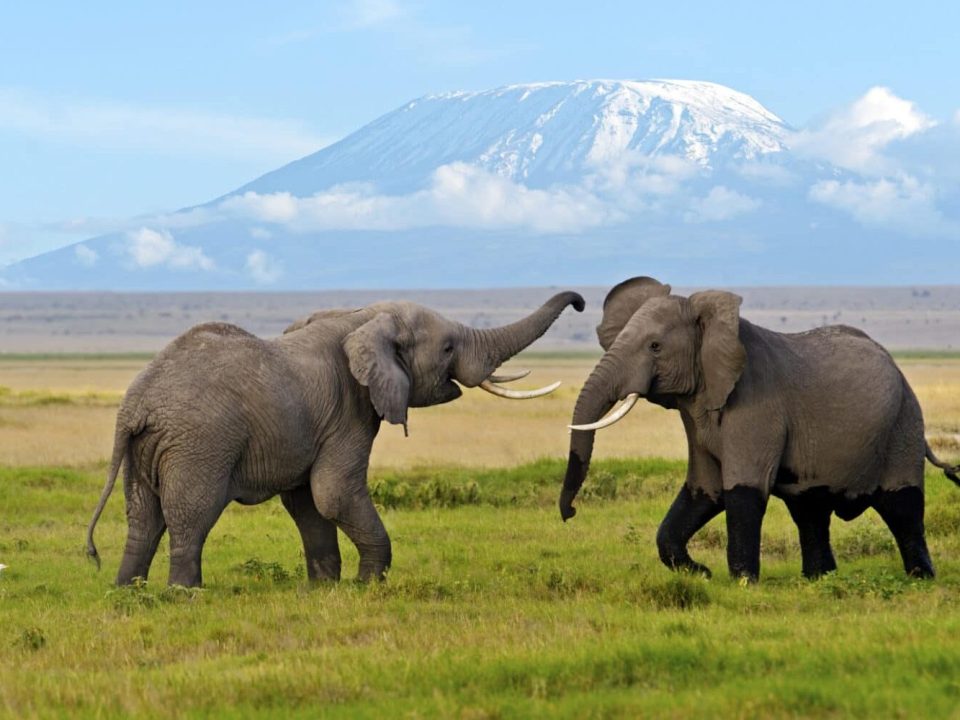
Days 1–3: Rwanda → Kigali + gorilla trekking Volcanoes National Park Day 4: Fly Kigali → Nairobi → Wilson → Mara Days 5–8: Maasai Mara National Reserve (4 nights) Days 9–10: Amboseli National Park (Kilimanjaro elephants)
👉 Contact Go Safaris Africa to plan your Maasai Mara safari
Maasai Mara vs Serengeti — Which is Better?
This is the most common question we receive about both destinations. The honest answer is that both are extraordinary and the right choice depends entirely on when you are travelling and what you prioritise.
Read our complete Kenya vs Tanzania safari comparison and our Serengeti National Park complete guide for the full analysis.
In brief:
- Maasai Mara — easier access from Nairobi more famous river crossings excellent private conservancies
- Serengeti — larger more pristine year-round migration better value fewer tourists
Many of our clients do both — flying between the Mara and Serengeti on a single East Africa itinerary.
The Maasai People — Culture and Conservation
The Maasai Mara National Reserve takes its name from the Maasai people — one of Africa’s most iconic and recognisable indigenous communities who have lived alongside the wildlife of the Mara ecosystem for centuries.
The Maasai’s traditional semi-nomadic pastoralist lifestyle — moving cattle across vast grasslands — has historically been compatible with wildlife conservation. Today the private conservancy model builds directly on this relationship — paying Maasai landowners conservation fees for protecting their land as wildlife habitat rather than converting it to agriculture.
This community conservation model is one of Africa’s great conservation success stories — the Mara ecosystem has expanded significantly over the past two decades as more Maasai communities choose to join the conservancy system.
Most Maasai Mara National Reserve camps offer Maasai cultural visits — meeting community members learning about traditional life and purchasing authentic handmade crafts. These visits directly support Maasai families and are a meaningful addition to any Mara safari.
Book Your Maasai Mara National Reserve Safari with Go Safaris Africa
Go Safaris Africa plans and operates Maasai Mara National Reserve safaris as standalone Kenya experiences or combined with Rwanda gorilla trekking — the ultimate East Africa wildlife adventure.
- 👉 View Kenya safari packages
- 👉 Great Migration complete guide
- 👉 Kenya vs Tanzania comparison
- 👉 Honeymoon safari East Africa guide
- 👉 Contact us for a free Maasai Mara quote
📞 Call or WhatsApp: +250 788 365 595 📧 info@gosafarisafrica.com 🌐 www.gosafarisafrica.com
Frequently Asked Questions
What is Maasai Mara National Reserve famous for? The Maasai Mara National Reserve is famous for the Great Migration river crossings (July–October) the highest big cat density in Kenya and some of Africa’s most studied lion prides. It is consistently ranked one of the world’s greatest wildlife destinations.
When is the best time to visit Maasai Mara National Reserve? July–October for the Great Migration river crossings. January–February for excellent predators and fewer crowds. The Mara delivers outstanding wildlife year-round. See our complete month-by-month guide above.
How much does a Maasai Mara National Reserve safari cost? A mid-range 4-night safari costs approximately $3,000–$5,000 per person. Luxury conservancy safaris cost $6,000–$12,000+ per person. See our complete cost guide above or contact us for a precise quote.
What is the difference between the Maasai Mara reserve and the conservancies? The main Maasai Mara National Reserve has vehicle limits at sightings and no off-road driving or night drives. The surrounding private conservancies allow off-road driving night drives and walking safaris with far fewer vehicles. Conservancy camps are more expensive but offer a significantly more exclusive experience.
Can I combine Maasai Mara with Rwanda gorilla trekking? Absolutely — this is one of our most popular combinations. Fly Kigali to Nairobi in just 1 hour then domestic flight to the Mara (45 minutes). Gorillas and the Great Migration in one trip — the greatest East Africa wildlife experience available. Contact us to plan your combined safari.
Is Maasai Mara or Serengeti better? Both are extraordinary. The Maasai Mara is better for accessibility and conservancy exclusivity. The Serengeti is larger more pristine and offers year-round migration. Read our Kenya vs Tanzania safari comparison and Serengeti complete guide.
What wildlife will I see in Maasai Mara National Reserve? Lions leopards cheetahs elephants hippos buffalos giraffes zebras wildebeest hyenas 570+ bird species and — July to October — the 1.5 million wildebeest of the Great Migration.
Do I need a visa for Kenya? Most nationalities need an Electronic Travel Authorisation (eTA) available online for $30 USD. The East African Tourist Visa ($100) covers Kenya Uganda and Rwanda — excellent value for combined safaris. Contact us for current entry requirements.
How do I get to Maasai Mara National Reserve? The best option is a 45-minute domestic flight from Wilson Airport in Nairobi to one of the Mara’s airstrips. By road from Nairobi takes 5–6 hours. Go Safaris Africa arranges all transfers as part of Kenya safari packages.
Is Maasai Mara National Reserve safe? Yes — the Maasai Mara National Reserve is a well-managed and safe wildlife destination. Tanzania and Kenya are stable welcoming countries for international visitors. Standard travel precautions apply.
Go Safaris Africa is a Kigali-based safari operator specialising in gorilla trekking wildlife safaris and tailor-made adventures across Rwanda Uganda Kenya and Tanzania. 📍 Prince House Second Floor Office #5 Kigali Rwanda 📞 +250 788 365 595 | 🌐 www.gosafarisafrica.com