


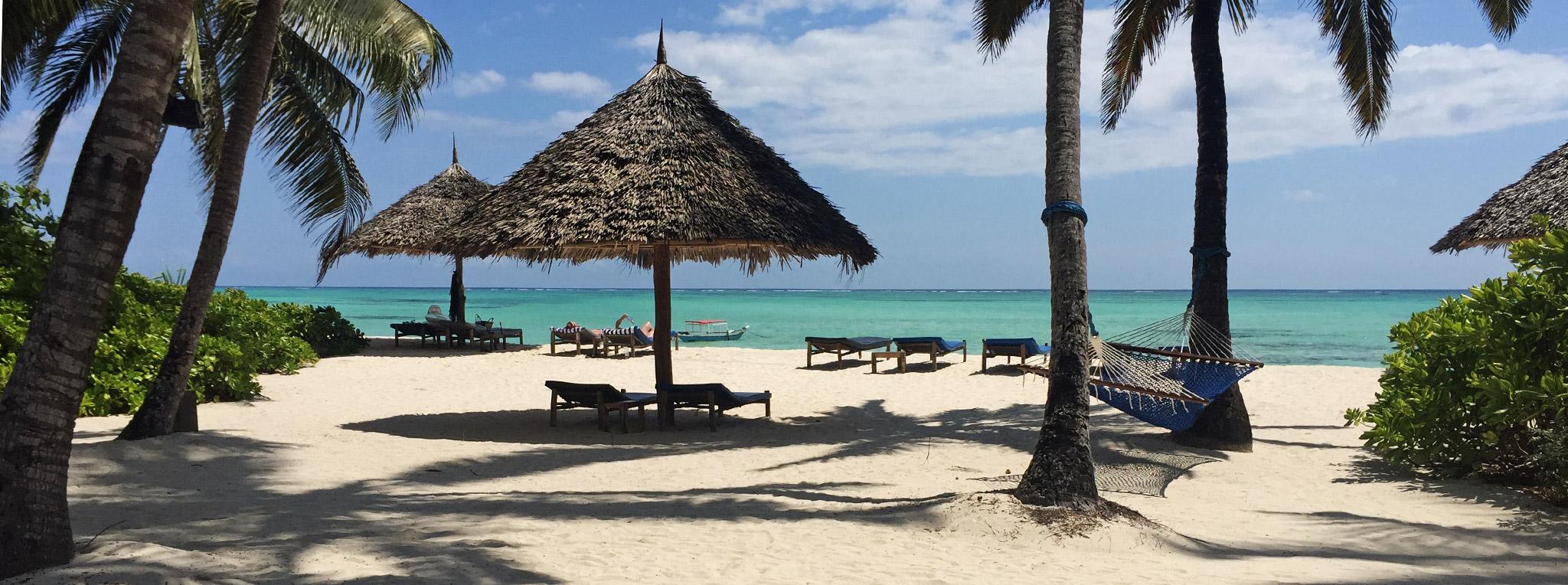
Zanzibar travel guide; Zanzibar is one of the world’s most beautiful and most romantic island destinations — a semi-autonomous archipelago off the coast of Tanzania in the Indian Ocean that combines white sand beaches turquoise water UNESCO-listed Stone Town ancient Swahili culture and some of East Africa’s finest resorts into one extraordinary destination.
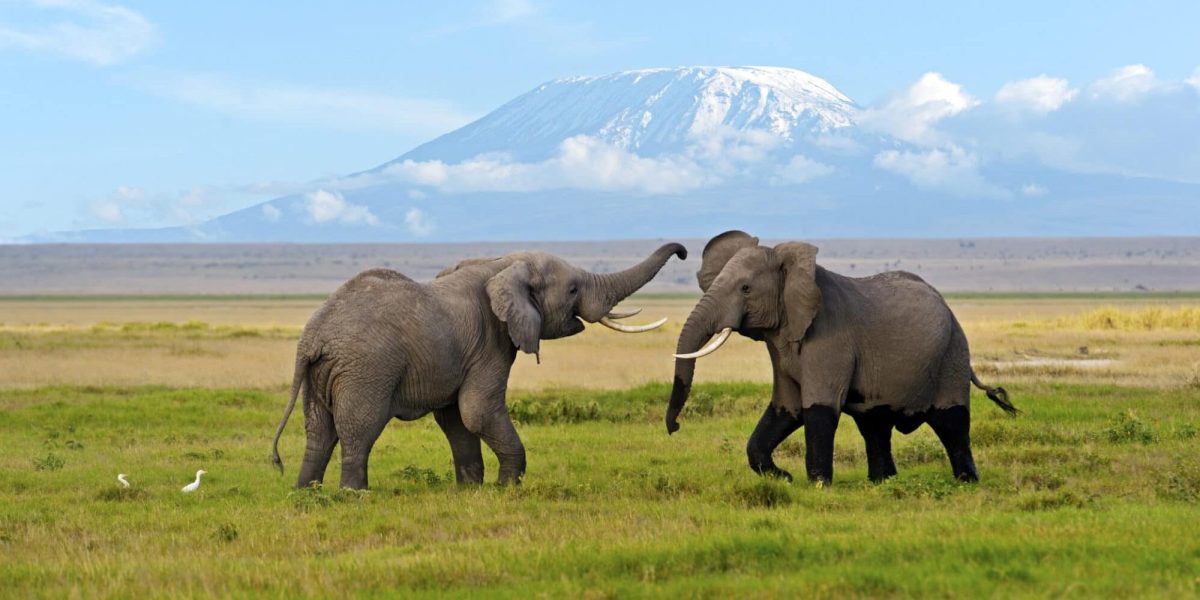
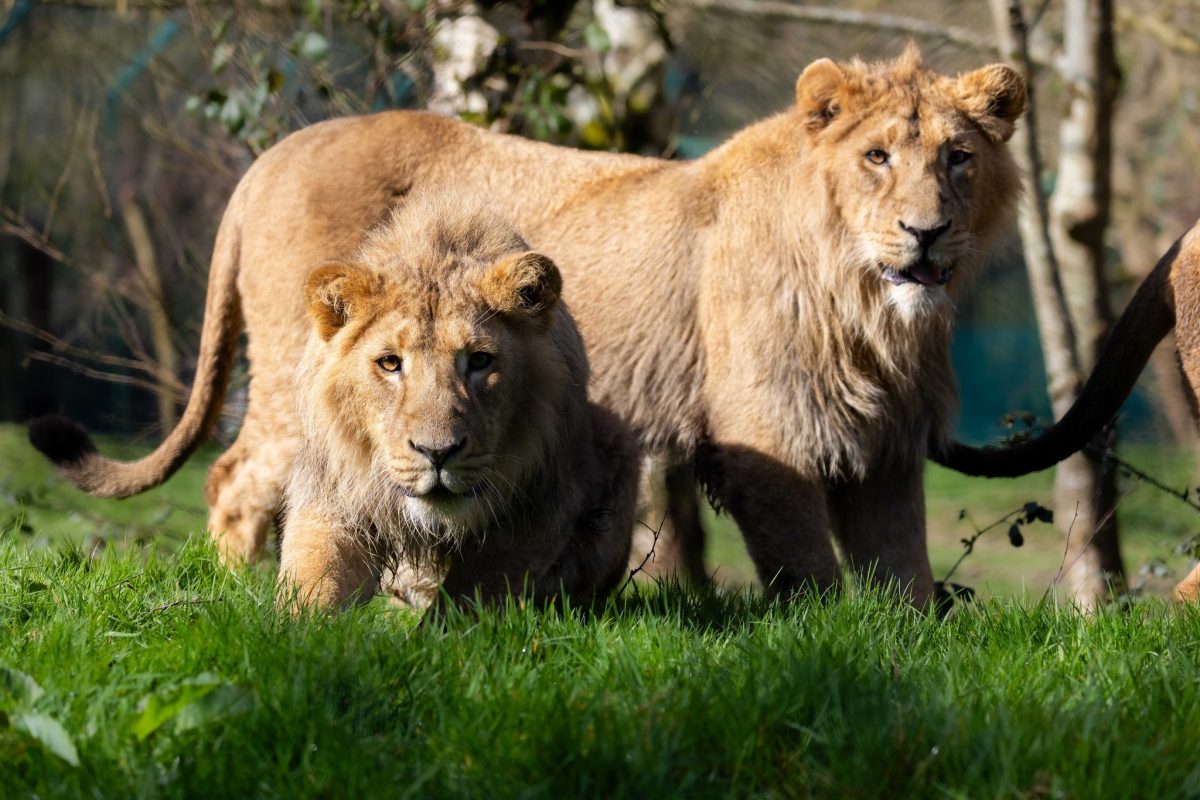
For travellers combining a Zanzibar travel guide itinerary with an East Africa safari — gorilla trekking in Rwanda Uganda wildlife safaris in the Serengeti or game drives in the Maasai Mara — Zanzibar provides the perfect beach finale. Sun warm Indian Ocean water spice-scented old town streets and complete relaxation after the intensity of the African bush.
This complete Zanzibar travel guide covers everything you need to know — the beaches Stone Town spice tours diving and snorkelling where to stay costs best time to visit how to get there and exactly how to combine Zanzibar with an East Africa gorilla trekking and wildlife safari.
Zanzibar at a Glance
| Full name | Zanzibar Archipelago — semi-autonomous region of Tanzania |
| Main islands | Unguja (Zanzibar Island) · Pemba Island · Mafia Island |
| Capital | Zanzibar City (Stone Town) |
| Population | Approximately 1.8 million |
| Area | 2,462 km² (Unguja) |
| Currency | Tanzanian Shilling (TZS) — USD widely accepted |
| Official languages | Swahili · English |
| Religion | Predominantly Muslim (97%) |
| Main airport | Abeid Amani Karume International Airport (ZNZ) |
| Distance from Dar es Salaam | 35 km by sea — 20 minutes by flight |
| Time zone | EAT — East Africa Time (UTC+3) |
| Best time to visit | June–October · December–February |
Why Zanzibar Belongs on Every East Africa Itinerary
Zanzibar is the perfect complement to an East Africa safari — and here is why combining the two creates one of the world’s greatest travel experiences:
The contrast is extraordinary The transition from the raw wild intensity of gorilla trekking in Rwanda or game drives in the Serengeti to the gentle beauty of Zanzibar’s beaches is one of travel’s most satisfying contrasts. You arrive at the beach having experienced Africa at its most wild and raw — and the relaxation that follows feels deeply earned and profoundly peaceful.
It is logistically seamless Zanzibar connects easily to all the major East Africa safari destinations. Fly from Kilimanjaro or Dar es Salaam to Zanzibar in 20–45 minutes. From Nairobi it is a 2-hour flight. From Kigali a Kigali-Kilimanjaro-Zanzibar routing adds just one connection.
It extends the magic A Tanzania safari ends at Kilimanjaro or Arusha. But Zanzibar gives you 3–7 more extraordinary days in East Africa without adding complex logistics. Many travellers who plan 7 days in Tanzania end up booking 10 just to include Zanzibar.
It is a world-class destination in its own right Zanzibar is not just a beach add-on. Stone Town is a UNESCO World Heritage Site of extraordinary cultural depth. The island’s history as a spice trading hub Arab sultanate and unfortunately the centre of the East African slave trade gives it a historical richness that rewards exploration far beyond lying on the beach.
Zanzibar’s Beaches — The Best on Each Coast
Zanzibar’s beaches vary dramatically by location — understanding which coast suits you best is one of the most important sections of any Zanzibar travel guide.
The North Coast — Nungwi and Kendwa
Nungwi at the northern tip of Zanzibar Island is the most popular beach destination on the island — and for good reason. The beach is wide white and largely tide-independent (the north coast does not suffer from the tidal extremes that affect some other areas) making it accessible for swimming at any time of day.
Nungwi has a lively atmosphere — beach bars dhow sunset cruises water sports and a busy tourist infrastructure make it the most sociable beach on the island. For travellers wanting a more social beach experience with plenty of restaurants bars and activity options Nungwi is the best choice.
Kendwa — just 3 km south of Nungwi — shares the north coast’s tide advantages with a slightly more relaxed and romantic atmosphere. Kendwa Rocks beach bar hosts one of Zanzibar’s most famous full moon parties. The beach is consistently beautiful and the swimming is excellent.
Best for: Couples honeymooners social travellers water sports enthusiasts
The Northeast Coast — Matemwe and Mnemba
Matemwe on the northeast coast is one of Zanzibar’s most beautiful and most exclusive beach areas — long stretches of white sand backed by coconut palms with clear turquoise water and the coral reef of Mnemba Atoll visible just offshore.
Mnemba Atoll — a small private island just off Matemwe — is one of the finest snorkelling and diving sites in the Indian Ocean. The Mnemba Atoll marine reserve protects extraordinary coral reef and marine life including sea turtles dolphins and hundreds of tropical fish species. &Beyond’s exclusive Mnemba Island Lodge occupies the entire island — one of the Indian Ocean’s most celebrated luxury retreats.
Best for: Divers snorkellers luxury travellers seeking exclusivity wildlife enthusiasts (dolphins sea turtles)
The East Coast — Paje Jambiani and Bwejuu
The east coast of Zanzibar is the kitesurfing capital of East Africa — strong consistent southeast trade winds from June to September create perfect conditions for kitesurfing and windsurfing across the shallow turquoise lagoon.
Paje is the most developed east coast beach — a long stretch of white sand with excellent kitesurfing schools beach bars and a good selection of mid-range and budget accommodation. The tidal flat at low tide is dramatic — hundreds of metres of shallow water and white sand stretching to the reef edge.
Jambiani — 8 km south of Paje — is quieter and more authentic — a long beautiful beach with a traditional fishing village atmosphere fewer tourists and excellent budget accommodation options.
Bwejuu — between Paje and Jambiani — is one of the most peaceful and beautiful beaches on the island — largely undeveloped with a handful of excellent boutique properties.
Best for: Kitesurfers windsurfers budget travellers seeking authentic atmosphere
The Southeast Coast — Bwejuu and The Palms
The southeast coast between Bwejuu and Michamvi Peninsula offers some of the most spectacular and least crowded beaches on the island — long sweeping arcs of white sand with beautiful offshore reef and a handful of exclusive boutique properties.
The Palms Zanzibar and other exclusive properties in this area offer some of the most private and romantic beach experiences available anywhere on Zanzibar.
Best for: Couples seeking seclusion honeymoon travellers luxury beach seekers
The West Coast — Stone Town and Sunset Beach
The west coast of Zanzibar faces the Zanzibar Channel and the Tanzania mainland — offering spectacular sunsets over the water every evening. Stone Town sits on the west coast and the seafront area from Forodhani Gardens to Shangani provides one of the most atmospheric sunset experiences in East Africa.
Beach swimming on the west coast is generally not as good as the north and east coasts — the water is shallower and murkier — but the sunset views and Stone Town proximity make it excellent for accommodation if you are prioritising Stone Town exploration.
Best for: Stone Town visitors sunset seekers cultural travellers
Stone Town — Zanzibar’s UNESCO Heart
Stone Town is the historic heart of Zanzibar City and one of the most extraordinary and atmospheric old towns in all of Africa — a UNESCO World Heritage Site since 2000 and the living embodiment of Zanzibar’s extraordinary multicultural history.
The History of Stone Town
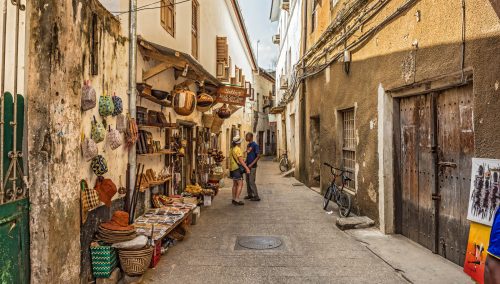
Stone Town’s history is layered and complex — Arab Swahili Persian Indian and eventually European influences have all left their mark on the architecture culture cuisine and character of this extraordinary place.
The Sultans of Oman established Zanzibar as the capital of their East African empire in the 19th century — turning it into the wealthiest and most powerful city on the East African coast. The Arab and Persian architectural influences — carved wooden doors ornate balconies and labyrinthine alleyways — date from this period.
The Swahili trading culture — a fusion of Arab African and Indian influences — created the extraordinary cultural mix that makes Stone Town unique. Swahili is itself a fusion language — Arabic-influenced Bantu — and Stone Town is its cultural home.
The slave trade — the darkest chapter of Zanzibar’s history. Stone Town was the centre of the East African slave trade with estimates suggesting up to 50,000 enslaved people passing through the town annually at the trade’s peak. The Anglican Cathedral built on the site of the old slave market is one of the most moving and important historical sites on the island.
The birthplace of Freddie Mercury — the legendary Queen frontman was born Farrokh Bulsara in Stone Town in 1946. The house where he was born on Kenyatta Road is now a small museum and one of Stone Town’s most visited sites.
Must-See in Stone Town
The Old Fort (Ngome Kongwe) — the oldest building in Stone Town — built by the Omani Arabs in 1699 on the site of a Portuguese chapel. Now used as a cultural centre with regular traditional music and dance performances.
The House of Wonders (Beit al-Ajaib) — the most impressive building on Zanzibar’s waterfront — the former palace of Sultan Barghash built in 1883. The name comes from its status as the first building in East Africa to have electricity and an elevator. Currently undergoing restoration.
The Sultan’s Palace Museum (Beit el-Sahel) — the former royal palace of the Sultans of Zanzibar — now a museum displaying royal furniture clothing and photographs documenting Zanzibar’s royal history.
The Anglican Cathedral and Slave Market — the most historically significant and emotionally powerful site in Stone Town. Built in 1873 on the exact site of the slave market by the Universities’ Mission to Central Africa the cathedral contains a powerful memorial to the victims of the slave trade. The underground holding chambers where enslaved people were kept before sale are open to visitors.
Forodhani Gardens and Night Market — the Stone Town waterfront gardens transform every evening into Zanzibar’s most atmospheric food market. Dozens of stalls serve fresh seafood grilled octopus Zanzibar pizza sugar cane juice and local delicacies as dhows sail past in the golden evening light. The Forodhani night market is one of the greatest food experiences in East Africa.
The Freddie Mercury Museum — the birthplace of Zanzibar’s most famous son on Kenyatta Road. Small but fascinating — photographs memorabilia and the story of Farrokh Bulsara’s Zanzibar childhood. Essential for any Queen fan.
The Darajani Market — Stone Town’s main covered market — a sensory explosion of spices fish fruits vegetables and local life. The fish market section in the early morning is extraordinary.
The Narrow Alleyways — simply getting lost in Stone Town’s labyrinthine alleyways is one of the greatest pleasures of a Zanzibar visit. Every turn reveals a beautiful carved door an unexpected courtyard a tiny mosque or a glimpse of local life.
Spice Tours — Zanzibar’s Aromatic Heritage
The Zanzibar spice tour is one of the most popular and most rewarding half-day activities on the island — and an essential experience for any visitor following this Zanzibar travel guide.
Zanzibar earned its name as the Spice Island through centuries of spice cultivation — the island’s fertile volcanic soil and tropical climate made it the perfect growing environment for cloves nutmeg cinnamon vanilla cardamom black pepper and dozens of other spices that once commanded extraordinary prices in European markets.
What Happens on a Spice Tour
A typical spice tour takes you to a working spice farm in the interior of Zanzibar Island — usually in the Kizimbani or Kindichi areas about 30 minutes from Stone Town.
Your guide walks you through the plantation identifying plants from their leaves roots and bark before showing you the actual spice they produce. You smell taste and touch:
- Cloves — Zanzibar’s most important spice — smell them drying on the roadside before you even see the tree
- Nutmeg — the fruit split open to reveal the spice hidden inside
- Cinnamon — peel the bark to release the extraordinary scent
- Vanilla — the most labour-intensive spice — hand-pollinated one flower at a time
- Cardamom — crack open the pods and smell one of the world’s most complex aromas
- Black pepper — climbing vines heavy with peppercorns in various stages of ripeness
- Turmeric — dig up the root and see the vivid orange inside
- Lemongrass — crush the leaves for an instant aromatherapy experience
The tour usually ends with a freshly prepared lunch featuring the spices you have just encountered — one of the finest meals in Zanzibar.
Cost: Approximately $15–$25 per person Duration: 3–4 hours including transport Best combined with: Prison Island (Changuu Island) visit in the afternoon — home to giant Aldabra tortoises some over 200 years old
Zanzibar travel guide: Diving and Snorkelling in Zanzibar
Zanzibar is one of the Indian Ocean’s finest diving and snorkelling destinations — warm clear water extraordinary coral reef and abundant marine life make the waters around the archipelago world-class for underwater exploration.
Best Diving Sites
Mnemba Atoll — the finest dive site in Zanzibar and one of the best in the Indian Ocean. The circular reef surrounding Mnemba Island protects extraordinary coral gardens teeming with marine life — sea turtles dolphins Napoleon wrasse giant moray eels and hundreds of tropical fish species. Suitable for all levels.
Leven Bank — deeper dive site off the northeast coast — famous for encounters with large pelagic species including sharks rays and barracuda. Advanced divers.
Kendwa Reef — accessible from the north coast — excellent night diving with octopus lionfish and other nocturnal species.
Bawe Island — west coast site accessible from Stone Town — good wall diving with excellent coral coverage.
Chumbe Island Coral Park — one of the most pristine coral reef sanctuaries in the Indian Ocean — a protected marine park with extraordinary shallow reef snorkelling. Access limited to preserve conservation value.
Marine Wildlife
- Sea turtles — green and hawksbill turtles throughout Zanzibar’s reefs
- Dolphins — spinner and bottlenose dolphins — whale watching tours off Kizimkazi in the south
- Whale sharks — seasonal visits (November–February) — snorkelling with whale sharks off the south coast is one of Zanzibar’s most extraordinary experiences
- Humpback whales — passing through Zanzibar waters during migration (June–September)
- Dugongs — rare but present in some shallow sea grass areas
Dive Schools
Excellent PADI-certified dive schools operate from all major beach areas. Full PADI Open Water courses complete discover scuba sessions and guided dive trips for experienced divers are available throughout the island.
Best Time to Visit Zanzibar
Understanding Zanzibar’s seasons is one of the most important sections of this Zanzibar travel guide — the island has distinct wet and dry seasons that significantly affect the beach experience.
Best Season — June to October ⭐⭐⭐⭐⭐
June to October is Zanzibar’s long dry season — the finest beach weather of the year. Clear skies warm temperatures (25–30°C) calm seas and excellent visibility for diving and snorkelling. This is also peak kitesurfing season on the east coast — southeast trade winds create perfect conditions from June to September.
This season coincides perfectly with East Africa’s peak safari season — making June to October the ideal time for a combined gorilla trekking and Zanzibar safari itinerary.
July and August are peak season — busiest and most expensive months. Book accommodation well in advance.
Second Best Season — December to February ⭐⭐⭐⭐
Zanzibar’s short dry season — excellent beach weather with warm temperatures and generally calm seas. Slightly lower prices than peak season with good availability. Christmas and New Year are very popular — book early.
January and February offer the best value of the dry seasons — excellent weather with fewer visitors than July–August and December.
Avoid — March to May ⭐⭐
The long rains (masika) — heavy daily rainfall and rough seas make this the least desirable time for Zanzibar beach holidays. Many resorts close or offer significantly reduced services. Not recommended for a beach visit.
Shoulder Season — November ⭐⭐⭐
Short rains (vuli) — brief showers usually in the afternoon. Can be unpredictable but often still good beach weather especially later in November. Lower prices and fewer crowds make November reasonable value for budget travellers.
Zanzibar travel guide: Where to Stay
Zanzibar has accommodation at every level — from backpacker guesthouses in Stone Town to some of the most exclusive boutique resorts in the Indian Ocean.
Ultra-Luxury ($500–$2,000+ per night)
&Beyond Mnemba Island — the most celebrated luxury retreat in Zanzibar — 12 private bandas on a private island surrounded by the Mnemba Atoll marine reserve. Complete exclusivity extraordinary diving and outstanding service. One of the Indian Ocean’s finest resorts.
The Residence Zanzibar — elegant luxury resort on the southeast coast. 66 villas with private pools beautiful gardens and exceptional service.
Baraza Resort and Spa — Swahili-inspired luxury on the southeast coast. 30 villas with private plunge pools outstanding spa and superb cuisine.
Matemwe Lodge — &Beyond’s mainland Zanzibar property overlooking Mnemba Atoll. Intimate and beautifully designed with exceptional diving access.
Luxury ($200–$500 per night)
Ras Nungwi Beach Hotel — beautiful north coast property with excellent beach access good restaurant and comfortable rooms.
Zanzibar Beach Resort — well-appointed resort on the north coast with multiple pools beach access and reliable service.
Shooting Star Lodge — boutique property on the northeast coast with beautiful design excellent food and a wonderful atmosphere.
Zawadi Hotel — intimate boutique hotel on the southeast coast with beautiful pool stunning sunset views and exceptional cuisine.
Mid-Range ($80–$200 per night)
Pongwe Beach Hotel — beautiful peaceful property on the east coast — excellent value with stunning beach and good food.
Langi Langi Beach Bungalows — comfortable east coast bungalows with good swimming and a relaxed atmosphere.
Protea Hotel by Marriott Zanzibar — reliable international standard in Stone Town — excellent location for exploring the old town.
Budget ($20–$80 per night)
Emerson Spice — beautiful budget-to-mid-range rooftop property in the heart of Stone Town — extraordinary atmosphere and famous rooftop restaurant.
Stone Town Cafe and Bed — excellent budget option in Stone Town — clean comfortable and perfectly located.
Kijiji Hostel Zanzibar — popular backpacker hostel with social atmosphere — excellent value for budget travellers.
Getting to Zanzibar
By Air
From Dar es Salaam: Multiple daily flights (Precision Air Coastal Aviation Flightlink) — 20 minutes. The most common routing for travellers on Tanzania safaris.
From Kilimanjaro (Arusha): Daily flights — approximately 45 minutes. Perfect for travellers finishing the Tanzania Northern Circuit.
From Nairobi: Daily connections via Dar es Salaam or direct — approximately 2 hours total.
From Kigali (Rwanda): Fly Kigali → Kilimanjaro or Nairobi → Zanzibar. Total journey 4–6 hours depending on connections. Perfect final destination after Rwanda gorilla trekking.
Zanzibar Airport (ZNZ): Abeid Amani Karume International Airport is 6 km from Stone Town. Taxis and hotel transfers available at arrivals.
By Ferry from Dar es Salaam
High-speed ferries operate between Dar es Salaam and Stone Town — approximately 2 hours crossing time. Multiple departures daily. A popular and affordable option for budget travellers already in Dar es Salaam.
Zanzibar travel guide: Costs
Accommodation (per night)
- Budget guesthouse: $20–$60
- Mid-range hotel: $80–$200
- Luxury resort: $200–$500
- Ultra-luxury: $500–$2,000+
Activities (per person)
- Spice tour: $15–$25
- Stone Town walking tour: $20–$30
- Dolphin watching (Kizimkazi): $30–$40
- Prison Island (giant tortoises): $10–$15
- Snorkelling trip (Mnemba Atoll): $40–$60
- Diving (single dive): $50–$70
- PADI Open Water course: $350–$450
- Sunset dhow cruise: $30–$50
Food and Drink
- Local restaurant meal: $5–$15
- Mid-range restaurant: $15–$30
- Luxury resort dinner: $40–$80
- Forodhani Night Market (full dinner): $5–$10
Overall Daily Budget
- Budget traveller: $50–$80 per day (excluding accommodation)
- Mid-range traveller: $80–$150 per day
- Luxury traveller: $200–$500+ per day
Zanzibar travel guide: Cultural Etiquette
This Zanzibar travel guide would be incomplete without covering cultural etiquette — Zanzibar is a predominantly Muslim island and respectful behaviour is important.
Dress modestly in Stone Town — cover shoulders and knees when walking through Stone Town and local villages. Beachwear is appropriate only on the beach — not in town.
Respect Ramadan — during Ramadan eating drinking and smoking in public during daylight hours is disrespectful to fasting locals. Be sensitive and discrete.
Ask before photographing people — always ask permission before photographing local people particularly women in Stone Town.
Remove shoes — remove your shoes before entering mosques (if permitted entry) and some traditional homes.
The left hand — avoid giving or receiving items with your left hand — considered disrespectful in Swahili culture.
Bargaining — is normal and expected in markets and with local vendors. Agree a price before accepting any service from unofficial guides or vendors.
Alcohol — freely available in tourist areas and resorts but drink discreetly away from mosques and local communities.
Learn some Swahili:
- Jambo / Habari — Hello
- Asante — Thank you
- Karibu — Welcome / You are welcome
- Pole pole — Slowly / Take it easy (Zanzibar’s unofficial motto)
Combining Zanzibar with East Africa Safari and Gorilla Trekking
The most popular Zanzibar travel guide itinerary combining with East Africa safari:
10-Day Tanzania Safari + Zanzibar
Days 1–7: Tanzania Northern Circuit — Tarangire Lake Manyara Serengeti Ngorongoro Days 8–10: Zanzibar — Stone Town spice tour beach relaxation
Read our Serengeti National Park complete guide and Ngorongoro Crater visitor guide.
14-Day Ultimate East Africa — Rwanda + Tanzania + Zanzibar
Days 1–3: Rwanda → Kigali + gorilla trekking Volcanoes National Park Day 4: Fly Kigali → Kilimanjaro Days 5–8: Serengeti National Park Day 9: Ngorongoro Crater Day 10: Fly to Zanzibar Days 11–14: Zanzibar beach relaxation
This is one of the world’s greatest travel itineraries — mountain gorillas the Great Migration and an Indian Ocean paradise in 14 days. Contact Go Safaris Africa to plan this extraordinary journey.
7-Day Kenya + Zanzibar
Days 1–5: Maasai Mara National Reserve — Great Migration game drives balloon safari Day 6: Fly Nairobi → Zanzibar Days 7: Zanzibar Stone Town + beach
Read our Maasai Mara National Reserve complete guide.
Book Your Zanzibar and East Africa Safari with Go Safaris Africa
Go Safaris Africa plans complete East Africa safari and Zanzibar combinations — seamlessly connecting gorilla trekking in Rwanda Uganda wildlife safaris in Tanzania and Kenya with the perfect Zanzibar beach finale.
- 👉 View Tanzania safari packages
- 👉 Serengeti National Park complete guide
- 👉 Ngorongoro Crater complete guide
- 👉 Kenya vs Tanzania safari comparison
- 👉 Contact us to plan your Zanzibar and safari itinerary
📞 Call or WhatsApp: +250 788 365 595 📧 info@gosafarisafrica.com 🌐 www.gosafarisafrica.com
Frequently Asked Questions: Zanzibar travel guide
When is the best time to visit Zanzibar? June–October (long dry season) and December–February (short dry season) are the best times. March–May bring heavy rains and are best avoided. See our complete seasonal guide above.
How do I get to Zanzibar from Rwanda? Fly Kigali → Kilimanjaro or Nairobi → Zanzibar. Total journey 4–6 hours depending on connections. Go Safaris Africa arranges combined Rwanda gorilla trekking and Zanzibar itineraries.
How many days do I need in Zanzibar? Minimum 3 nights to experience Stone Town and at least one beach area. 5–7 nights gives you time to properly relax explore multiple beaches and enjoy activities like diving spice tours and dhow cruises.
Is Zanzibar safe for tourists? Yes — Zanzibar is a safe and welcoming destination for international tourists. Standard travel precautions apply. Dress modestly in Stone Town respect local culture and be aware of your surroundings especially after dark.
Do I need a visa for Zanzibar? Zanzibar is part of Tanzania — the Tanzania visa ($50 USD e-visa) covers Zanzibar. If you are already on a Tanzania visa from your safari no additional visa is needed.
What is Zanzibar famous for? Zanzibar is famous for its white sand beaches turquoise Indian Ocean water UNESCO-listed Stone Town spice production (the original Spice Island) extraordinary diving and snorkelling and as the birthplace of Freddie Mercury.
Can I combine Zanzibar with gorilla trekking in Rwanda? Absolutely — fly Kigali to Kilimanjaro (via Nairobi) to Zanzibar for the ultimate East Africa combination. Gorilla trekking followed by Indian Ocean beach relaxation is one of travel’s greatest contrasts. Contact Go Safaris Africa for combined itinerary planning.
What currency does Zanzibar use? Tanzanian Shillings (TZS) — but US dollars are widely accepted in tourist areas. ATMs are available in Stone Town and some resort areas.
Is Zanzibar good for families? Yes — calm shallow beach areas (especially Nungwi and Kendwa) are excellent for families. Stone Town’s cultural sites are fascinating for older children and teenagers. The spice tour is a wonderful family activity.
What is the best beach in Zanzibar? Nungwi for swimming and social atmosphere · Matemwe for exclusivity and diving · Paje for kitesurfing · Bwejuu for peace and beauty. See our complete beach guide above.
Go Safaris Africa is a Kigali-based safari operator specialising in gorilla trekking wildlife safaris and tailor-made adventures across Rwanda Uganda Kenya and Tanzania. 📍 Prince House Second Floor Office #5 Kigali Rwanda 📞 +250 788 365 595 | 🌐 www.gosafarisafrica.com