

Tanzania Safari 2026 — The Greatest Wildlife Destination on Earth
Tanzania is the greatest single-country safari destination in Africa — and it is not a close contest. Home to the Serengeti National Park the Ngorongoro Crater the Great Migration Mount Kilimanjaro and the paradise island of Zanzibar Tanzania offers a concentration of iconic wildlife and landscape experiences that no other country on Earth can match.
A Tanzania safari with Go Safaris Africa combines the world’s greatest wildlife spectacles with the most beautiful beach destination in the Indian Ocean — creating the ultimate East Africa safari experience. And combined with Rwanda gorilla trekking just a short flight away Tanzania becomes part of what many travellers call the greatest trip of their lives.
For a complete comparison of Tanzania and Kenya read our Kenya vs Tanzania safari guide.
Tanzania at a Glance
| Population | Approximately 65.2 million |
| Currency | Tanzanian Shilling (TZS) — USD widely accepted |
| Size | 947,300 km² — twice the size of California |
| Official languages | Kiswahili (Swahili) and English |
| Capital | Dodoma (official) — Dar es Salaam (commercial hub) |
| Main airports | Kilimanjaro (JRO) · Dar es Salaam (DAR) · Zanzibar (ZNZ) |
| Best time to visit | June–October (dry season) · January–February (short dry) |
| Visa | Available on arrival or e-visa online — $50 USD |
| Yellow fever | Required from endemic countries — recommended for all |
Tanzania’s Greatest Safari Destinations
1. Serengeti National Park — The Greatest Wildlife Show on Earth
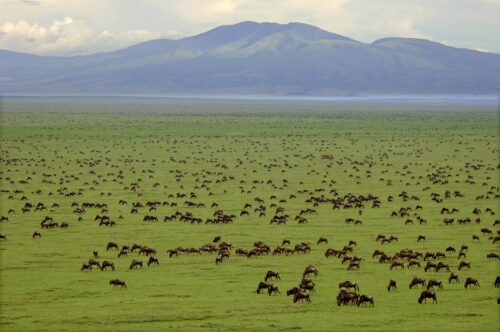
The Serengeti National Park is Tanzania’s crown jewel — 14,763 km² of open savanna woodland and riverine forest supporting the most diverse and abundant wildlife populations in Africa. The Serengeti is home to the Great Migration — the continuous year-round movement of 1.5 million wildebeest 200,000 zebras and 500,000 gazelles across the plains in search of fresh grass.
“For the complete Serengeti guide read our Serengeti National Park 2026 guide.”
The Serengeti is the world’s best destination for:
- Great Migration — spectacular year-round with January–February calving and July–October river crossings being the most dramatic phases
- Lion viewing — the Serengeti has one of the highest lion densities in Africa
- Leopard sightings — the riverine forest areas offer exceptional leopard encounters
- Cheetah — the open Serengeti plains are the finest cheetah habitat in East Africa
- Elephant herds — large breeding herds throughout the park
- Hot air balloon safaris — one of the world’s most romantic wildlife experiences
Read our complete Great Migration Serengeti 2026 guide for the full month-by-month breakdown of where the migration is and when.
2. Ngorongoro Conservation Area — A Natural Wonder of the World
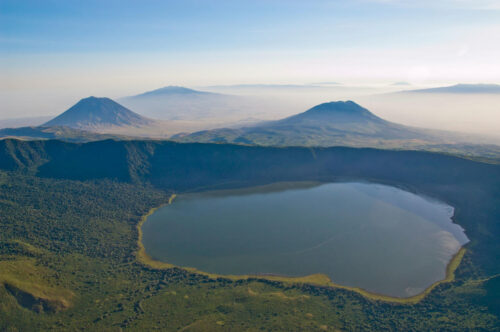
The Ngorongoro Crater is one of the seven natural wonders of Africa and one of the most extraordinary wildlife experiences on Earth. The world’s largest intact volcanic caldera — 19 km across and 600 metres deep — shelters a completely self-contained ecosystem of approximately 25,000 animals that rarely leave the crater floor.
What makes Ngorongoro unique:
- Highest lion density in Africa — multiple prides visible on most game drives
- Black rhinos — one of East Africa’s last viable wild black rhino populations
- Elephants — large-tusked bulls unique to the crater
- Flamingos — thousands on the alkaline soda lake in the crater floor
- Year-round wildlife — all animals live permanently in the crater — exceptional viewing every month
- Crater rim lodges — staying on the crater rim with views 600 metres down is one of Africa’s most extraordinary lodge experiences
“For the complete Ngorongoro guide read our Ngorongoro Crater visitor guide 2026.”
For families honeymooners and first-time Tanzania visitors the Ngorongoro Crater is often the single most talked-about experience of the entire trip.
3. Zanzibar — The Perfect Safari Finale
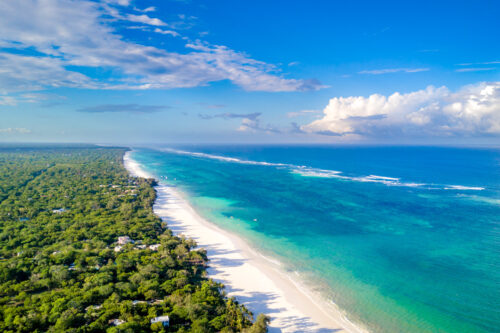
Zanzibar is one of the world’s most beautiful island destinations — and its location just off the Tanzanian coast makes it the perfect finale to any Tanzania safari. Most visitors spend 4–7 nights in Zanzibar after their Serengeti and Ngorongoro experience.
Zanzibar offers:
- White sand beaches — among the finest in the Indian Ocean
- Turquoise water — warm clear and perfect for swimming snorkelling and diving
- UNESCO Stone Town — the atmospheric Arab-African old town of Zanzibar City — a fascinating half-day exploration
- Spice tours — Zanzibar is the original Spice Island — cloves nutmeg vanilla and cinnamon are all grown here
- World-class resorts — from boutique beach lodges to ultra-luxury properties
- Marine life — outstanding coral reef diving and snorkelling particularly in the north and east of the island
For honeymooners combining a Tanzania safari with Zanzibar beach is one of the most perfect travel formulas in the world. Read our honeymoon safari East Africa guide for the complete romantic itinerary.
“Complete your Tanzania safari with our Zanzibar travel guide 2026.”
👉 Plan your Zanzibar beach extension
4. Mount Kilimanjaro
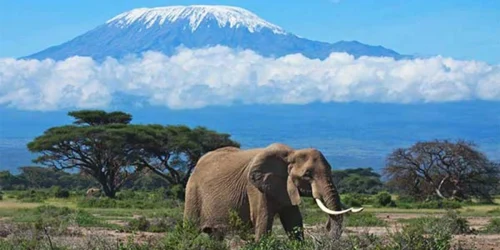
Mount Kilimanjaro is Africa’s highest peak at 5,895 metres — a free-standing volcanic mountain rising dramatically above the surrounding plains on the Kenya-Tanzania border. Climbing Kilimanjaro is one of the world’s great trekking bucket-list experiences — accessible to fit non-technical climbers via several well-established routes.
Key Kilimanjaro facts:
- Height: 5,895 metres (19,341 feet) — Africa’s highest point
- Climb duration: 6–9 days depending on route
- Success rate: Approximately 65% overall — higher on longer routes
- Best routes: Lemosho (most scenic) · Machame (most popular) · Marangu (easiest)
- Best time: January–March and June–October
- Permit required: Kilimanjaro National Park entry and climbing permit
Many Tanzania safari visitors combine a Kilimanjaro climb with a Serengeti safari and Zanzibar beach for one of the world’s most complete East Africa travel experiences.
👉 Ask about Kilimanjaro climbing packages
5. Tarangire National Park — Tanzania’s Hidden Gem
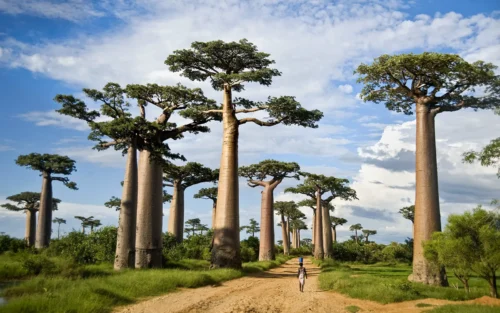
Tarangire National Park is one of Tanzania’s most beautiful and most underrated major parks — a landscape of ancient giant baobab trees seasonal swamps and the Tarangire River that attracts extraordinary concentrations of elephants and other wildlife during the dry season (June–October).
Tarangire is outstanding for:
- Elephants — Tarangire has some of the largest elephant concentrations in Tanzania during dry season — herds of 200–300 animals gather around the river
- Tree-climbing lions — a small population of tree-climbing lions found in the fever trees along the Tarangire River
- Baobab trees — the ancient giants of Tarangire create one of Africa’s most distinctive and photogenic safari landscapes
- Birding — over 550 bird species — one of Tanzania’s finest birding destinations
- Fewer crowds — far less visited than Serengeti or Ngorongoro making for a more exclusive experience
Tarangire is most commonly included as part of the Tanzania Northern Circuit — combined with Lake Manyara Ngorongoro and the Serengeti in a 7–10 day itinerary. “For the complete Tarangire experience read our Tarangire National Park 2026 guide.”
👉 Plan your Tanzania Northern Circuit
6. Lake Manyara National Park
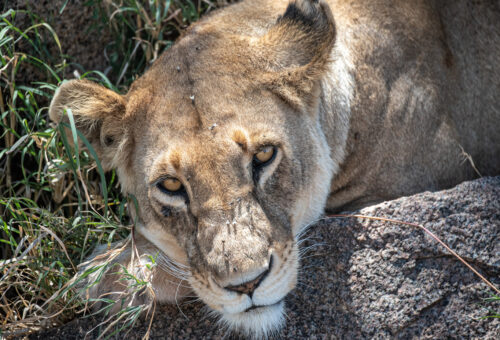
Lake Manyara National Park is a compact and extraordinarily beautiful park at the base of the Great Rift Valley escarpment — the sheer wall of the rift rising 600 metres above the western shore of the park creates one of Tanzania’s most dramatic landscapes.
Lake Manyara is famous for:
- Tree-climbing lions — a highly unusual behaviour documented here and in Tarangire — lions regularly climb and rest in the branches of fever trees
- Hippo pools — large pods of hippos visible in the lake shallows
- Flamingos — thousands of lesser and greater flamingos on the alkaline lake shore
- Bird diversity — 400+ species including large flocks of pelicans storks herons and ibis
- Elephants — relaxed herds often encountered at close range in the forest zone
Lake Manyara is typically visited as part of the Tanzania Northern Circuit — a perfect 2-night combination with the Ngorongoro Crater which sits just 2 hours away on the crater rim road.
👉 Plan your Lake Manyara visit
7. Ruaha and Nyerere — Tanzania’s Wild South
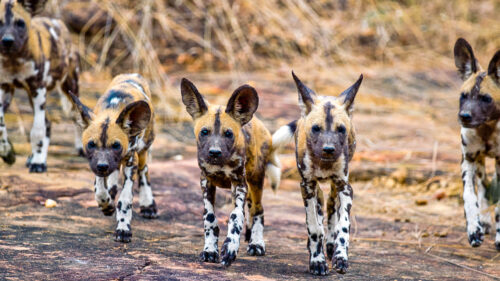
For travellers seeking the most exclusive and least-visited Tanzania safari experience Ruaha National Park and Nyerere National Park (formerly Selous Game Reserve) in southern Tanzania offer a completely different experience from the famous northern circuit parks.
Ruaha National Park:
- Tanzania’s second largest national park — vast wild and extraordinarily pristine
- Outstanding lion populations — some of Africa’s largest lion prides
- Significant African wild dog population — one of the best places in East Africa to see wild dogs
- Enormous elephant herds — over 10,000 elephants
- Virtually no crowds — a private Africa experience
Nyerere National Park:
- Africa’s largest protected area — 50,000 km² of rivers lakes and savanna
- Famous for boat safaris on the Rufiji River — extraordinary hippo crocodile and bird encounters
- One of Africa’s largest wild dog populations
- Walking safaris available — one of the few Tanzania parks where this is permitted
Both parks are accessed by domestic flight from Dar es Salaam — approximately 1–1.5 hours. Go Safaris Africa arranges complete southern circuit itineraries combining Ruaha and Nyerere.
Best Time to Visit Tanzania
| Season | Months | Safari Conditions |
|---|---|---|
| Long dry season | June–October | ⭐⭐⭐⭐⭐ Best overall |
| Short dry season | January–February | ⭐⭐⭐⭐ Excellent |
| Calving season | January–February | ⭐⭐⭐⭐⭐ Best for Ndutu migration |
| Mara River crossings | July–October | ⭐⭐⭐⭐⭐ Most dramatic migration |
| Long rains | March–May | ⭐⭐⭐ Lower prices lush scenery |
| Short rains | November | ⭐⭐⭐ Brief showers good value |
For the Great Migration month-by-month guide read our complete Great Migration Serengeti 2026 guide.
Combine Tanzania with Rwanda Gorilla Trekking
The ultimate East Africa safari combines Tanzania wildlife with Rwanda gorilla trekking — two of Africa’s most extraordinary experiences in a single trip.
The combination:
- Days 1–3: Rwanda — gorilla trekking in Volcanoes National Park
- Days 4–7: Tanzania — Serengeti Great Migration safari
- Day 8: Ngorongoro Crater
- Days 9–11: Zanzibar beach
Getting there: Fly Kigali → Kilimanjaro via Nairobi — approximately 3–4 hours total travel time. Seamless and easy.
This combination — gorillas and migration — is consistently described by travellers as the greatest wildlife trip they have ever taken.
👉 Read our gorilla trekking Rwanda guide 👉 Read our Kenya vs Tanzania safari comparison 👉 Plan your combined Rwanda and Tanzania safari
Tanzania Safari Costs
| Safari Type | Cost Per Person Per Day |
|---|---|
| Budget group safari | $150–$250 |
| Mid-range private safari | $300–$500 |
| Luxury private safari | $600–$1,200 |
| Ultra-luxury mobile camp | $800–$2,500+ |
Tanzania park fees (approximate):
- Serengeti National Park: $82 per person per day
- Ngorongoro Conservation Area: $80 per person per day + crater fee per vehicle
- Tarangire National Park: $53 per person per day
- Lake Manyara National Park: $53 per person per day
A typical 7-day Tanzania Northern Circuit safari (Tarangire + Lake Manyara + Ngorongoro + Serengeti) costs approximately:
- Budget: $2,500–$3,500 per person
- Mid-range: $4,000–$6,000 per person
- Luxury: $8,000–$15,000+ per person
👉 Contact Go Safaris Africa for a precise Tanzania safari quote
Popular Tanzania Itineraries
7-Day Tanzania Northern Circuit
Day 1: Arrive Kilimanjaro → Arusha Day 2: Tarangire National Park (elephants + baobabs) Day 3: Lake Manyara (tree-climbing lions + flamingos) Days 4–6: Serengeti National Park (3 nights — migration + predators) Day 7: Ngorongoro Crater full day → Kilimanjaro → depart
10-Day Tanzania Complete Safari + Zanzibar
Days 1–7: Tanzania Northern Circuit (as above) Days 8–10: Zanzibar island (beach + Stone Town + snorkelling)
14-Day Ultimate East Africa — Rwanda + Tanzania
Days 1–3: Rwanda → Kigali + gorilla trekking Volcanoes National Park Days 4–7: Tanzania → Serengeti Great Migration safari Day 8: Ngorongoro Crater Days 9–11: Zanzibar beach Days 12–14: Optional — Kenya Maasai Mara or return home
👉 Contact Go Safaris Africa to plan your Tanzania itinerary
Why Book Your Tanzania Safari with Go Safaris Africa
Go Safaris Africa is a Kigali-based East Africa safari specialist — combining deep Rwanda and Uganda expertise with complete Tanzania safari planning. We design Tanzania safaris as standalone experiences or as part of combined East Africa adventures including Rwanda gorilla trekking.
- ✅ Tailor-made Tanzania itineraries for every budget
- ✅ Combined Rwanda gorilla + Tanzania safari packages
- ✅ Domestic flight and lodge bookings handled
- ✅ Expert driver-guides throughout
- ✅ 24/7 support before and during your safari
- ✅ Transparent pricing — no hidden fees
📞 Call or WhatsApp: +250 788 365 595 📧 info@gosafarisafrica.com 🌐 www.gosafarisafrica.com
Plan your Tanzania safari today →
Frequently Asked Questions
What is the best time to visit Tanzania for a safari? June–October (long dry season) is the best overall — excellent wildlife viewing across all parks and the Mara River crossings of the Great Migration. January–February is outstanding for Ndutu calving season in the southern Serengeti. Read our Great Migration Serengeti 2026 guide for the complete month-by-month breakdown.
Do I need a visa for Tanzania? Yes — most nationalities require a Tanzania visa available on arrival or as an e-visa online for $50 USD. Check current requirements before travel as these can change.
How do I get to Tanzania from Rwanda? Fly Kigali (KGL) to Kilimanjaro (JRO) via Nairobi — approximately 3–4 hours total including the connection. Kenya Airways and Ethiopian Airlines operate this route daily. Go Safaris Africa arranges complete flight and ground package bookings.
Can I combine Tanzania with Rwanda gorilla trekking? Absolutely — this is one of our most popular combinations. Gorilla trekking in Rwanda followed by the Great Migration in Tanzania is widely described as the greatest wildlife trip in the world. Contact us to plan your combined itinerary.
Is the Great Migration in Tanzania or Kenya? Both — the migration is a continuous circular journey between Tanzania’s Serengeti and Kenya’s Maasai Mara. The wildebeest spend approximately 8–9 months in Tanzania and 2–3 months in Kenya. Read our complete Kenya vs Tanzania safari comparison and Great Migration guide.
What is the best Tanzania safari for first-time visitors? The Tanzania Northern Circuit — Tarangire Lake Manyara Ngorongoro Crater and Serengeti — in 7–10 days is the perfect introduction. Add Zanzibar for 3–5 nights of beach relaxation afterwards. Contact Go Safaris Africa for a personalised first-time Tanzania itinerary.
How much does a Tanzania safari cost? A 7-day mid-range Tanzania Northern Circuit safari costs approximately $4,000–$6,000 per person including accommodation park fees transport and guiding. See our complete cost guide above or contact us for a precise quote.
Is Tanzania safe for tourists? Yes — Tanzania is a stable and welcoming country with a well-established tourism industry. The northern safari circuit and Zanzibar island are very safe for international visitors. Standard travel precautions apply.
Go Safaris Africa — Kigali-based safari experts specialising in gorilla trekking and tailor-made East Africa adventures. 📍 Prince House Second Floor Office #5 Kigali Rwanda 📞 +250 788 365 595 | 🌐 www.gosafarisafrica.com