
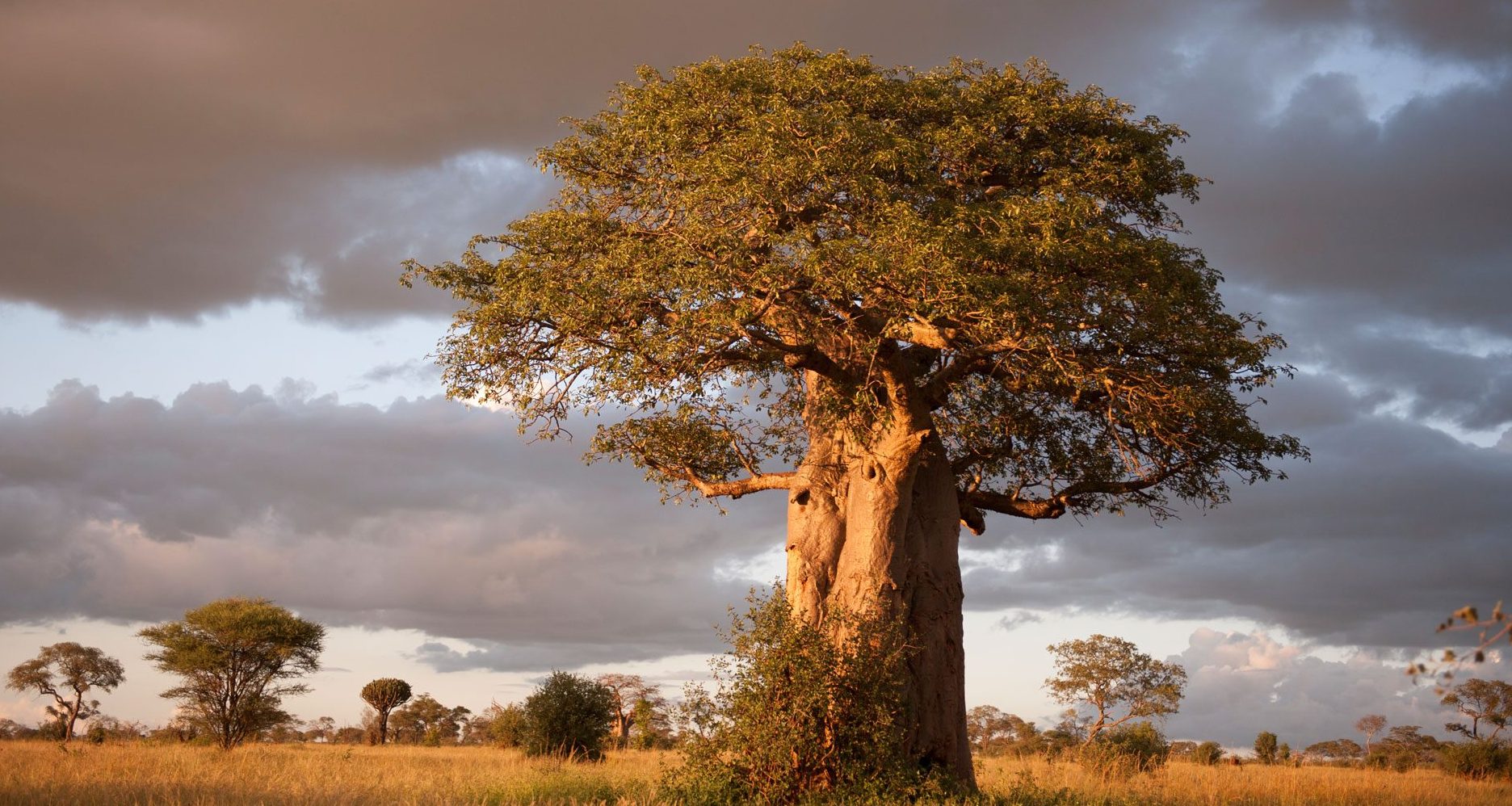
Tarangire National Park is Tanzania’s most underrated major safari destination and one of Africa’s most spectacular wildlife parks. Known for its extraordinary concentration of elephants its ancient giant baobab trees its tree-climbing lions and its exceptional dry season wildlife viewing Tarangire National Park consistently surprises and delights visitors who arrive expecting a secondary destination and leave declaring it the highlight of their Tanzania safari.
Located in northern Tanzania just 2 hours from Arusha Tarangire National Park is most commonly visited as the first stop on the Tanzania Northern Circuit — combining with Lake Manyara Ngorongoro Crater and the Serengeti in one of Africa’s greatest safari itineraries. But Tarangire National Park deserves more than a single day — its extraordinary diversity of habitats wildlife and landscapes rewards those who stay longer with some of the finest safari experiences available anywhere in East Africa.
This complete guide covers everything you need to know about visiting Tarangire National Park in 2026 — the wildlife the baobabs the elephants game drives costs best time to visit where to stay how to get there and how to combine it with gorilla trekking in Rwanda for the ultimate East Africa adventure.
Tarangire National Park: Essential Facts
| Location | Northern Tanzania — Manyara Region |
| Size | 2,850 km² |
| Altitude | 1,000m – 1,500m |
| Established | 1970 as national park |
| Main river | Tarangire River — the park’s lifeline |
| Elephant population | 3,000+ — one of Tanzania’s largest concentrations |
| Key feature | Ancient giant baobab trees + extraordinary dry season wildlife |
| Distance from Arusha | 120 km — approximately 2 hours by road |
| Distance from Serengeti | 200 km — approximately 4 hours by road |
| Nearest airport | Kilimanjaro International (JRO) — 2.5 hours |
| Internal airstrip | Kuro airstrip — domestic flights available |
Why Tarangire National Park is Special
Tarangire National Park earns its growing reputation as one of Tanzania’s finest safari destinations through a combination of features that make it genuinely unique in the East African safari landscape:
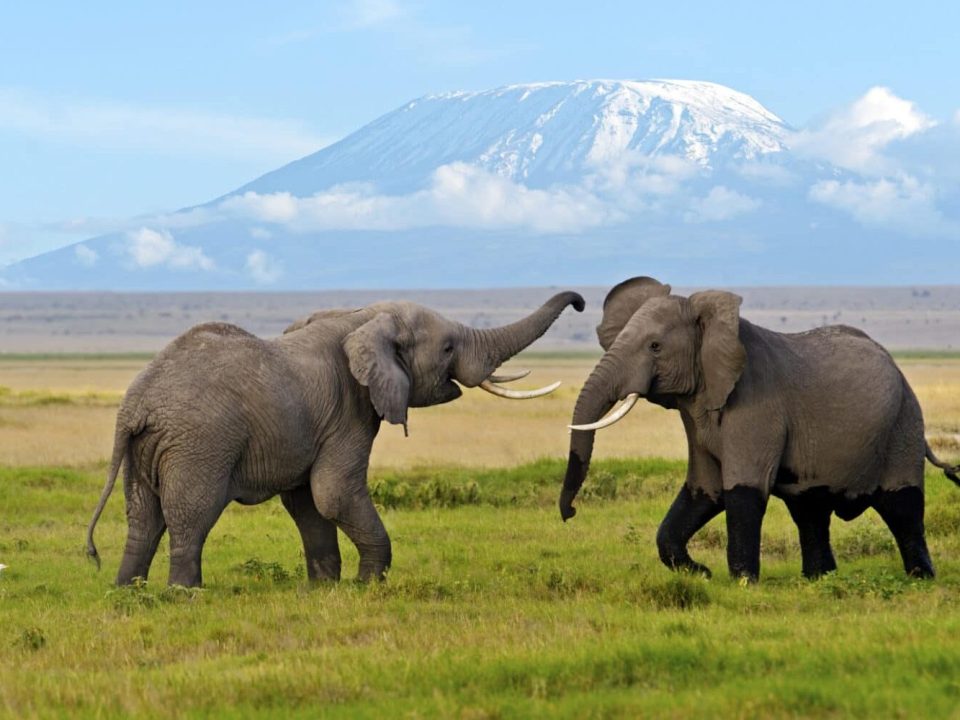
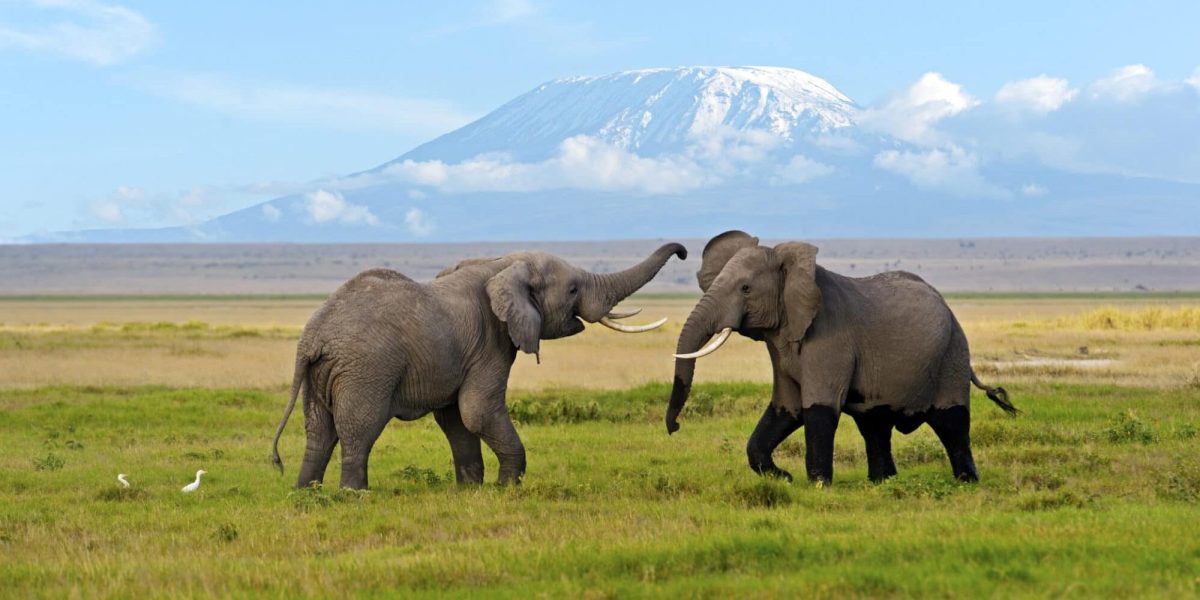
The elephants — extraordinary concentrations Tarangire National Park has one of the highest elephant concentrations in Tanzania — over 3,000 individuals drawn to the permanent Tarangire River during the dry season. When seasonal water sources dry up across the surrounding ecosystem the Tarangire River becomes the last reliable water source for hundreds of kilometres — drawing wildlife from across the region into the park in extraordinary numbers. At the peak of the dry season (August–October) elephant concentrations along the Tarangire River are among the most spectacular in Africa.
The baobabs — Africa’s most ancient trees Tarangire National Park contains one of the highest densities of giant baobab trees in Africa — ancient organisms some estimated to be over 1,000 years old with massive grey trunks measuring up to 25 metres in circumference. These extraordinary trees create a landscape unlike anywhere else in East Africa — a primordial prehistoric scene of enormous grey forms rising from golden savanna with elephant herds moving between them.
The baobab-elephant combination in Tarangire National Park produces some of the most distinctive and most photographed safari images in Tanzania — and is the primary reason photographers choose Tarangire over other northern circuit parks.
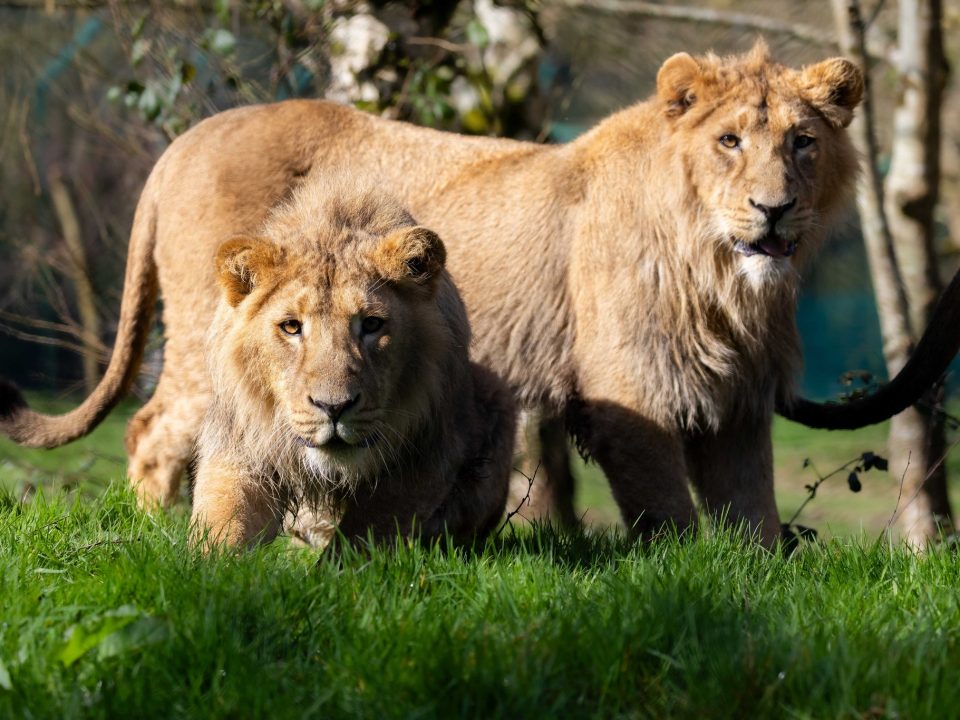
Tree-climbing lions Tarangire National Park has a small but well-documented population of tree-climbing lions — a behaviour that occurs in only a handful of locations across Africa. Lions regularly rest in the branches of fever trees and large acacias — particularly in the Silale Swamp area of the park. A Tarangire tree-climbing lion sighting is one of the most extraordinary and photogenic encounters available in Tanzania.
Lower visitor numbers Despite being part of the famous Tanzania Northern Circuit Tarangire National Park receives significantly fewer visitors than the Serengeti or Ngorongoro — creating a more exclusive and less crowded safari experience. In peak season when the Serengeti can feel busy Tarangire maintains a spacious uncrowded atmosphere that serious safari travellers treasure.
Exceptional birding With over 550 bird species Tarangire National Park is one of Tanzania’s premier birding destinations — particularly excellent for large flocks of waterbirds at the swamps and for raptors hunting over the open savanna.
Wildlife in Tarangire National Park
Elephants — The Stars of Tarangire
The elephant experience in Tarangire National Park is the finest in Tanzania and among the best in all of Africa. During the dry season (June–October) elephant concentrations along the Tarangire River reach extraordinary levels — herds of 200–300 animals moving to water crossing the river and gathering in the open savanna are a daily spectacle.
Key elephant zones in Tarangire:
- Tarangire River corridor — the single best elephant zone — particularly between Tarangire Lodge and Silale Swamp
- Silale Swamp — permanent water source attracting large elephant herds and extraordinary waterbird concentrations
- Lemiyon area — northern park zone with good elephant densities year-round
- Boundary Hill — southern park area with excellent elephant and predator viewing
The Tarangire elephants include some of Tanzania’s finest tuskers — large old bulls with enormous ivory that are among the most impressive elephants remaining in East Africa.
Tree-Climbing Lions
Tarangire National Park’s tree-climbing lions are one of its most unique and celebrated attractions. The behaviour is most common in the Silale Swamp area — lions rest in the branches of large fever trees overlooking the swamp apparently to escape biting insects and gain a vantage point over prey.
The Silale lions are well-habituated to vehicles and regularly visible from the track — a recumbent lion draped across fever tree branches against a Tarangire baobab landscape is one of the most extraordinary and most photographed wildlife images in Tanzania.
Leopards
Tarangire National Park has an excellent leopard population — favouring the riverine forest along the Tarangire River and the rocky outcrops of the southern park. Evening game drives along the river corridor are the best strategy for leopard sightings.
Cheetahs
Good cheetah populations on the open savanna zones of the northern park — particularly around Lemiyon. The relatively open landscape makes cheetah spotting easier than in more densely vegetated parks.
Buffalos
Large buffalo herds — sometimes hundreds of animals — concentrate around the permanent water sources in Tarangire National Park during dry season. Buffalo-lion interactions are regularly observed near the Silale Swamp area.
Wildebeest and Zebras
Enormous herds of wildebeest and plains zebras enter Tarangire National Park during the wet season (November–May) — sometimes numbering in the hundreds of thousands as part of a lesser-known circular migration within the Tarangire ecosystem. This wet season wildebeest and zebra concentration is one of Tanzania’s most spectacular and least visited wildlife events.
Giraffes
Maasai giraffes are abundant throughout Tarangire National Park — frequently seen feeding from the upper branches of acacia trees and moving gracefully between the giant baobabs. The combination of giraffes and baobabs creates extraordinary photographic opportunities.
African Wild Dogs
Tarangire National Park has one of Tanzania’s most reliable wild dog populations — several packs resident in the park that are occasionally encountered on game drives. Wild dog sightings are never guaranteed but are more likely here than in most northern Tanzania parks.
Pythons and Monitor Lizards
The riverine vegetation of Tarangire National Park supports large populations of African rock pythons — sometimes over 4 metres in length — and impressive Nile monitor lizards. Reptile enthusiasts find Tarangire extraordinarily rewarding.
Birdlife — 550+ Species
Tarangire National Park is one of Tanzania’s finest birding destinations:
The swamps attract extraordinary waterbird concentrations — yellow-billed storks marabou storks sacred ibis spoonbills herons egrets and large flocks of lesser flamingos on the alkaline margins.
The baobab trees provide nesting sites for remarkable species including:
- Von der Decken’s hornbill — nests exclusively in baobab cavities
- Yellow-collared lovebird — Tanzania endemic found commonly in Tarangire
- Rufous-tailed weaver — Tanzania endemic
The open savanna hosts:
- Kori bustard — the world’s heaviest flying bird
- Secretary bird — stalking elegantly through the grass
- Ostrich — family groups on the open plains
- Numerous raptor species — martial eagle bateleur fish eagle
The Tarangire River attracts:
- Giant kingfisher — Africa’s largest kingfisher
- African fish eagle — calling from riverside trees
- Saddle-billed stork — spectacular wading in the shallows
The Tarangire Ecosystem — Beyond the National Park
Tarangire National Park is the core of a much larger ecosystem — the Tarangire-Manyara Ecosystem — covering approximately 20,000 km² of protected and community land. Understanding this larger ecosystem is important for Tarangire National Park visitors because it explains the seasonal wildlife movements that make the park so extraordinary.
The Seasonal Migration
Tarangire National Park experiences a lesser-known but extraordinary seasonal wildlife migration:
Dry season (June–October): Wildlife concentrates inside the national park — drawn by the permanent Tarangire River. Elephant concentrations peak. Wildlife viewing is at its most spectacular.
Wet season (November–May): Wildlife disperses across the broader ecosystem following rainfall and fresh grass. Wildebeest and zebra numbers inside the park actually increase as herds from the Maasai steppe move into the park. Different but equally spectacular.
This pattern makes Tarangire National Park outstanding year-round — just different. Unlike the Serengeti where the experience is highly dependent on migration timing Tarangire delivers excellence in every season.
Community Conservation Areas
Several community wildlife management areas adjoin Tarangire National Park — offering exclusive tented camp experiences with private game drives off-road driving and walking safaris not available inside the national park. These conservancy areas include Randilen Wildlife Management Area and Makuyuni Wildlife Management Area.
Game Drives in Tarangire National Park
Main Game Drive Areas
The Tarangire River Corridor The single most productive game drive zone in Tarangire National Park — following the river from the main entrance gate southward through the heart of the park. Elephant herds gather here throughout the day. Leopards hunt in the riverine forest. Lions rest in the shade of large acacias and fever trees.
Silale Swamp In the southern park — one of the most productive wildlife zones in the entire Tanzania Northern Circuit. Permanent water attracts extraordinary wildlife concentrations including the tree-climbing lions buffalo herds elephant families and exceptional waterbird flocks.
Lemiyon Plains The northern area of Tarangire National Park — excellent open savanna with good cheetah and wild dog populations. The baobab density in this area is extraordinary — some of the largest and most photogenic specimens in the park.
Boundary Hill and Gursi The southern reaches of Tarangire National Park — wilder and less visited. Excellent elephant viewing and some of the finest landscape scenery in the park.
Best Timing for Game Drives
Dawn game drive (5:30am–9:00am): Best for predators — particularly leopards returning from night hunts and lions in the trees at Silale. The morning light on the baobabs is extraordinary.
Late afternoon game drive (3:30pm–6:30pm): Elephants gather at water in the late afternoon in large numbers. Lion activity picks up as temperatures cool. The sunset light on the baobab landscape is one of Tanzania’s most beautiful safari scenes.
Full day game drive: Essential for experiencing Tarangire National Park properly — particularly the distant Silale Swamp and Lemiyon areas that require time to reach and explore.
Best Time to Visit Tarangire National Park
Dry Season Peak — June to October ⭐⭐⭐⭐⭐
The best overall time for Tarangire National Park — and for good reason. As seasonal water sources dry up across the Maasai steppe the Tarangire River becomes the last reliable water in the region. The result is extraordinary — wildlife concentrations that rival anything in East Africa.
Elephant concentrations peak in August–October — hundreds and sometimes thousands of elephants gathered along the river create scenes of wildlife spectacle that are genuinely unmatched in Tanzania outside of the Serengeti Migration.
August–October also brings the highest wildlife density overall with predators concentrated where prey is concentrated. Outstanding lion leopard and cheetah viewing.
July is slightly earlier in the dry season — still excellent but building toward the August–October peak.
Short Dry Season — January to February ⭐⭐⭐⭐
Excellent conditions — dry enough for good game viewing with less extreme elephant concentrations than peak dry season. Fewer visitors. Good value. Highly recommended for wildlife and photography.
Green Season — November to May ⭐⭐⭐⭐
The green season in Tarangire National Park is different but deeply rewarding:
November–December: Short rains arrive. The landscape transforms dramatically — golden savanna becomes vivid green. Wet season wildebeest and zebra migration into the park begins. Baby animals abundant. Dramatically lower lodge rates.
March–May: Long rains. Heaviest rainfall. Tracks can be muddy but accessible with 4×4. Extraordinary lush scenery. Lowest visitor numbers. Exceptional birding as migrants arrive. Lowest lodge rates of the year.
The green season Tarangire National Park experience — lush vivid landscapes ancient baobabs draped in new leaves vast wildebeest herds and almost no other vehicles — is extraordinary for photographers and those seeking exclusivity.
Where to Stay in Tarangire National Park
Ultra-Luxury ($500–$2,000+ per person per night)
&Beyond Tarangire Tree Lodge ⭐⭐⭐⭐⭐ One of Africa’s most extraordinary safari lodges — 20 tree houses built into ancient baobab trees in the southern Tarangire National Park. Each tree house is constructed around and into a living baobab — sleeping inside an ancient baobab tree with the sounds of the African night surrounding you is one of the most extraordinary accommodation experiences available anywhere in Africa.
The lodge has its own private concession area with night drives and walking safaris in addition to standard game drives. Outstanding guiding exceptional cuisine and complete exclusivity. One of Tanzania’s most celebrated properties.
Price: $800–$2,000+ per person per night all-inclusive
Sanctuary Swala ⭐⭐⭐⭐⭐ Intimate luxury camp in the heart of Tarangire National Park — 12 spacious tents beautifully furnished with excellent views over the surrounding savanna. Outstanding guiding exceptional food and warm personal service. The most consistently excellent mid-to-luxury property in the park.
Price: $500–$1,000 per person per night all-inclusive
Luxury ($300–$500 per person per night)
Lemala Mpingo Ridge ⭐⭐⭐⭐ Beautiful lodge on a ridge above the Tarangire River with panoramic views across the park. Modern design comfortable tents excellent guiding and outstanding sunset views. One of Tarangire National Park’s finest value luxury options.
Nimali Tarangire ⭐⭐⭐⭐ Intimate luxury camp with excellent location and outstanding guiding. Beautiful design warm service and excellent wildlife access.
Oliver’s Camp ⭐⭐⭐⭐ Small exclusive camp in the southern Tarangire National Park — famous for outstanding walking safaris with highly trained and experienced guides. The best walking safari experience available in Tarangire.
Mid-Range ($150–$300 per person per night)
Tarangire Sopa Lodge Well-established mid-range lodge inside the national park with comfortable rooms reliable service and good wildlife access year-round.
Tarangire Safari Lodge One of the original Tarangire lodges — beautifully located on a bluff above the Tarangire River with outstanding elephant views directly from the lodge. Comfortable rooms good food and exceptional river views.
Maramboi Tented Lodge Good mid-range option in the ecosystem outside the national park boundary — excellent for combining Tarangire National Park with Lake Manyara.
Budget ($60–$150 per person per night)
Sangaiwe Tented Lodge Affordable tented camp near the park with basic but comfortable facilities and good value.
Public campsites Basic camping facilities inside Tarangire National Park — bring all equipment. Extraordinary atmosphere.
Getting to Tarangire National Park
By Road from Arusha (2 hours)
Tarangire National Park is just 120 km from Arusha on a good tarmac road — the most easily accessible of Tanzania’s major northern circuit parks. The drive from Arusha to the main Tarangire gate takes approximately 2 hours.
This accessibility makes Tarangire National Park the perfect first day destination for Tanzania Northern Circuit safaris — entering the park in the afternoon on Day 1 and doing a full day game drive on Day 2 before continuing south to Lake Manyara.
By Domestic Flight
Kuro airstrip inside Tarangire National Park receives domestic flights from Kilimanjaro (approximately 40 minutes) and Arusha (approximately 20 minutes). Flying is the most comfortable option for travellers joining longer Tanzania circuits from the Serengeti or other distant parks.
Go Safaris Africa arranges all domestic flight bookings as part of Tanzania safari packages.
As Part of the Tanzania Northern Circuit
Tarangire National Park is almost always visited as the first stop on the classic Tanzania Northern Circuit — the sequence of parks that constitutes Tanzania’s most famous safari route:
Arusha → Tarangire National Park (1–2 nights) → Lake Manyara (1 night) → Ngorongoro Crater (1–2 nights) → Serengeti National Park (3–4 nights) → fly to Zanzibar or return Kilimanjaro
Read our Serengeti National Park complete guide and Ngorongoro Crater visitor guide for the rest of the circuit.
Tarangire National Park Costs
Park Fees
- Adult entry: $53 USD per person per day
- Vehicle fee: $40 USD per vehicle per day
The lower park fees compared to the Serengeti ($82/day) and Ngorongoro ($80/day) make Tarangire National Park one of the best-value parks on the Tanzania Northern Circuit.
Total Safari Costs
| Safari Level | Cost Per Person Per Day |
|---|---|
| Budget | $150–$250 |
| Mid-range | $280–$450 |
| Luxury | $500–$1,000 |
| Ultra-luxury | $800–$2,500+ |
Typical 2-night Tarangire safari total (as part of Northern Circuit):
- Budget: $500–$700 per person
- Mid-range: $900–$1,500 per person
- Luxury: $1,500–$3,000 per person
Combining Tarangire National Park with Rwanda Gorilla Trekking
One of the most extraordinary East Africa itineraries combines Rwanda gorilla trekking with the Tanzania Northern Circuit including Tarangire National Park:
Days 1–3: Rwanda → Kigali + gorilla trekking Volcanoes National Park Day 4: Fly Kigali → Kilimanjaro via Nairobi Days 5–6: Tarangire National Park (elephants + baobabs + tree-climbing lions) Day 7: Lake Manyara (tree-climbing lions + flamingos) Days 8–11: Serengeti National Park (Great Migration) Day 12: Ngorongoro Crater Days 13–14: Zanzibar beach
This 14-day itinerary — gorillas elephants Migration and Indian Ocean beach — is one of the world’s greatest travel experiences. Contact Go Safaris Africa to plan yours.
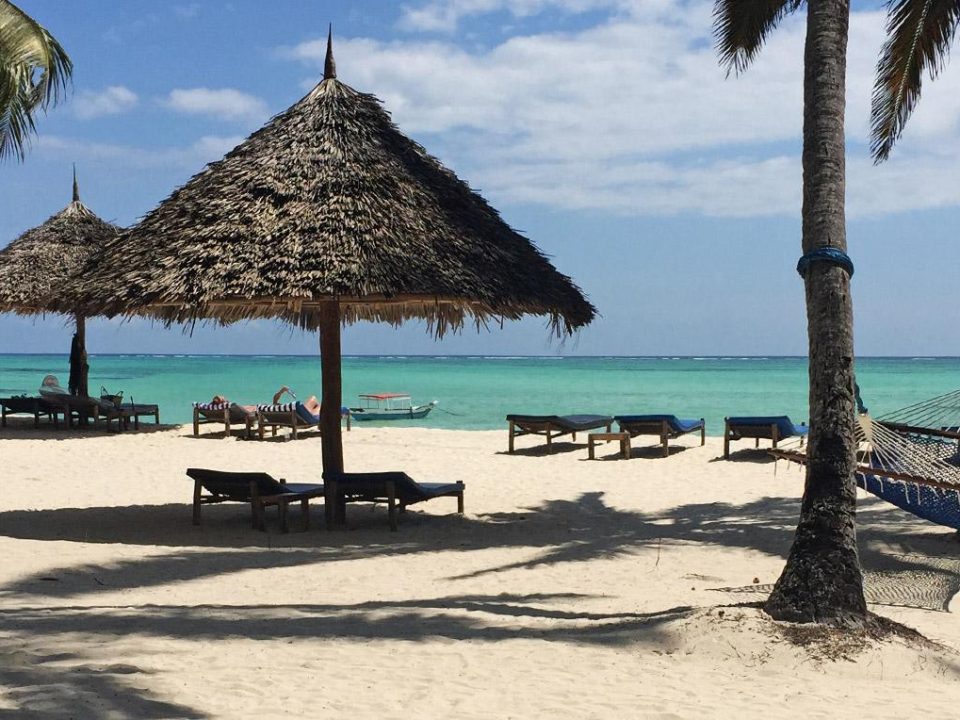
👉 Rwanda gorilla trekking guide 👉 Serengeti National Park complete guide 👉 Zanzibar travel guide
Book Your Tarangire National Park Safari with Go Safaris Africa
Go Safaris Africa plans and operates Tarangire National Park safaris as part of complete Tanzania Northern Circuit itineraries or combined with Rwanda gorilla trekking for the ultimate East Africa wildlife experience.
- 👉 View Tanzania safari packages
- 👉 Serengeti National Park complete guide
- 👉 Ngorongoro Crater complete guide
- 👉 Kenya vs Tanzania safari comparison
- 👉 Contact us for a free Tanzania safari quote
📞 Call or WhatsApp: +250 788 365 595 📧 info@gosafarisafrica.com 🌐 www.gosafarisafrica.com
Frequently Asked Questions
What is Tarangire National Park famous for? Tarangire National Park is famous for its extraordinary elephant concentrations during the dry season its ancient giant baobab trees its tree-climbing lions and its exceptional birding with 550+ species. It is Tanzania’s most underrated major safari park and consistently surprises visitors with its extraordinary wildlife.
When is the best time to visit Tarangire National Park? June–October (dry season) for maximum elephant concentrations and the best overall wildlife viewing. August–October is the peak elephant season. January–February also excellent. See our complete seasonal guide above.
How many elephants are in Tarangire National Park? Over 3,000 elephants — one of Tanzania’s largest elephant populations. During dry season hundreds of elephants concentrate along the Tarangire River creating extraordinary viewing opportunities.
Does Tarangire National Park have tree-climbing lions? Yes — Tarangire National Park has a documented population of tree-climbing lions particularly in the Silale Swamp area of the southern park. A rare behaviour found in only a handful of African locations.
How do I get to Tarangire National Park? Just 2 hours by road from Arusha — the most accessible of Tanzania’s major northern circuit parks. Domestic flights to Kuro airstrip are also available. Go Safaris Africa arranges all transfers.
Is Tarangire National Park worth visiting? Absolutely — it is one of Africa’s finest and most underrated safari parks. Many visitors rate it their Tanzania highlight ahead of the more famous Serengeti and Ngorongoro. The combination of elephants baobabs and tree-climbing lions is unique in Tanzania.
Can I combine Tarangire with Rwanda gorilla trekking? Yes — fly Kigali to Kilimanjaro (via Nairobi) then road to Tarangire. A combined Rwanda gorilla trekking and Tanzania Northern Circuit itinerary is one of the world’s greatest safari combinations. Contact us to plan your itinerary.
What other parks should I combine with Tarangire? Tarangire National Park is the perfect first stop on the Tanzania Northern Circuit — combine with Lake Manyara Ngorongoro Crater and Serengeti for the complete northern Tanzania experience. Add Zanzibar for the perfect beach finale. Read our Zanzibar travel guide.
Go Safaris Africa is a Kigali-based safari operator specialising in gorilla trekking wildlife safaris and tailor-made adventures across Rwanda Uganda Kenya and Tanzania. 📍 Prince House Second Floor Office #5 Kigali Rwanda 📞 +250 788 365 595 | 🌐 www.gosafarisafrica.com