
Akagera National Park is one of Africa’s greatest conservation comeback stories and one of Rwanda’s most exciting and underrated safari destinations. Located in the eastern corner of Rwanda on the border with Tanzania, Akagera is the country’s only savanna national park — a completely different Rwanda experience from the misty Virunga volcanoes and the rainforests of Nyungwe.
While gorilla trekking in Volcanoes National Park is Rwanda’s most famous wildlife experience, Akagera National Park offers something equally extraordinary — a classic African Big Five safari with lions, black rhinos, elephants, leopards, and buffalos roaming across open savanna, acacia woodland, and a stunning chain of lakes and wetlands.
This complete guide covers everything you need to know about visiting Akagera National Park in 2026 — the wildlife, the conservation story, game drives, boat safaris, permits, lodges, best time to visit, and how to combine it with gorilla trekking for the ultimate Rwanda safari.
Akagera National Park: Essential Facts
| Location | Eastern Rwanda — Kayonza and Kirehe Districts |
| Size | 1,122 km² |
| Altitude | 1,250m – 1,825m |
| Established | 1934 — Rwanda’s oldest national park |
| Management | Rwanda Development Board + African Parks |
| Big Five status | ✅ All five present |
| Lakes | 8 lakes including Lake Ihema |
| Distance from Kigali | 110 km — approximately 2.5 hours |
| Distance from Uganda border | 30 km north |
| Main gate | Akagera Main Gate (south) |
The Akagera Conservation Story — Africa’s Greatest Comeback
To fully appreciate Akagera National Park today you need to understand where it came from. The story of Akagera is one of the most extraordinary conservation recoveries in African history.
The Devastation
Before 1994 Akagera National Park covered 2,500 km² and was one of East Africa’s finest wildlife destinations — home to large elephant herds, lions, black rhinos, and abundant savanna wildlife.
The 1994 genocide changed everything. In the aftermath hundreds of thousands of returning Rwandan refugees settled inside the park boundaries — clearing land, grazing cattle, and eliminating most of the wildlife. By the early 2000s Akagera had been reduced to just 1,122 km² — less than half its original size — and the lions, rhinos, and most large predators had been completely eliminated.
The Recovery
In 2010 the Rwanda Development Board entered a partnership with African Parks — one of the world’s most respected conservation organisations — to manage Akagera National Park. The transformation has been remarkable:
2015: Lions reintroduced from South Africa — seven lions flew into Akagera in specially designed crates. Today the lion population has grown to over 70 individuals in multiple prides.
2017: Black rhinos reintroduced — 18 eastern black rhinos translocated from European zoos as part of a carefully managed breeding programme. A second translocation in 2019 added more individuals.
Today: Akagera supports a thriving Big Five ecosystem — lions, black rhinos, elephants, leopards, and buffalos — alongside giraffes, zebras, hippos, crocodiles, topis, impalas, and over 500 bird species.
The Akagera conservation story is proof that with committed management and investment even severely degraded ecosystems can recover. When you visit Akagera National Park you are witnessing living conservation history.
Wildlife in Akagera National Park
The Big Five
Lions Akagera’s lion population — reintroduced in 2015 — has grown rapidly and now includes multiple prides spread across the southern and central savanna. Lions are regularly seen on game drives particularly in the Mutumba Hills area and around Lake Mihindi.
Early morning game drives offer the best lion viewing — the Akagera lion prides are active hunters and dawn often reveals the aftermath of a successful night hunt or lions returning from a kill.
Black Rhinos Akagera is one of the few places in East Africa where you can still see black rhinos — one of Africa’s most critically endangered animals. With only approximately 6,000 black rhinos remaining in the world a sighting in Akagera National Park is genuinely precious.
The rhinos are monitored 24 hours a day by dedicated anti-poaching rangers. Sightings are not guaranteed — black rhinos are solitary and secretive — but when they are found the experience is extraordinary.
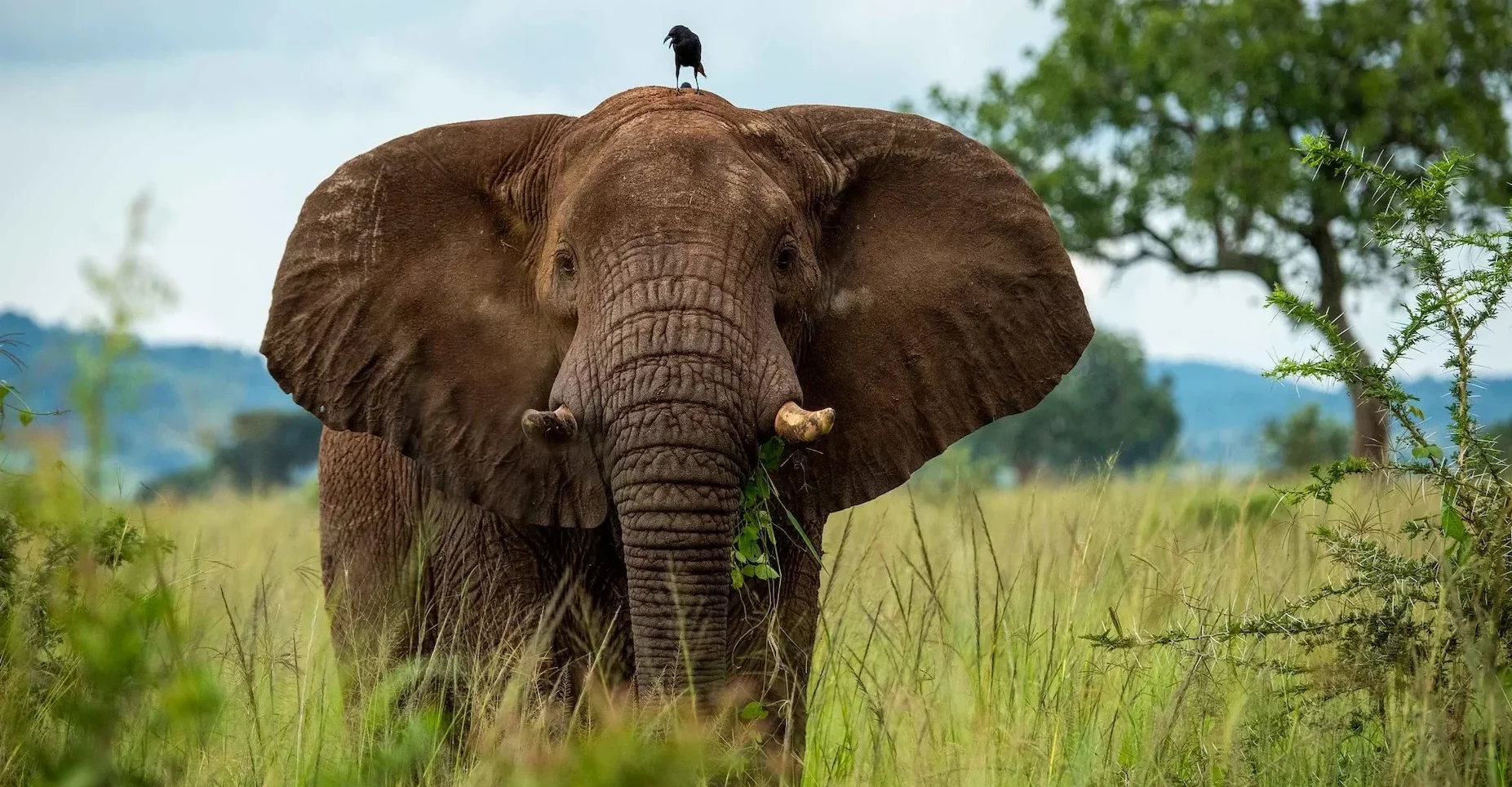
Elephants Large elephant herds roam the northern woodland areas of Akagera National Park — sometimes numbering 50–100 individuals. Elephant encounters in Akagera are excellent — the herds are well-habituated to vehicles and often approach very close.
Leopards Present throughout Akagera National Park but as always with leopards — elusive and rarely seen. Leopard sightings are special events that experienced Akagera guides know how to find by reading tracks, listening for alarm calls from impala and baboon, and patrolling known leopard territories at dawn and dusk.
Buffalos Akagera has large buffalo herds — sometimes hundreds of animals — spread across the savanna plains. Buffalo are one of the most reliable Big Five sightings in the park and one of the most photographically dramatic — enormous dark herds moving across golden grass with acacia trees and blue hills behind them.
“For the full story of Rwanda’s conservation achievements read our Rwanda conservation success story.”
Other Key Wildlife
Giraffes Akagera has a good population of Masai giraffes — elegant and photogenic against the acacia woodland backdrop of the park’s central areas. Giraffes are one of the most reliably seen species in Akagera National Park.
Zebras Large herds of Burchell’s zebras roam the open savanna areas — particularly abundant in the Rugenda plains of the southern park.
Hippos Lake Ihema and the other lakes in Akagera’s chain contain some of East Africa’s highest hippo concentrations. The boat safari on Lake Ihema reveals hippo pods of 30–50 animals wallowing in the shallows at extraordinarily close range.
Nile Crocodiles Large Nile crocodiles — some exceeding 4 metres — are abundant in Akagera’s lakes. The boat safari provides remarkable close-up views of crocodiles basking on lake banks.
Topis The topi — a beautiful reddish-brown antelope with distinctive blue-black patches — is one of Akagera’s most characteristic species. Large topi herds are a reliable and photogenic sight across the park’s open grasslands.
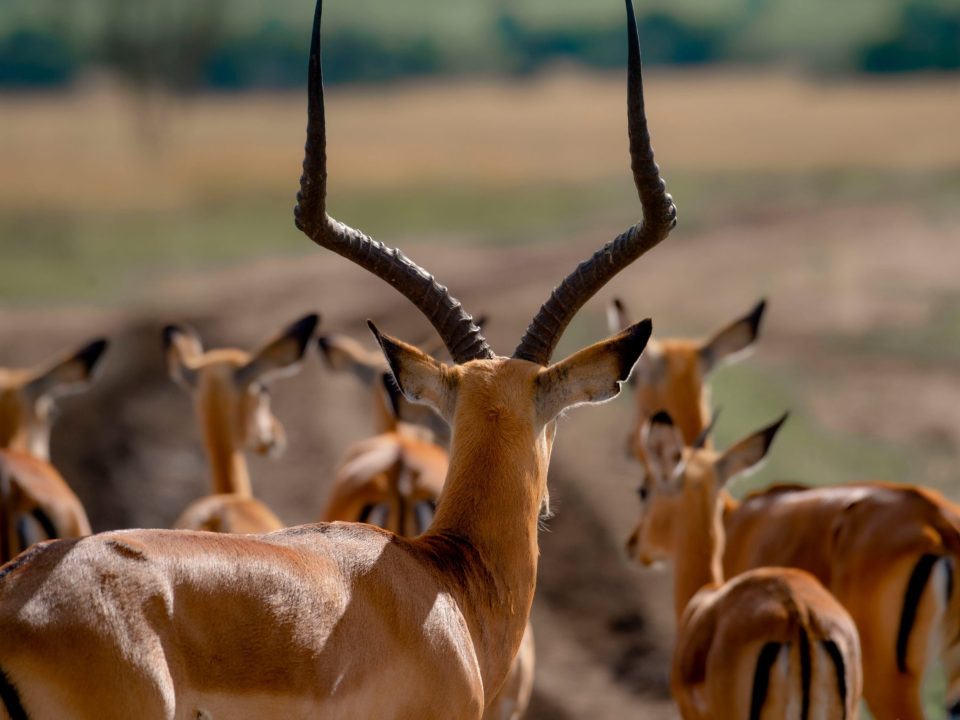
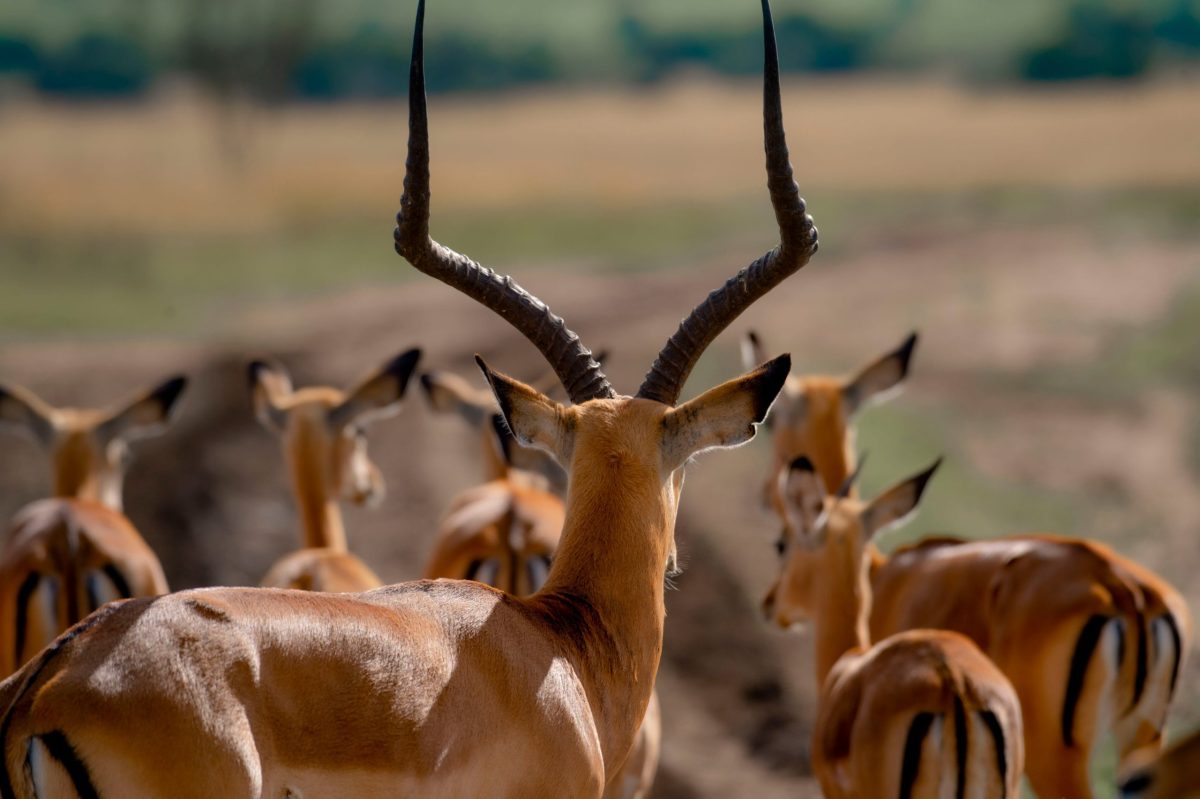
Impalas Extraordinarily abundant throughout Akagera National Park — the park’s most numerous antelope species and an important prey species for the reintroduced lions.
Uganda Kob Found in the northern areas of Akagera close to the Uganda border — the same species that is Uganda’s national animal and abundant in Queen Elizabeth National Park.
Olive Baboons Large troops of olive baboons are found throughout the park — entertaining to watch and an important part of the ecosystem as prey for leopards and indicators of predator presence.
Warthogs Ubiquitous and entertaining — warthogs trotting across the savanna with their tails held straight up are one of the most characteristically African sights in Akagera National Park.
African Wild Dogs An exciting recent development — African wild dogs have been sighted in Akagera National Park on multiple occasions in recent years. Whether these are establishing a resident population or transient individuals from Tanzania is being monitored. A wild dog sighting in Akagera would be extraordinarily rare and special.
Birdlife — 500+ Species
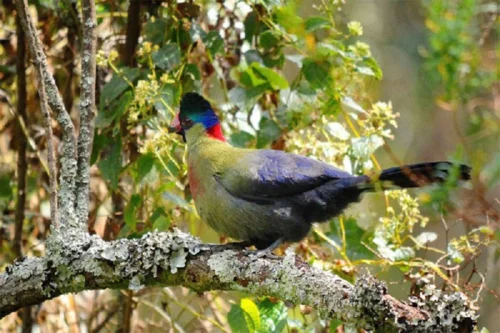
Akagera National Park is one of Rwanda’s premier birding destinations — its diverse habitats of savanna, woodland, wetland, and lakeshore support over 500 bird species including several that are rare or difficult to find elsewhere in Rwanda.
Key species to look for:
Shoebill Stork — the prehistoric-looking shoebill is one of Africa’s most sought-after birds and Akagera National Park is one of the most reliable places in Rwanda to find it. The papyrus swamps along the lake chain are prime shoebill habitat — a boat safari significantly improves your chances.
Grey Crowned Crane — Rwanda’s national bird and one of Africa’s most beautiful. Regularly seen in pairs and small flocks across Akagera’s open grasslands.
African Fish Eagle — abundant along the lakeshores — their iconic call is the definitive sound of the African bush.
Martial Eagle — Africa’s largest eagle and one of the most impressive raptors on the continent. Occasionally seen soaring over Akagera National Park’s open areas.
Saddle-billed Stork — one of Africa’s most spectacular waterbirds — the red and yellow saddle-bill makes identification unmistakable.
Papyrus Gonolek — a beautiful red and black papyrus specialist found in the swamp margins. Endemic to papyrus wetlands.
African Openbill — large flocks of openbills are commonly seen on the lake margins.
Long-crested Eagle — frequently perched on roadside trees along Akagera’s tracks.
Pel’s Fishing Owl — one of Africa’s most sought-after nocturnal birds — the vast lakeside forests of Akagera are prime habitat.
Activities in Akagera National Park
1. Game Drives — The Core Experience
Game drives are the primary activity in Akagera National Park and the best way to explore the park’s diverse habitats. Two types of game drive are available:
Self-drive game drives: Akagera National Park is one of the few parks in Rwanda where self-drive is permitted — making it accessible for independent travellers with their own 4×4 vehicle. The park has a network of well-maintained tracks covering the main wildlife areas. A detailed track map is available at the main gate.
Guided game drives: Guided game drives with Akagera’s experienced ranger guides offer a significantly richer wildlife experience — guides know the lion pride territories, the black rhino monitoring information, and the best spots for specific species at different times of day. Go Safaris Africa provides experienced driver-guides for all Akagera game drives.
Best game drive timing:
- Dawn game drive (5:30am–9:00am): Best for lions, leopards, and large predators. The golden morning light is spectacular for photography.
- Late afternoon game drive (3:30pm–6:30pm): Excellent for predator activity as temperatures cool. Beautiful sunset light.
- Midday (10:00am–3:00pm): Wildlife is least active — most animals shelter from the midday heat.
Game drive fees:
- Park entry fee: $40 USD per person per day
- Vehicle fee: $40 USD per vehicle per day
2. Boat Safari on Lake Ihema — The Highlight
The boat safari on Lake Ihema is one of the highlights of any Akagera National Park visit — and one of the best waterway wildlife experiences in all of East Africa.
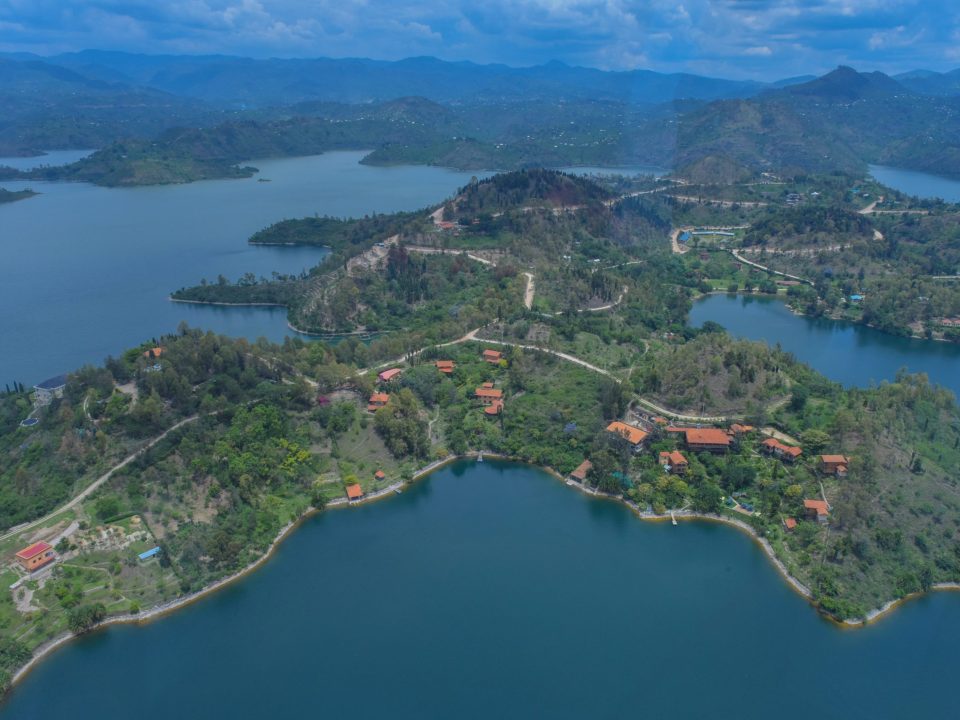
Lake Ihema is the largest of Akagera’s 8 lakes — a beautiful 90 km² body of water fringed with papyrus swamps, riverine forest, and open grassland that sweeps down to the water’s edge. The lake is home to one of East Africa’s highest concentrations of hippos and Nile crocodiles.
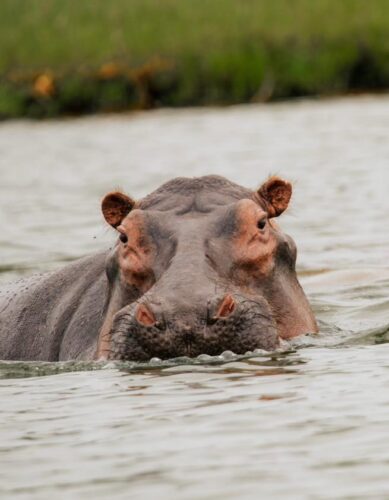
The 2-hour boat safari departs from the main jetty near Akagera Game Lodge and drifts slowly along the lake shore and through the papyrus channels past:
- Hippo pods of 30–80 animals at extraordinarily close range — you drift within metres of enormous pods of hippos lounging and yawning in the shallows
- Nile crocodiles up to 4 metres basking on exposed banks in the morning sun
- African fish eagles diving for fish in spectacular displays — sometimes just metres from the boat
- Goliath herons — the world’s largest heron — standing motionless in the shallows
- Elephants coming down to drink and bathe in the early morning
- Buffalo herds on the grass slopes above the lake shore
- Papyrus gonolek and other papyrus specialists in the reed beds
- Shoebill stork — in the papyrus swamps with luck and a good guide
Boat safari fees: $35 USD per person Duration: 2 hours Departure times: 7:00am and 3:00pm
3. Night Game Drive
Akagera National Park offers night game drives — one of the few Rwanda national parks to do so. Night drives reveal a completely different cast of wildlife:
- Lions — most active at night and most easily spotted by spotlight
- Leopards — nocturnal hunters active after dark
- African civets — beautiful and rarely seen in daylight
- Bush babies — enormous eyes reflecting the spotlight from tree branches
- Porcupines — shuffling through the undergrowth
- African wild cats — the ancestor of the domestic cat
- Nightjars — several species resting on the warm tracks
- Genets — elegant nocturnal carnivores
Night drive fees: $40 USD per person Duration: Approximately 3 hours after sunset Availability: Booked through Akagera Game Lodge or through Go Safaris Africa
4. Sport Fishing on Lake Shakani
Akagera National Park offers sport fishing on Lake Shakani — targeting Nile perch (which can exceed 100kg) and tigerfish. A unique and exciting activity for fishing enthusiasts — surrounded by African savanna scenery and wildlife.
Fishing permit: $50 USD per person Equipment: Available for hire at the park
5. Rhino Trekking — Special Experience
A unique experience exclusive to Akagera National Park — guided rhino tracking on foot with dedicated rhino monitoring rangers. Following the tracks of black rhinos through the acacia woodland on foot — accompanied by rangers who monitor the animals daily — is an extraordinary wildlife experience.
Rhino trekking fees: $150 USD per person Group size: Maximum 6 people Booking: Through Go Safaris Africa in advance — limited availability
6. Birding Walks
Guided birding walks along the lake shores and wetland edges with specialist birding guides. Akagera’s extraordinary bird diversity — 500+ species — rewards dedicated birding time with excellent species lists including papyrus specialists, raptors, waterbirds, and the sought-after shoebill.
Birding walk fees: $30 USD per person Duration: 2–3 hours Best timing: Early morning
Best Time to Visit Akagera Park
Dry Season — June to September and December to February ⭐⭐⭐⭐⭐
The best time to visit Akagera National Park. During the dry season:
- Vegetation thins out making wildlife easier to spot
- Animals concentrate around the permanent lakes and waterholes — predictable wildlife viewing
- Lions are most visible — hunting activity increases as prey species concentrate near water
- Tracks are in best condition — easier driving throughout the park
- Photography conditions are excellent — clear skies and beautiful light
June–September is peak season — coinciding with Rwanda’s best gorilla trekking conditions. Book accommodation well in advance.
Wet Season — March to May and October to November ⭐⭐⭐
Akagera National Park remains open and rewarding during the rainy season:
- The savanna turns spectacularly green and lush
- Newborn animals appear — calves, foals, and lambs are abundant
- Birdlife is at its peak — migratory species arrive and breeding plumage is spectacular
- Lodge rates drop 20–30%
- Tracks can become muddy — a 4×4 is essential
For a complete seasonal guide read our best time to visit Rwanda guide.
Getting to Akagera National Park
From Kigali (Most Common Route)
Akagera National Park is 110 km east of Kigali — approximately 2.5 hours by road via the RN3 highway through Kayonza.
The road is well-maintained tarmac all the way to the park gate — making Akagera National Park one of the most accessible national parks in Rwanda.
Go Safaris Africa provides comfortable 4×4 transfers from Kigali to Akagera as part of all Rwanda safari packages.
From Volcanoes National Park (For Combined Safaris)
The drive from Volcanoes National Park to Akagera National Park takes approximately 4.5–5 hours via Kigali — making a one-way stopover in Kigali practical for multi-day Rwanda safari itineraries.
This is the classic route for our 7-day Rwanda safari itinerary — gorilla trekking in the west followed by Big Five game drives in the east.
From Uganda (Cross-Border)
Akagera National Park’s northern boundary is just 30 km from the Rwanda-Uganda border at Kagitumba. Travellers crossing from Uganda on the eastern route can enter Akagera National Park directly from the border — a very convenient routing for combined Uganda-Rwanda safari itineraries. Read our 10-day Uganda safari itinerary for cross-border itinerary details.
Where to Stay in Akagera National Park
Luxury
Mantis Akagera Game Lodge ⭐⭐⭐⭐ The flagship luxury lodge of Akagera National Park — beautifully positioned on a hill overlooking Lake Ihema with sweeping views across the water and savanna. 50 well-appointed rooms and suites with private balconies lake views swimming pool excellent restaurant and full bar.
The lodge is ideally positioned for both game drives and boat safaris — the Lake Ihema boat jetty is just minutes away. A team of experienced Akagera ranger guides is based at the lodge for all guided activities.
Price range: $350–$600 per person per night full board
Ruzizi Tented Lodge ⭐⭐⭐⭐ A more intimate and romantic option — 6 luxury tents on a private lakeside peninsula on Lake Ihema. Each tent has a private deck directly overlooking the water — hippos are often visible from the tent deck at night and early morning.
Ruzizi offers a more exclusive and atmospheric experience than Mantis — fewer guests more personal service and an extraordinary feeling of being genuinely in the wilderness.
Price range: $300–$500 per person per night full board
Budget and Mid-Range
Karenge Bush Camp ⭐⭐⭐ A simple but well-run tented camp in the southern part of Akagera National Park — affordable and well-located for game drives. Basic but comfortable tents with shared facilities.
Price range: $80–$150 per person per night
Akagera Community Campsite Basic camping facilities near the park headquarters for independent travellers and budget adventurers. Bring your own equipment.
Price range: $15–$30 per person per night
Combining Akagera Game Safari with Gorilla Trekking
Akagera National Park is most powerfully experienced as part of a complete Rwanda safari itinerary — combined with gorilla trekking in Volcanoes National Park for a safari that covers the full extraordinary range of Rwanda’s wildlife.
The Classic Rwanda Circuit
This is exactly the itinerary we recommend to all first-time Rwanda visitors:
Day 1: Arrive Kigali Day 2: Transfer to Volcanoes National Park → golden monkey trek Day 3: Gorilla trekking — Volcanoes National Park Day 4: Transfer to Lake Kivu → relaxation Day 5: Transfer to Kigali → afternoon at leisure Day 6: Transfer to Akagera National Park → afternoon game drive Day 7: Dawn game drive + Lake Ihema boat safari → return Kigali → depart
This 7-day itinerary covers gorillas golden monkeys Lake Kivu and Big Five game drives — the complete Rwanda experience. Read our complete 7-day Rwanda safari itinerary for the full day-by-day guide.
Why Add Akagera to Your Rwanda Safari
Many first-time Rwanda visitors focus entirely on gorilla trekking and miss Akagera National Park completely. Here is why that is a mistake:
It completes the Rwanda wildlife picture — gorillas in the west and Big Five in the east. Rwanda is one of the only countries in Africa where you can experience both primates and savanna wildlife in a single one-week itinerary.
It is accessible — just 2.5 hours from Kigali on excellent roads. No domestic flight needed.
It is genuinely excellent — the reintroduced lion and rhino populations make Akagera one of the most exciting Big Five destinations in East Africa right now.
The boat safari is extraordinary — Lake Ihema’s hippo and crocodile concentrations rival anything in East Africa.
It rounds out a complete Rwanda story — from the Virunga volcanoes to the eastern savanna Rwanda reveals itself as one of Africa’s most diverse and extraordinary countries.
Practical Information for Akagera Park
Park Fees Summary
| Fee | Cost |
|---|---|
| Adult entry | $100 USD per person per day |
| Vehicle fee | $40 USD per vehicle per day |
| Boat safari | $35 USD per person |
| Night game drive | $40 USD per person |
| Rhino trekking | $150 USD per person |
| Sport fishing | $50 USD per person |
| Birding walk | $30 USD per person |
What to Bring
The same safari essentials as any East Africa game drive — neutral-coloured clothing, binoculars, camera, sunscreen, insect repellent, and water. Read our complete safari packing guide.
Health and Safety
- Malaria risk area — antimalarial medication essential
- Sun protection critical in the open savanna — hat and sunscreen
- Stay in your vehicle during game drives unless instructed otherwise by your guide
- The lakes contain crocodiles — do not wade or swim in any lake or river in the park
Wildlife Viewing Ethics
- Never leave the designated tracks
- Do not feed any wildlife
- Maintain a respectful distance from all animals
- Follow all ranger and guide instructions
Book Your Akagera National Park Safari
Go Safaris Africa plans and operates Akagera National Park safaris as part of complete Rwanda safari itineraries — combining Big Five game drives with gorilla trekking for the ultimate Rwanda wildlife experience.
📞 Call or WhatsApp: +250 788 365 595 📧 info@gosafarisafrica.com 🌐 www.gosafarisafrica.com
Frequently Asked Questions
Does Akagera National Park have the Big Five? Yes — Akagera National Park has all Big Five: lions (reintroduced 2015), black rhinos (reintroduced 2017 and 2019), elephants, leopards, and buffalos. Rwanda is one of the only countries where you can see both mountain gorillas and Big Five wildlife in a single safari.
How far is Akagera National Park from Kigali? Akagera National Park is 110 km east of Kigali — approximately 2.5 hours on well-maintained tarmac roads. Go Safaris Africa provides comfortable 4×4 transfers as part of all Rwanda safari packages.
Can I do a self-drive safari in Akagera? Yes — Akagera National Park permits self-drive with your own 4×4 vehicle. Track maps are available at the main gate. However a guided game drive with Akagera’s experienced ranger guides offers significantly better wildlife sightings especially for lions and black rhinos.
What is the best time to visit Akagera National Park? June–September and December–February offer the best wildlife viewing — vegetation thins out animals concentrate near water and tracks are in the best condition. Read our best time to visit Rwanda guide for full seasonal details.
Is Akagera National Park worth visiting? Absolutely — Akagera National Park is one of Africa’s great conservation success stories and one of the most exciting Big Five destinations in East Africa. Combined with gorilla trekking it makes Rwanda one of the most wildlife-rich safari destinations on the continent.
Can I combine Akagera with gorilla trekking in Rwanda? Yes — this is the classic Rwanda safari combination. Gorillas in Volcanoes National Park in the west followed by Big Five game drives in Akagera in the east. Read our 7-day Rwanda safari itinerary for the complete combined itinerary.
Where is the best place to stay in Akagera National Park? Mantis Akagera Game Lodge offers the finest accommodation inside the park with beautiful Lake Ihema views. Ruzizi Tented Lodge is the most romantic and intimate option. Contact Go Safaris Africa for accommodation recommendations matched to your budget.
Can I see rhinos in Akagera National Park? Yes — Akagera National Park has a growing black rhino population following reintroductions in 2017 and 2019. Rhino sightings are not guaranteed — black rhinos are solitary and elusive — but dedicated rhino trekking on foot with monitoring rangers significantly improves your chances.
Go Safaris Africa is a Kigali-based safari operator specialising in gorilla trekking wildlife safaris and tailor-made adventures across Rwanda Uganda Kenya and Tanzania. 📍 Prince House Second Floor Office #5 Kigali Rwanda 📞 +250 788 365 595 | 🌐 www.gosafarisafrica.com