
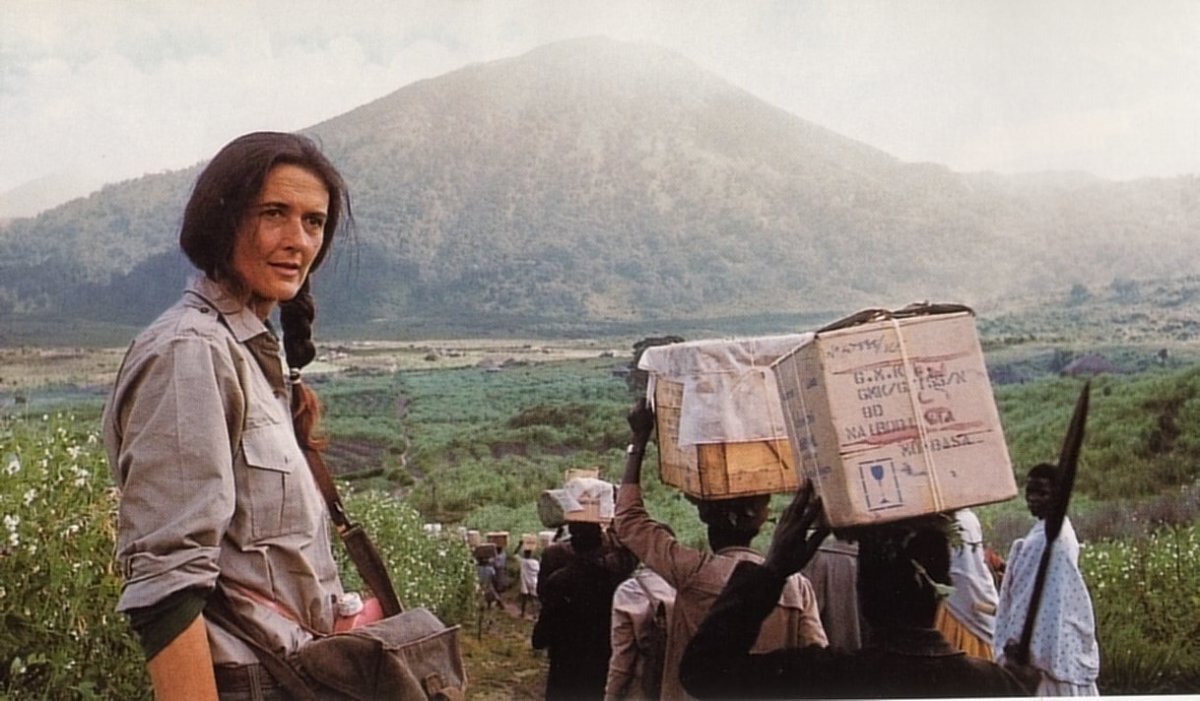
Dian Fossey Rwanda — the story of an American researcher who gave 18 years of her life to the mountain gorillas of the Virunga volcanoes and was murdered in her forest camp in 1985 — is one of the most extraordinary and moving stories in the history of wildlife conservation. Without Dian Fossey and the work she began in Rwanda’s Volcanoes National Park the mountain gorilla would almost certainly be extinct today.
Every gorilla trekking experience in Rwanda carries Dian Fossey’s legacy. The habituated gorilla families you trek with exist because of the research and conservation work she pioneered. The Rwanda Development Board permit system that funds gorilla protection was built on the foundation she established. The global awareness of mountain gorillas that drives conservation funding worldwide began with her work in the Virunga mist.
This complete guide covers everything you need to know about Dian Fossey Rwanda — her extraordinary life story the Karisoke Research Centre she founded the Dian Fossey tomb hike in Volcanoes National Park the Dian Fossey Gorilla Fund’s museum in Musanze and how her legacy continues to shape gorilla conservation today.
“For the full Rwanda conservation story read our Rwanda conservation success story guide.”
Who Was Dian Fossey?
Dian Fossey was an American zoologist and conservationist born in San Francisco California on January 16 1932. She had no formal zoology training when she first travelled to Africa in 1963 — she was an occupational therapist in Louisville Kentucky who had taken out a bank loan to fund a dream trip to East Africa.
During that 1963 trip she visited Olduvai Gorge in Tanzania where she met paleoanthropologist Louis Leakey — the man who would change the course of her life — and she made a brief excursion to the Virunga volcanoes where she caught her first glimpse of mountain gorillas.
The encounter with gorillas was transformative. When Leakey later sought a researcher to conduct a long-term field study of mountain gorillas — following his success funding Jane Goodall’s chimpanzee research and Biruté Galdikas’ orangutan research — he contacted Fossey. In 1966 she arrived in the Virunga mountains to begin what would become one of the most important and ultimately most tragic wildlife research projects in history.
Dian Fossey in Rwanda — The Karisoke Research Centre
Arriving in the Virungas
Dian Fossey initially established her research camp in the DRC side of the Virunga mountains in 1967. Political instability in DRC forced her to relocate just months later — she crossed the border into Rwanda and on September 24 1967 established the Karisoke Research Centre in the saddle between Mount Karisimbi and Mount Bisoke in what is now Volcanoes National Park.
The name Karisoke combines the names of the two volcanoes that flanked the camp — Karisimbi and Bisoke — a name Fossey herself coined for the research station she would call home for most of the next 18 years.
The Research
The research Fossey conducted at Karisoke was groundbreaking. Before her work virtually nothing was known about mountain gorilla behaviour social structure family dynamics or communication. The few scientific papers that existed were based on observations of captive animals — completely unreliable guides to gorilla behaviour in the wild.
Fossey spent months simply making herself present near gorilla groups — sitting quietly in the forest day after day allowing the gorillas to gradually accept her presence. Her patience was extraordinary. It took years before the gorillas fully habituated to her.
Once accepted into the gorillas’ world Fossey began documenting their lives with unprecedented intimacy. She named individual gorillas — Digit Peanuts Uncle Bert Macho — and recorded their behaviours social relationships births deaths and interactions over years of continuous observation.
Her most famous moment came in 1970 when a young male gorilla named Peanuts reached out and touched her hand — the first recorded deliberate physical contact between a wild gorilla and a human. The photograph of that moment — Fossey’s hand extended towards Peanuts in the forest — became one of the most famous wildlife images of the 20th century.
The Conservation Fight
Fossey’s research was extraordinary — but it was her fierce protection of the gorillas from poaching that defined the second half of her Karisoke years.
The mountain gorilla population was in catastrophic decline when she arrived. Poachers set wire snares throughout the forest to catch antelope and other animals — gorillas were caught in these snares and often died slowly from infected wounds or lost hands and feet to the wire. Baby gorillas were captured alive for sale to zoos — their entire family groups sometimes killed in the process of capturing a single infant.
Fossey declared war on poaching. She organised anti-poaching patrols destroyed snares and confronted poachers directly. Her tactics were controversial — she has been described as both a passionate conservationist and a dangerously confrontational operator depending on the source. What is beyond dispute is that her presence and her campaigns significantly reduced poaching pressure on the Virunga gorillas during her years at Karisoke.
The blow that most affected Fossey personally came on December 31 1977 — the last day of the year. Her favourite gorilla Digit — a young male she had known since he was a juvenile and who had become the focus of international fundraising campaigns — was killed by poachers. His head and hands were cut off and sold. Fossey’s grief was visible and profound. She channelled it into the establishment of the Digit Fund — later renamed the Dian Fossey Gorilla Fund — which continues its work today.
Gorillas in the Mist
Dian Fossey’s 1983 book Gorillas in the Mist — a memoir of her years at Karisoke and a record of her gorilla research — brought mountain gorillas to the attention of the world for the first time. The book was a global bestseller translated into dozens of languages and it fundamentally changed public understanding of gorillas — transforming their image from frightening King Kong monsters to intelligent sensitive family-oriented animals facing extinction.
The 1988 film adaptation starring Sigourney Weaver as Fossey introduced her story and the gorillas’ plight to an even wider global audience — driving conservation donations and international pressure on the governments of Rwanda Uganda and DRC to better protect the Virunga ecosystem.
“For the complete Rwanda vs DRC gorilla trekking comparison read our Rwanda vs DRC gorilla trekking guide.”
The Murder of Dian Fossey
On the morning of December 27 1985 Dian Fossey was found murdered in her cabin at the Karisoke Research Centre. She had been killed by a blow to the head from a panga — a machete-like tool commonly used in East Africa.
She was 53 years old.
Her murder was never officially solved. The Rwandan government initially charged and convicted an American researcher and Fossey’s tracker — a conviction widely regarded as a miscarriage of justice. The true perpetrators were never conclusively identified.
The leading theories point to poachers or individuals connected to the illegal gorilla trade whom Fossey had confronted directly during her years at Karisoke. Her uncompromising anti-poaching campaigns had made her powerful enemies among those who profited from the illegal wildlife trade.
Fossey was buried at Karisoke — next to the grave of Digit her beloved gorilla — in accordance with her own wishes. She had once said she wanted to be buried among her gorillas in the forest. That wish was honoured.
Her grave in the Volcanoes National Park forest — accessible via the Dian Fossey tomb hike — has become one of Rwanda’s most visited and most moving sites.
Visiting Dian Fossey Tomb
The Dian Fossey tomb hike is one of the most powerful and historically significant experiences available in Volcanoes National Park — a 3–4 hour guided trek through the ancient Virunga forest to the site of the Karisoke Research Centre and Fossey’s grave.
What to Expect on the Dian Fossey Tomb Hike
The trek begins at Volcanoes National Park Headquarters in Kinigi — the same departure point as gorilla and golden monkey treks. Your Rwanda Development Board ranger guide leads you up into the forest following one of the original research trails that Fossey herself walked countless times during her 18 years at Karisoke.
The terrain is moderately challenging — steep volcanic slopes through dense Afromontane forest similar to gorilla trekking terrain. Good hiking boots are essential. The trek up to the Karisoke site takes approximately 1.5–2 hours followed by time at the site and a return of similar duration.
The Karisoke Research Centre site The original research camp buildings are long gone — destroyed by forest and time and the chaos of the 1994 genocide period — but the clearing where they stood is still visible. Standing in the place where Fossey lived and worked for 18 years surrounded by the same ancient forest she loved gives you an extraordinary sense of connection with her story.
The gorilla graveyard The most emotionally significant part of the Dian Fossey tomb hike — a collection of graves for the gorillas Fossey studied and loved. The grave of Digit — killed by poachers in 1977 — is marked with a simple stone. Other gorillas including Uncle Bert and Macho who were also killed by poachers are buried nearby.
Standing at these graves knowing the individual stories of these animals — their personalities their family roles the violence of their deaths — is a deeply moving experience that reframes every aspect of the gorilla conservation story.
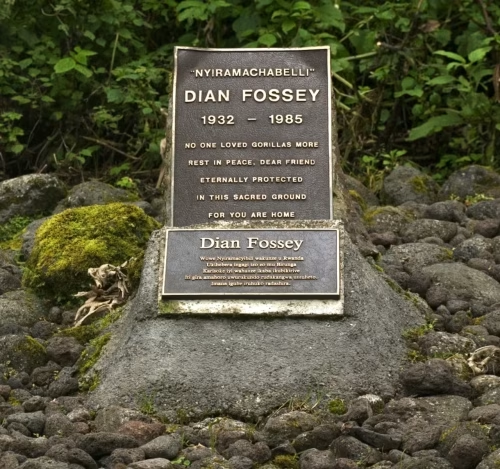
Dian Fossey’s grave Fossey’s own grave sits among those of her gorillas — simple and dignified marked with her name and dates. The inscription reads:
“Nyiramacibili” — the Kinyarwanda name the local people gave her meaning “the woman who lives alone on the mountain”
“No one loved gorillas more”
Visiting this grave after learning Fossey’s story — after having trekked with the mountain gorillas whose survival owes so much to her work — is one of the most affecting moments available to any Rwanda visitor.
Dian Fossey Tomb Hike — Practical Information
Permit cost: $75 USD per person Duration: 3–4 hours round trip (approximately 6 km) Difficulty: Moderate — similar terrain to gorilla trekking approach Departure: Kinigi Park Headquarters — same as gorilla and golden monkey treks Group size: Maximum 8 people per group Best combined with: Gorilla trekking (Day 1) and Dian Fossey hike (Day 2) — or golden monkey trek morning and Dian Fossey hike afternoon
What to bring:
- Waterproof hiking boots
- Long sleeves and trousers
- Rain jacket
- Water and snacks
- Camera
- Porter hire recommended ($15–$20)
Go Safaris Africa includes the Dian Fossey tomb hike as an option in all multi-day Rwanda safari packages.
The Dian Fossey Gorilla Fund — Her Legacy Continues
The Dian Fossey Gorilla Fund — established from the Digit Fund she founded after Digit’s death — continues Fossey’s work today and is one of the most effective gorilla conservation organisations in the world.
Operating continuously since 1978 the Dian Fossey Gorilla Fund:
Runs the Karisoke Research Centre — the most comprehensive long-term gorilla research programme in the world. Continuous daily monitoring of gorilla families in Volcanoes National Park has produced over 50 years of continuous gorilla behavioural data — the longest running primate study in Africa.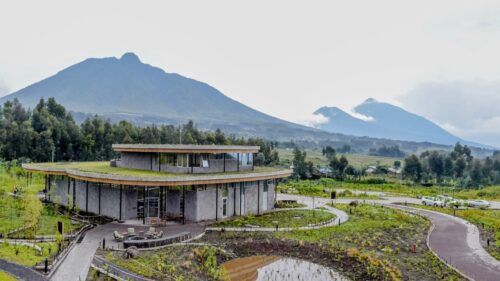
Operates the Ellen DeGeneres Campus — a state-of-the-art conservation and education centre opened in 2022 in Musanze near Volcanoes National Park. The campus houses the organisation’s research teams field operations education programmes and the Dian Fossey Gorilla Fund Museum.
Conducts daily gorilla health monitoring — veterinary teams track and monitor every habituated gorilla family daily recording health status identifying illness and intervening medically when necessary. This monitoring has been critical to the gorilla population’s recovery.
Trains Rwandan conservation professionals — the Fund is deeply committed to building Rwandan capacity in conservation science — training local researchers rangers and conservationists who will protect gorillas for generations.
Engages local communities — community development programmes in villages surrounding Volcanoes National Park give local people a direct stake in gorilla conservation — addressing the human-wildlife conflict that is the underlying driver of poaching.
The Dian Fossey Gorilla Fund Museum — Musanze
The Dian Fossey Gorilla Fund Museum in Musanze town is one of the most worthwhile cultural and educational stops on any Rwanda safari itinerary — and is located just 20 minutes from Volcanoes National Park Headquarters making it easy to combine with gorilla or golden monkey trekking.
What to See at the Museum
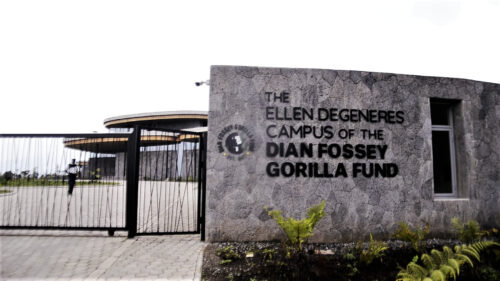
Dian Fossey’s life story — the museum tells the complete story of Fossey’s journey from occupational therapist in Louisville to wildlife conservation legend — through photographs personal items research notes and detailed exhibits covering her 18 years at Karisoke.
Mountain gorilla conservation history — the museum traces the history of mountain gorilla conservation from Fossey’s early research through the darkest years of population decline to the remarkable recovery story of the past three decades.
Current research and monitoring — exhibits covering the Dian Fossey Gorilla Fund’s current work — gorilla health monitoring community development programmes and the scientific research being conducted at Karisoke today.
The gorilla family exhibit — detailed profiles of the current habituated gorilla families in Volcanoes National Park including photographs family trees and individual gorilla histories. For visitors who have trekked or are about to trek this exhibit creates a deeply personal connection with the specific family members they will encounter.
Conservation science exhibits — covering the broader ecology of the Virunga ecosystem the threats facing mountain gorillas and the conservation strategies being employed to protect them.
Entry: The museum is free to enter — though donations to the Dian Fossey Gorilla Fund are encouraged and directly fund gorilla conservation work.
Opening hours: Daily 9:00am–5:00pm Location: Musanze town — approximately 20 minutes from Kinigi Park Headquarters
Fossey’s Legacy — The Mountain Gorilla Population Recovery
The most powerful tribute to Dian Fossey Rwanda is not the museum or the tomb or the film — it is the mountain gorillas themselves.
When Fossey arrived in the Virunga mountains in 1967 the mountain gorilla population had declined to approximately 240 individuals — a species on the very edge of extinction. The combination of poaching habitat loss and the fundamental ignorance of the outside world about gorillas’ existence and value was driving them towards oblivion.
Today — thanks to the foundation Fossey laid and the conservation work built upon it — the mountain gorilla population stands at approximately 1,063 individuals across the Virunga and Bwindi ranges. Mountain gorillas are the only great ape subspecies whose population is currently increasing.
This recovery is one of the greatest conservation success stories in history. It happened because:
- Fossey made the world care about gorillas
- Her research proved that gorillas were intelligent social family-oriented beings worthy of protection
- The international awareness she generated through her work and her book drove conservation funding
- The gorilla permit system she helped establish now generates millions of dollars annually for conservation
- The habituated gorilla families that drive Rwanda and Uganda’s gorilla tourism economy exist because of the habituation techniques she pioneered
Every gorilla trekking visitor in Rwanda walks trails that Fossey walked. Every gorilla family they encounter descends from families she studied. Every permit dollar that funds gorilla conservation connects back to the awareness she created.
Dian Fossey Rwanda is not just history. It is the living breathing reason mountain gorillas still exist.
How to Include Dian Fossey in Your Rwanda Safari
Option 1 — The Dian Fossey Tomb Hike ($75)
Trek to the Karisoke site and Fossey’s grave in Volcanoes National Park. The most direct and personal Dian Fossey Rwanda experience.
Best combined with: Gorilla trekking the previous day — the tomb hike has profound added meaning after meeting the gorillas Fossey dedicated her life to protecting.
Option 2 — Dian Fossey Gorilla Fund Museum (Free)
Visit the museum in Musanze on the day you arrive in the Volcanoes National Park area or on the afternoon after your gorilla trek. 2–3 hours. Free entry.
Best combined with: Arrival day at Volcanoes National Park — visit the museum in the afternoon before your gorilla trek the following morning. The museum context enriches the gorilla encounter enormously.
Option 3 — Both Museum and Tomb Hike
The complete Dian Fossey Rwanda experience: Day 1: Arrive Volcanoes NP area → afternoon Dian Fossey Museum (Musanze) Day 2: Gorilla trekking ($1,500 permit) Day 3: Dian Fossey tomb hike ($75) → return Kigali
This 3-day sequence delivers the complete Dian Fossey Rwanda narrative — learning her story before meeting the gorillas she saved then walking to her grave in the forest where she lived and died.
Option 4 — The Karisoke Research Experience
The Dian Fossey Gorilla Fund occasionally offers exclusive behind-the-scenes research experiences for donors and visiting scientists — accompanying the monitoring team on gorilla health checks and meeting the researchers who continue Fossey’s work. Contact Go Safaris Africa for information on current availability.
Dian Fossey in Context — The Trimates
Dian Fossey was one of three female researchers selected by Louis Leakey to conduct long-term field studies of great apes — a group that became known as Leakey’s Angels or the Trimates:
Jane Goodall — chimpanzee research at Gombe Tanzania beginning 1960. Still active in conservation today at age 90.
Dian Fossey — mountain gorilla research at Karisoke Rwanda beginning 1967. Murdered 1985.
Biruté Galdikas — orangutan research in Borneo beginning 1971. Still active in conservation today.
Together the three women transformed primatology — demonstrating that long-term field observation of wild great apes was both possible and scientifically essential. Their combined body of work changed our understanding of primate intelligence social behaviour and our relationship to the natural world.
Visiting Dian Fossey Rwanda and understanding her place in this larger story of scientific discovery and conservation adds profound context to the gorilla trekking experience.
Book Your Experience with Go Safaris Africa
Go Safaris Africa includes Dian Fossey Rwanda experiences — the tomb hike and museum visit — as part of all multi-day Rwanda safari packages. Our guides are deeply knowledgeable about Fossey’s story and bring her legacy to life throughout the Volcanoes National Park experience.
- 👉 View our Rwanda safari packages
- 👉 View our 3-day Rwanda safari package
- 👉 View our 7-day Rwanda safari itinerary
- 👉 Contact us for a free Rwanda quote
📞 Call or WhatsApp: +250 788 365 595 📧 info@gosafarisafrica.com 🌐 www.gosafarisafrica.com
Frequently Asked Questions
Who was Dian Fossey? Dian Fossey was an American zoologist and conservationist who conducted 18 years of mountain gorilla research at the Karisoke Research Centre in Rwanda’s Volcanoes National Park from 1967 until her murder in 1985. Her research and conservation work — documented in her book Gorillas in the Mist — is largely responsible for saving mountain gorillas from extinction.
Where is Dian Fossey buried? Dian Fossey is buried at the Karisoke Research Centre site in Volcanoes National Park Rwanda — next to the grave of her beloved gorilla Digit — in accordance with her own wishes. Her grave is accessible via the Dian Fossey tomb hike ($75 permit).
How was Dian Fossey killed? Dian Fossey was murdered in her Karisoke cabin on December 27 1985 — killed by a blow to the head from a panga. Her murder was never officially solved. The most widely accepted theory points to poachers or individuals connected to the illegal gorilla trade she had confronted directly during her years at Karisoke.
Can I visit Dian Fossey’s grave in Rwanda? Yes — the Dian Fossey tomb hike in Volcanoes National Park visits the Karisoke Research Centre site and Fossey’s grave for $75 per person. The 3–4 hour guided trek departs from Kinigi Park Headquarters. Contact Go Safaris Africa to include it in your Rwanda itinerary.
What is the Dian Fossey Gorilla Fund? The Dian Fossey Gorilla Fund is the conservation organisation Fossey founded (originally as the Digit Fund) that continues her gorilla research and conservation work today. It operates the Karisoke Research Centre runs daily gorilla monitoring conducts community development and operates the Ellen DeGeneres Campus and museum in Musanze Rwanda.
Is the Dian Fossey Museum free? Yes — the Dian Fossey Gorilla Fund Museum in Musanze is free to enter. Donations to support gorilla conservation are encouraged. Opening hours are 9:00am–5:00pm daily.
What is Gorillas in the Mist? Gorillas in the Mist is Dian Fossey’s 1983 memoir documenting her years at Karisoke and her gorilla research — one of the most important wildlife books ever written. It was adapted into a 1988 film starring Sigourney Weaver. Both book and film are essential reading/viewing before visiting Dian Fossey Rwanda.
How did Dian Fossey save the mountain gorillas? Fossey saved mountain gorillas through her anti-poaching campaigns her research that made gorillas known and loved worldwide her fundraising that created conservation resources and her work establishing the habituation model that now underpins gorilla tourism revenue funding conservation across Rwanda and Uganda. The mountain gorilla population has grown from approximately 240 when she arrived to over 1,063 today.
Go Safaris Africa is a Kigali-based safari operator specialising in gorilla trekking wildlife safaris and tailor-made adventures across Rwanda Uganda Kenya and Tanzania. 📍 Prince House Second Floor Office #5 Kigali Rwanda 📞 +250 788 365 595 | 🌐 www.gosafarisafrica.com