


Mountain Gorillas – Gentle Giants of Africa’s Misty Forests
Mountain gorillas (Gorilla beringei beringei) are one of the most captivating and critically endangered species in the world. Found only in the dense, misty highlands of Uganda, Rwanda, and the Democratic Republic of Congo, these majestic primates have become powerful icons of conservation and wildlife tourism in Africa.
Unlike their lowland cousins, mountain gorillas live in colder, forested mountain regions and have adapted to this rugged terrain with longer, thicker fur and smaller family groups. Observing these gorillas in the wild is a once-in-a-lifetime experience—and one of the most meaningful forms of eco-tourism available today.
Where Do Mountain Gorillas Live?
Mountain gorilla inhabit only three countries in East and Central Africa, restricted to specific protected parks:
- Bwindi Impenetrable National Park (Uganda)
- Mgahinga Gorilla National Park (Uganda)
- Volcanoes National Park (Rwanda)
- Virunga National Park (Democratic Republic of Congo)
These forests are part of the Virunga Mountains and Albertine Rift, regions rich in biodiversity and natural beauty.
With an estimated global population of just over 1,000 individuals, mountain gorillas are considered endangered and exist only because of decades of dedicated conservation work.
What Makes Mountain Gorillas Unique?
Unlike lowland gorillas, mountain gorillas cannot survive in captivity. Every living individual exists in the wild. They live in tight-knit family groups, led by a dominant silverback—a mature male recognized by the silver streak of hair on his back.
Key features of mountain gorillas:
- Weigh between 100–200 kg
- Primarily herbivorous, feeding on leaves, shoots, fruit, and bark
- Highly social and communicative using vocalizations, gestures, and body language
- Share over 98% of human DNA, making them one of our closest relatives
The chance to witness these behaviors in person—during a guided trek—is both humbling and life-changing.
Conservation Success Story
The population of gorillas once hovered near extinction, with fewer than 300 individuals in the 1980s. Thanks to collaborative efforts from governments, NGOs, researchers, and local communities, their numbers have gradually increased.
Key conservation achievements:
- Anti-poaching patrols and surveillance
- Community-based tourism that gives locals a stake in protecting the gorillas
- Veterinary interventions through organizations like Gorilla Doctors
- Gorilla trekking tourism, which funds conservation through permit fees
By choosing responsible gorilla safaris, travelers directly support these efforts and the future of mountain gorillas.
Gorilla Trekking: See Mountain Gorillas in the Wild
One of the most direct ways to encounter mountain gorillas is by joining a gorilla trekking experience in Uganda, Rwanda, or Congo. Guided by expert trackers, you’ll hike through rainforests to find a habituated gorilla family and spend one hour in close proximity.
Trekking Highlights:
- Uganda: Bwindi offers both standard trekking and the Gorilla Habituation Experience, which allows four hours with a gorilla group.
- Rwanda: Volcanoes National Park offers short travel distances and a luxury trekking experience.
- Congo: Virunga National Park offers budget-friendly trekking for adventurous travelers.
Permit costs range from $400 to $1,500, depending on the country, and go directly toward protecting mountain gorillas and their habitat.
Challenges Facing Gorillas in the mist
Despite growing numbers, mountain gorillas still face serious threats:
- Habitat loss due to population growth and land encroachment
- Disease transmission from humans (especially respiratory illnesses)
- Civil conflict and political instability in certain regions
- Climate change, which affects forest ecosystems and food availability
Continued vigilance and support for conservation are essential to ensure the long-term survival of these endangered gorillas.
Responsible Tourism and How You Can Help
When visiting gorillas, it’s crucial to follow responsible tourism practices:
- Maintain a 7-meter distance at all times
- Do not trek if you’re sick
- Avoid flash photography
- Follow the guidance of park rangers
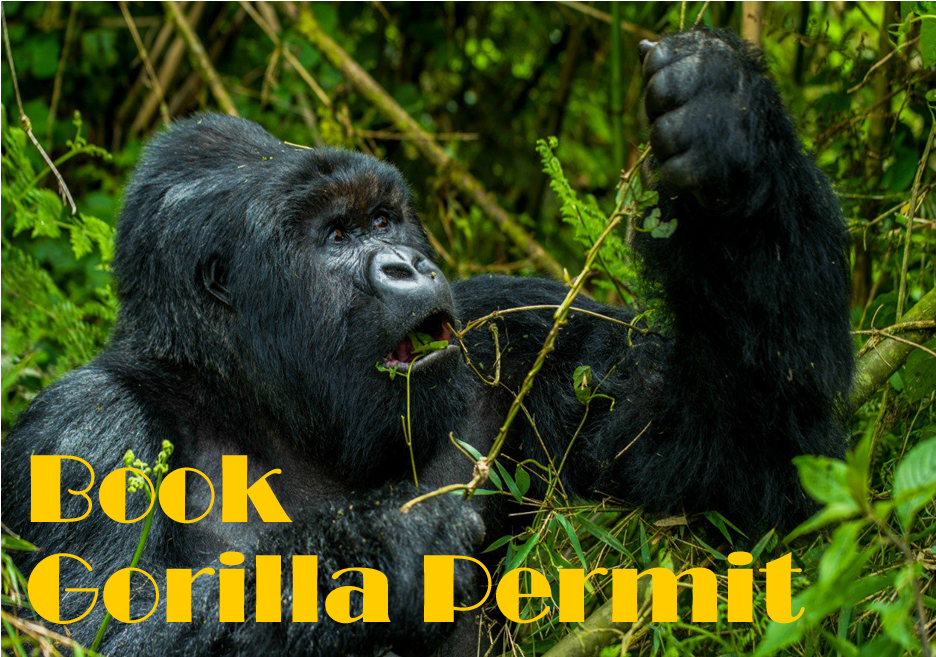
Book Mountain gorillas trek with Go Safaris Africa
Mountain gorillas are not just wildlife icons—they are a conservation triumph, a global symbol of hope, and a bridge between humans and the natural world. Whether you’re an adventurer, nature lover, or photographer, trekking through African rainforests to meet these great apes is a deeply moving and unforgettable experience.
Book your gorilla safari with Go Safaris Africa and take part in a journey that changes lives—both yours and theirs.