
An East Africa photography safari is the ultimate wildlife photography experience — a journey through some of the world’s most extraordinary landscapes in pursuit of wildlife subjects that no studio photographer could ever create and no other continent could ever replicate.
Mountain gorillas in the Virunga mist. A silverback’s eyes meeting your lens. Lions hunting at dawn on the Serengeti. A million wildebeest crossing the Mara River. Elephants silhouetted against Kilimanjaro. Cheetahs at full sprint across the open Amboseli plains. The shoebill stork standing motionless in papyrus. A leopard draped in a fig tree at golden hour.
These are the images that define wildlife photography — and they are all available on a single East Africa photography safari with the right planning the right destinations and the right technical preparation.
This complete East Africa photography safari guide covers everything you need to know — the best destinations for photography the optimal timing the essential camera equipment camera settings for specific subjects lighting composition and the practical planning that separates an extraordinary photography safari from a merely good one.
Why East Africa is the World’s Greatest Photography Safari Destination
East Africa photography safari destinations offer a combination of factors that make them unmatched anywhere in the world for wildlife photography:
Subject variety and accessibility No other region on Earth offers such diversity of extraordinary photographic subjects within a single trip — great apes big cats the Great Migration savanna elephants dramatic landscapes and extraordinary birds all accessible within 2–3 weeks.
Light quality East Africa’s equatorial position and high altitude create exceptional photographic light — the golden hours at dawn and dusk are particularly extraordinary in the open savanna landscapes of Kenya and Tanzania. The misty atmospheric light of Rwanda’s Virunga volcanoes creates a completely different but equally extraordinary photographic environment.
Habituation The wildlife in East Africa’s premier safari destinations is extraordinarily well-habituated to vehicles and human presence — allowing closer and longer encounters than in most other wildlife photography destinations worldwide.
Year-round opportunities Different destinations and different subjects peak at different times of year — creating a year-round East Africa photography safari calendar with no truly bad period for photography.
Infrastructure East Africa’s well-developed safari infrastructure — professional guides modified vehicles good lodges — creates the operational foundation for productive photography days without logistical friction.
The Best East Africa Photography Safari Destinations
1. Rwanda — Gorilla and Primate Photography
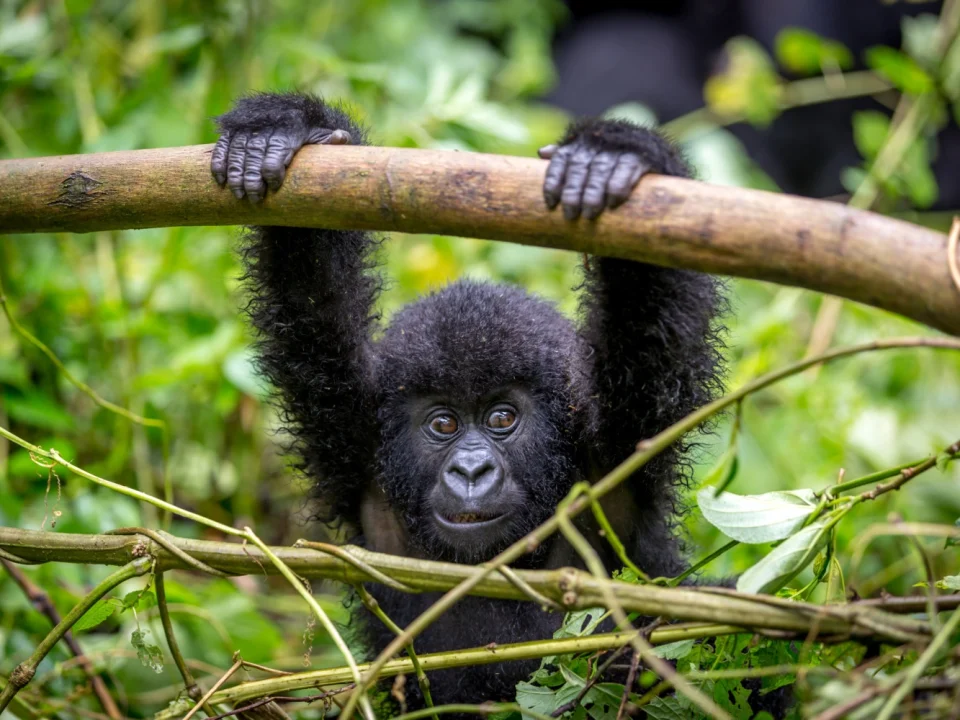
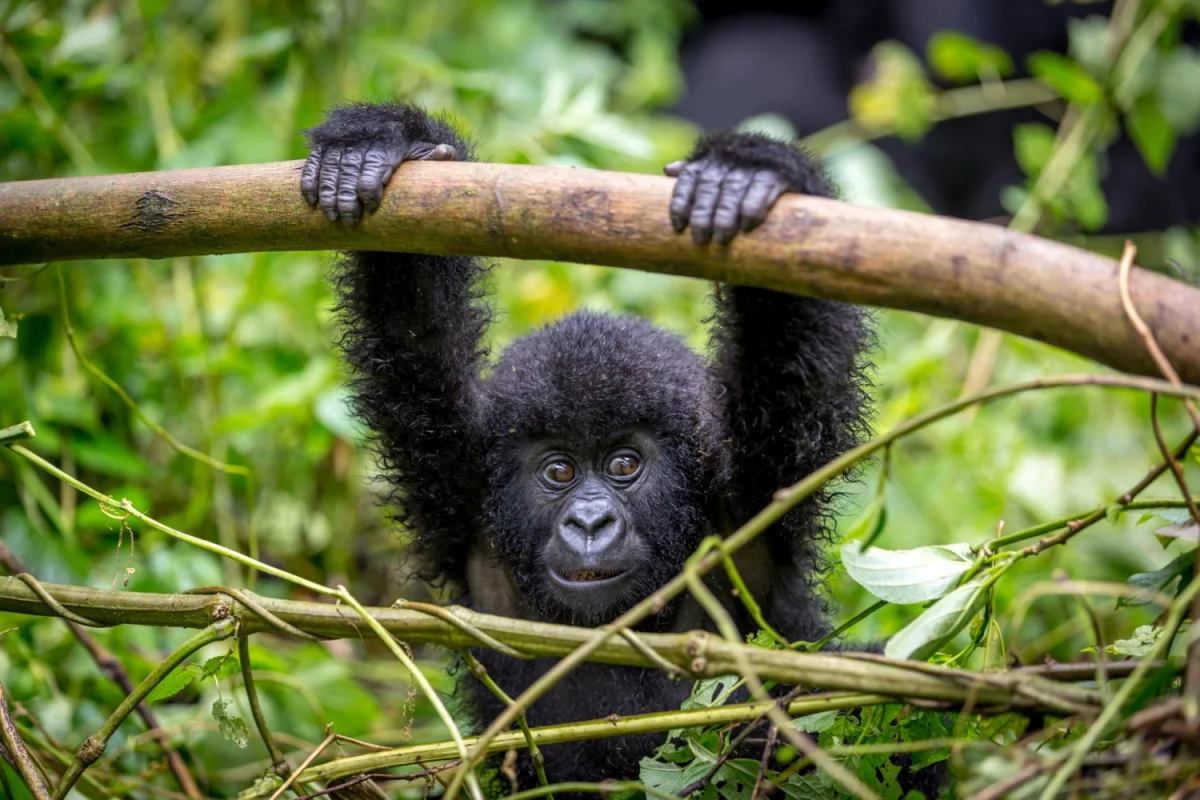
Rwanda’s Volcanoes National Park offers what many serious wildlife photographers consider the greatest single photography opportunity in the world — one hour face to face with habituated mountain gorillas in ancient Afromontane rainforest.
Why Rwanda is extraordinary for photography:
- Mountain gorillas are extraordinarily photogenic subjects — intelligent expressive faces huge physical presence
- The misty Virunga volcanic landscape creates atmospheric moody light
- Golden monkeys in the bamboo forest produce some of Africa’s most vivid and colourful images
- Dian Fossey’s Karisoke site adds historical and emotional depth to forest photography
Photography challenges in Rwanda:
- Dark dense forest requires fast lenses (f/2.8) and high ISO (3200–12800)
- No flash — ever
- One-hour time limit creates pressure
- Rain and mist can affect visibility
Best Rwanda photography months: June–September (drier trails better light) and December–February (clear morning mist)
Read our complete gorilla trekking photography tips guide for Rwanda-specific camera settings and techniques.
2. Tanzania — Migration and Landscape Photography
Tanzania’s Serengeti National Park and Ngorongoro Crater offer the greatest landscape and migration photography in Africa — vast open savanna the Great Migration river crossings big cat density and the extraordinary geological spectacle of the Ngorongoro caldera.
Why Tanzania is extraordinary for photography:
- The Serengeti’s open short grass plains provide unobstructed sight lines for miles
- The Great Migration river crossings are the most dramatic wildlife photography event on Earth
- The Ngorongoro Crater’s enclosed ecosystem creates extraordinary concentrated wildlife photography
- Tarangire’s ancient baobab trees produce Africa’s most distinctive landscape wildlife compositions
- Dawn light on the Serengeti plains is extraordinarily beautiful
Best Tanzania photography subjects:
- Great Migration river crossings — the most intense and dramatic wildlife photography available
- Cheetah hunts — the open Serengeti plains are Africa’s finest cheetah photography environment
- Lion prides — extraordinarily accessible and cooperative subjects in the Serengeti
- Leopards in fig trees — classic Serengeti photography along the Seronera River
- Ngorongoro black rhinos — rare precious and photographically extraordinary
- Elephant-baobab compositions — unique to Tarangire
Best Tanzania photography months: January–February (calving season — extraordinary predator photography) and July–October (Migration river crossings)
Read our Serengeti National Park complete guide and Great Migration guide.
3. Kenya — Big Cat and Landscape Photography
Kenya’s Maasai Mara National Reserve offers the finest big cat photography in Africa — extraordinarily habituated lion prides famous cheetah families and good leopard sightings in a landscape of golden savanna and sweeping sky.
Why Kenya is extraordinary for photography:
- The Maasai Mara’s famous lion prides are among the world’s most photographed and most accessible
- Cheetah families in the Mara and private conservancies are habituated and reliably located
- Private conservancies allow off-road driving and full chase following of predator hunts
- The Mara River crossings are extraordinary — particularly from the Tanzania side for fewer vehicles
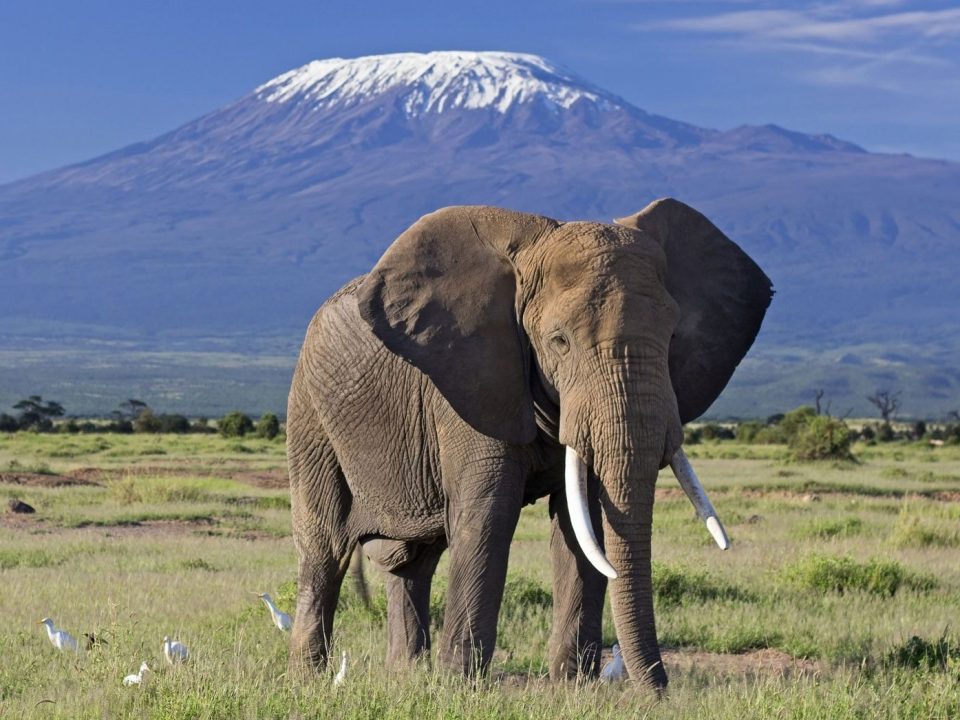
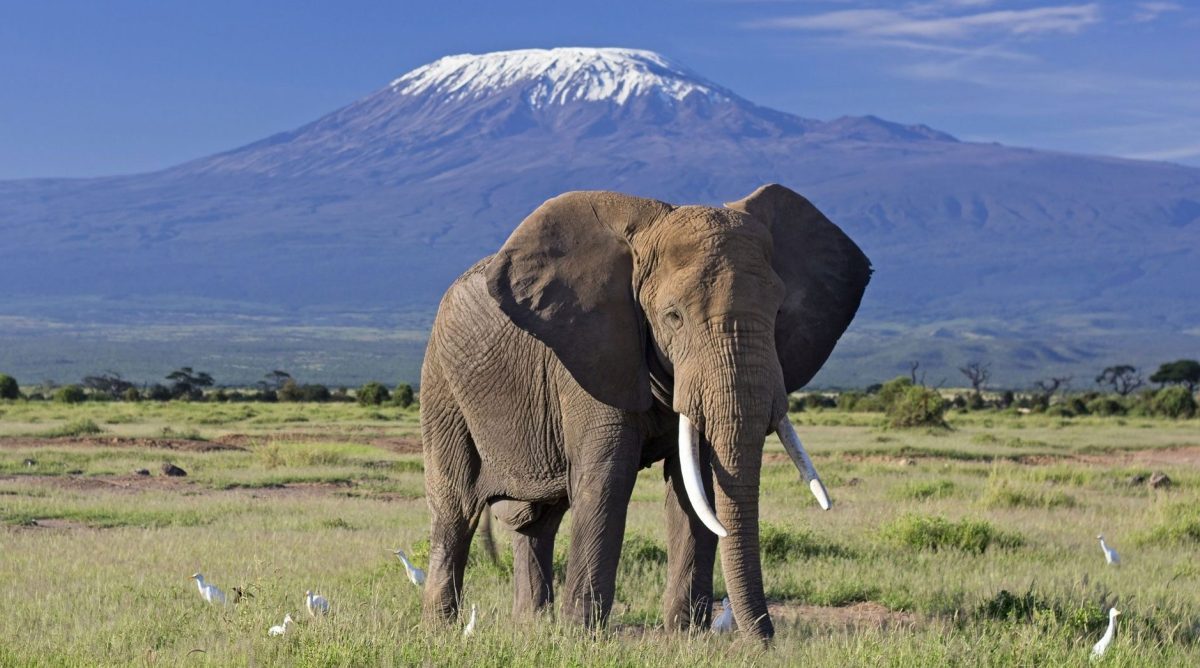
- Amboseli’s elephant-Kilimanjaro compositions are Africa’s most iconic wildlife images
Best Kenya photography subjects:
- Mara lion hunts — the most accessible big cat hunting photography in Africa
- Cheetah at speed — private conservancy off-road access allows vehicle positioning for hunt photography
- Amboseli elephant-Kilimanjaro — the most iconic single composition in African wildlife photography
- Hot air balloon over migration — extraordinary aerial perspective photography
- Samburu Special Five — reticulated giraffe Grevy’s zebra gerenuk in dramatic northern Kenya landscapes
Best Kenya photography months: July–October (Migration crossings in Mara) and January–February (clear Kilimanjaro views in Amboseli)
Read our Maasai Mara National Reserve complete guide and Amboseli National Park guide.
4. Uganda — Primate and Forest Photography
Uganda offers a completely different East Africa photography safari experience — dense tropical forest chimpanzees mountain gorillas tree-climbing lions and the extraordinary drama of Murchison Falls combining forest and savanna photography in a single country.
Why Uganda is extraordinary for photography:
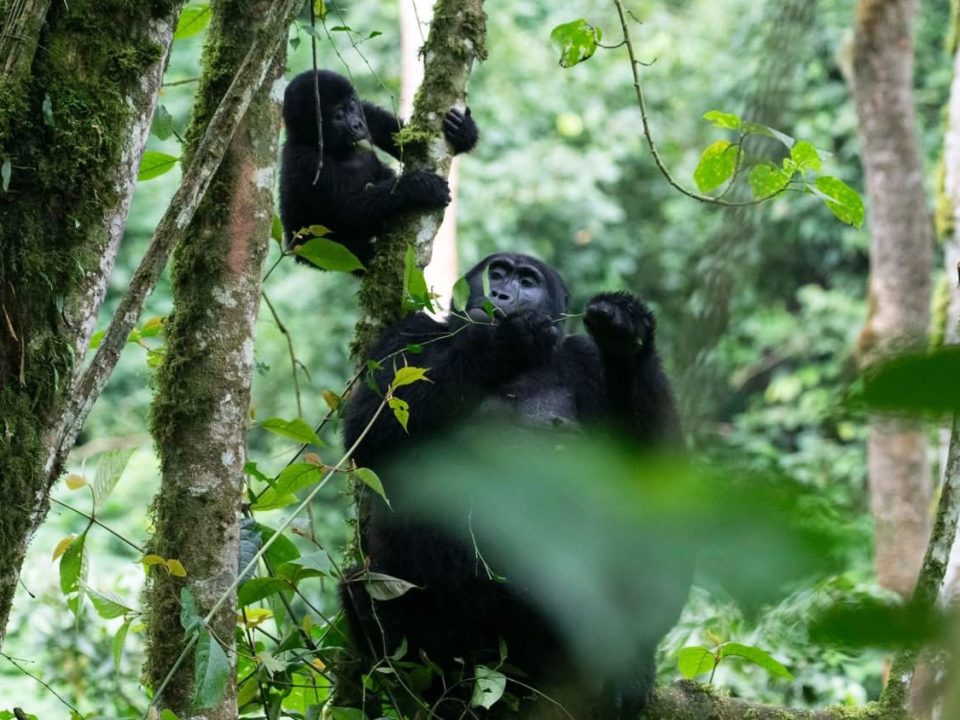
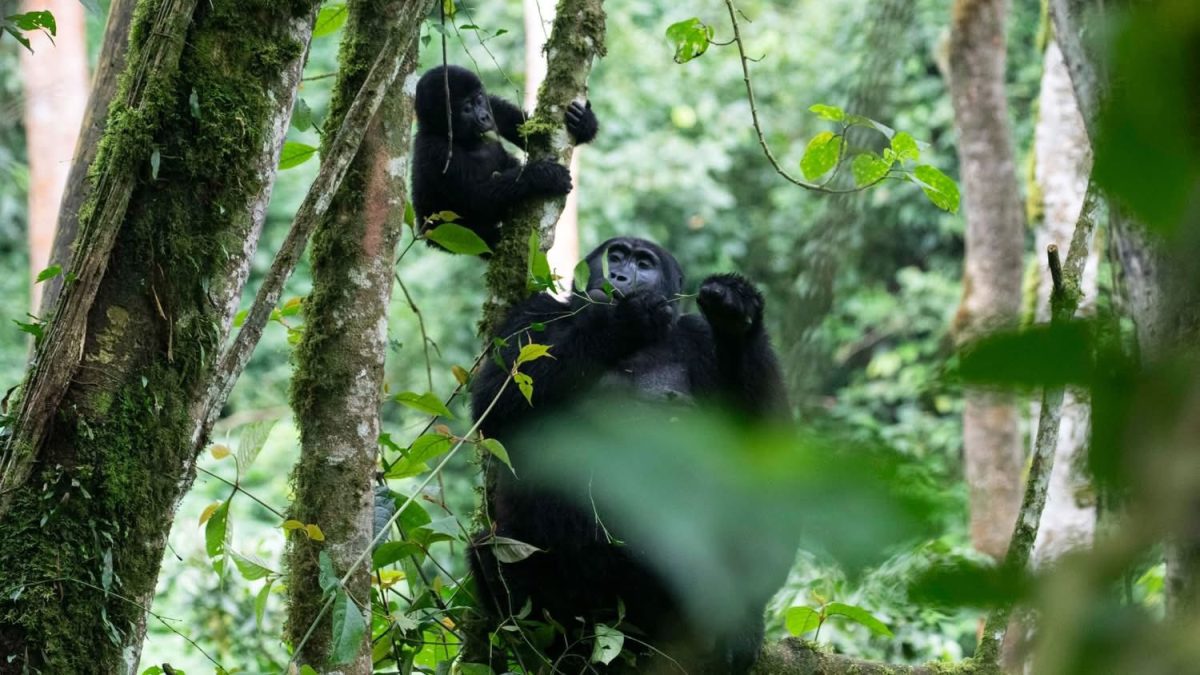
- Bwindi’s mountain gorillas in denser more atmospheric forest than Rwanda
- Kibale Forest’s 1,500 chimpanzees offer the finest chimp photography in East Africa
- Queen Elizabeth’s tree-climbing lions in fig trees — one of Africa’s most unique and photogenic subjects
- Murchison Falls — the power and spray of the world’s most powerful waterfall creates dramatic images
- The Kazinga Channel boat safari offers extraordinary waterbird and hippo photography at close range
Best Uganda photography subjects:
- Bwindi gorillas — darker moodier forest atmosphere than Rwanda
- Kibale chimpanzees — the most expressive and behaviourally rich chimp photography in Africa
- Tree-climbing Ishasha lions — unique behaviour in extraordinary light
- Murchison Falls — dramatic water and spray photography
- Shoebill stork — one of Africa’s most sought-after and most photogenic birds
Best Uganda photography months: June–September and December–February
Read our Uganda travel guide 2026 and Bwindi complete guide.
The East Africa Photography Safari Calendar
Planning your East Africa photography safari around the optimal photographic conditions at each destination:
| Month | Best Destination | Best Subject |
|---|---|---|
| January | Tanzania (Ndutu) · Kenya (Amboseli) | Calving season predators · Kilimanjaro elephants |
| February | Tanzania (Ndutu) · Kenya (Amboseli) | Peak calving · Clear Kilimanjaro |
| March | Tanzania (Central Serengeti) | Green season landscapes |
| April | Tanzania (Western Corridor) | Lush green Serengeti |
| May | Tanzania (Western Corridor) | Grumeti approach |
| June | Tanzania (Western) · Rwanda · Uganda | Grumeti crossings · Dry season primates |
| July | Tanzania (Northern) · Kenya (Mara) | First Mara crossings |
| August | Kenya (Mara) · Tanzania (Northern) | Peak migration crossings |
| September | Kenya (Mara) · Rwanda · Uganda | Crossings continue · Peak primates |
| October | Tanzania (Eastern) | Return migration |
| November | Rwanda · Uganda | Lush green primate forest |
| December | Rwanda · Uganda · Kenya | Dry season · Clear light |
The Ultimate East Africa Photography Safari Year
For a photographer wanting the absolute best of everything across the calendar:
January–February: Ndutu Tanzania (calving season + Amboseli Kilimanjaro) June–September: Rwanda and Uganda gorilla trekking (dry season — best forest light) July–October: Kenya Maasai Mara (river crossings — add to gorilla circuit)
Essential Camera Equipment for East Africa Photography Safari
Camera Bodies
Primary recommendation — full-frame mirrorless: Sony A7R V · Sony A9 III · Nikon Z8 · Nikon Z9 · Canon R5 · Canon R3
These cameras offer the optimal combination of:
- Outstanding high-ISO performance (essential for gorilla forest photography)
- Fast continuous autofocus tracking (essential for moving wildlife)
- High burst rate (essential for action and behaviour shots)
- Silent electronic shutter (essential for gorilla trekking — no mechanical shutter noise)
- In-body image stabilisation (essential for handheld long lens work)
Budget alternative — APS-C sensor: Sony A6700 · Fujifilm X-T5 · Nikon Z50 II
Smaller lighter less expensive — excellent image quality with the additional advantage of 1.5x crop factor giving effective reach multiplier on longer lenses.
Two body strategy: Many serious East Africa photography safari photographers carry two bodies — a long telephoto setup (200–400mm or 100–500mm) on one body and a wide-to-medium zoom (16–35mm or 24–105mm) on a second body for environmental shots and landscapes.
Lenses
The single most important lens decision for an East Africa photography safari is your primary telephoto choice.
100–400mm f/4.5–5.6 (or equivalent) — the most versatile single lens for an East Africa photography safari. Outstanding reach for distant wildlife excellent close focus for larger subjects like gorillas and good image quality at all focal lengths. The f/5.6 maximum aperture at 400mm is manageable in good savanna light but challenging in dark forest.
70–200mm f/2.8 — the best gorilla and forest photography lens. The f/2.8 aperture is critical for dark forest light. At 200mm you have good reach for gorilla portraits while the wide end captures environmental forest shots. See our dedicated gorilla trekking photography guide.
200–600mm f/5.6–6.3 (Sony) or 150–600mm f/5–6.3 (Tamron/Sigma) — outstanding reach for distant savanna subjects. The 600mm end is invaluable for the Serengeti’s open plains. The relatively slow aperture requires higher ISO in poor light.
400mm f/2.8 prime — the ultimate big cat and bird photography lens. Extraordinary image quality and light gathering. Very expensive very heavy and only for serious dedicated photographers.
Wide angle zoom (16–35mm or 24–70mm) — for landscape photography environmental wildlife shots and vehicle interior shots during game drives.
Essential Accessories
Extra batteries (minimum 4 per body) — East Africa’s outdoor conditions drain batteries faster than normal. Never enough batteries.
Extra memory cards (minimum 128GB each) — you will shoot more than you expect. Format cards in-camera before each day.
Bean bag — the most useful and most overlooked accessory for vehicle photography. A bean bag resting on the vehicle window provides a stable platform for long lens work without the need for a tripod.
Gimbal head or ball head — if using a window mount or tripod a gimbal head provides the smoothest tracking for moving subjects.
Rain protection — neoprene rain cover for camera and lens. Essential for wet season photography and for gorilla trekking in any season.
Lens cleaning kit — forest humidity causes lens fogging. A microfibre cloth and lens pen are essential.
Photographer’s vest or chest harness — keeps camera accessible during gorilla treks without putting all weight on one shoulder strap.
Camera Settings for Key East Africa Photography Safari Subjects
Gorillas and Forest Primates
The most technically demanding subject on any East Africa photography safari — dark forest light unpredictable movement and no flash allowed.
| Setting | Value | Reason |
|---|---|---|
| Shutter speed | 1/500–1/1000 | Freeze gorilla movement |
| Aperture | f/2.8–f/4 | Maximum light gathering |
| ISO | Auto (max 12800) | Let camera optimise |
| Autofocus | Continuous tracking + eye AF | Track moving subjects |
| Drive mode | High burst | Capture peak expressions |
| White balance | Auto or Shade | Compensate for green forest cast |
| Silent shutter | ON | No mechanical shutter noise |
Read our complete gorilla trekking photography tips guide for the full technical approach.
Great Migration River Crossings
The most intense and most competitive photography situation on any East Africa photography safari — fast chaotic movement thousands of subjects and very limited ideal shooting positions.
| Setting | Value | Reason |
|---|---|---|
| Shutter speed | 1/1000–1/2000 | Freeze fast movement |
| Aperture | f/5.6–f/8 | Depth of field for multiple subjects |
| ISO | Auto | Variable light conditions |
| Autofocus | Continuous tracking | Track moving herds |
| Drive mode | Maximum burst rate | Capture peak moments in crossing |
| Focal length | 200–600mm | Compress crossing and fill frame |
Positioning tip: The best crossing photography positions on the Mara River are occupied by serious photographers from before dawn. Arrive early — find your position before the crossing begins — and be patient. Crossings can be preceded by hours of waiting.
Big Cats — Lions Leopards Cheetahs
The most rewarding savanna photography subject — well-habituated accessible and behaviourally rich.
| Setting | Value | Reason |
|---|---|---|
| Shutter speed | 1/500 resting · 1/2000+ hunting | Match activity level |
| Aperture | f/4–f/5.6 | Subject separation from background |
| ISO | Auto | Variable savanna light |
| Autofocus | Continuous eye/animal tracking | Stay locked on face |
| Drive mode | High burst during action | Capture hunting sequences |
| Focal length | 300–600mm | Fill frame at safe distance |
Cheetah hunt photography specific: For a cheetah hunt your guide will position the vehicle to anticipate the hunt direction. Shoot in maximum burst at 1/2000+ with continuous tracking AF. A cheetah at full speed covers 30 metres per second — you need both speed and burst rate to capture the peak moment.
Elephants — Amboseli Kilimanjaro Compositions
The most iconic East Africa photography safari composition — requires specific timing and technique.
| Setting | Value | Reason |
|---|---|---|
| Shutter speed | 1/250–1/500 | Elephants move slowly — slower shutter acceptable |
| Aperture | f/8–f/11 | Keep both foreground elephants and Kilimanjaro in focus |
| ISO | 400–800 | Good morning light — lower ISO acceptable |
| Focal length | 200–400mm | Compress distance between elephants and mountain |
| Time | 6:00–9:00am | Clear Kilimanjaro before cloud builds |
| Position | Low and level with elephants | Most dramatic compositions from low angle |
Landscapes — Serengeti Ngorongoro Virunga
East Africa photography safari landscapes are among the world’s most spectacular photographic environments.
Serengeti sunrise/sunset:
- Wide angle lens (16–35mm) for vast sky and savanna
- Low angle — get out of the vehicle and shoot from ground level where possible (safe areas only)
- Include foreground interest — acacia tree termite mound or silhouetted wildlife
- Expose for the sky — let the foreground go slightly dark for the most dramatic effect
Ngorongoro from the rim:
- Dawn from the crater rim with mist in the caldera is extraordinary
- Telephoto (200–400mm) to reach wildlife on the crater floor from the rim viewpoints
- Wide angle for the full scale of the caldera landscape
Virunga volcanoes from Rwanda:
- Telephoto (300–500mm) to compress the volcanic peaks
- Early morning before cloud builds
- Include foreground of forest or farmland for scale and context
Lighting for East Africa Photography Safari
Light is the single most important variable in wildlife photography — and East Africa’s light quality is one of the primary reasons serious photographers travel here.
The Golden Hours
Dawn (30 minutes before to 90 minutes after sunrise) — the most productive photography period on any East Africa photography safari. The light is warm directional and soft — ideal for both wildlife and landscape photography. Predators are most active. The Serengeti plains glow with extraordinary colour. Everything looks better.
Dusk (90 minutes before to 30 minutes after sunset) — the second golden hour. Warm orange and red tones. Long shadows. Silhouette opportunities against the colourful sky. Predators activate again after the midday heat.
Midday (10:00am–3:00pm) — harsh overhead light with strong shadows. The least productive photography period. Use midday for resting reviewing images and charging batteries.
Overcast Light
Counter-intuitively overcast days can produce some of the finest wildlife photography on an East Africa photography safari — particularly for gorilla and forest photography where the diffused light eliminates harsh shadows and produces even illumination across subjects.
An overcast Serengeti day is actually excellent for photography — soft shadowless light reveals detail in fur feather and skin that bright sunlight obscures.
Rain Light
The brief period after a tropical rain shower — particularly in the late afternoon — often produces extraordinary photography conditions. The air is clear the light is soft and warm the vegetation is vivid green and the sky can be dramatically moody. Rain showers on the Serengeti during thunderstorm season create extraordinary dramatic skies.
Composition for East Africa Photography Safari
The Essential Shots
The environmental portrait — subject in the foreground with habitat providing context and depth. A gorilla with forest visible behind it. A lion with savanna sweeping to the horizon. An elephant with Kilimanjaro towering above. The most narrative and most powerful wildlife images.
The tight portrait — fill the frame with the subject. Eyes sharp. Expression captured. Background blurred. The most emotionally connecting wildlife image type.
The action shot — peak of action captured in sharp detail. A lion mid-spring. A wildebeest mid-crossing. A cheetah at full stride. Requires burst mode fast shutter and anticipation.
The landscape with wildlife — wide angle showing the scale and grandeur of the East African wilderness with wildlife as a smaller element providing scale and life. The Serengeti at dawn with small elephant silhouettes. Kilimanjaro with dust trail of an elephant herd.
The behaviour shot — mother nursing infant. Lion cubs playing. Cheetah teaching cubs to hunt. Gorilla grooming. The images that tell stories about the animals’ lives — the most valuable and most publishable wildlife images.
Hiring a Specialist Photography Guide
For a serious East Africa photography safari a specialist photography guide — rather than a standard driver-guide — makes a significant difference to your photographic results.
A specialist photography guide:
- Understands vehicle positioning for optimal light angles
- Knows individual animal behaviour patterns and anticipates action
- Drives off-road in conservancy areas to position for hunt photography
- Understands depth of field focal length and composition from a photographic perspective
- Is patient — willing to stay at a subject for hours waiting for the right light or behaviour
- Knows which gorilla families offer the best photography positions
Go Safaris Africa can arrange specialist photography-focused safaris with guides who understand photography throughout Rwanda Uganda Kenya and Tanzania.
Planning Your Photography Safari
Duration
Minimum 10 days for a meaningful photography-focused East Africa safari — combining Rwanda or Uganda gorilla photography with Tanzania or Kenya savanna photography.
14–21 days — the optimal duration allowing deeper exploration of each location and the flexibility to wait for ideal light and behaviour.
Group Size
Solo or maximum 2 photographers per vehicle — for serious photography. Having more than 2 photographers in a vehicle creates conflict over positioning and shooting direction.
Vehicle
Private vehicle — non-negotiable for serious photography. Shared vehicles compromise positioning and stopping time.
Modified photography vehicle — vehicles with bean bag mounts on all windows and roof hatches open provide the optimal shooting platform.
Private Conservancies
Book conservancy camps where available — the off-road driving permission in private conservancies allows vehicle positioning that dramatically improves photography results for cheetah and lion hunts.
Book Your East Africa Safari with Go Safaris Africa
Go Safaris Africa designs and operates dedicated East Africa photography safari itineraries for photographers of all levels — from enthusiastic smartphone photographers to professional wildlife photographers with full kit.
We understand the specific needs of photography-focused clients — the vehicle positioning requirements the patience needed for optimal light the guide knowledge that makes the difference between a good shot and an extraordinary one.
- 👉 Plan your East Africa photography safari
- 👉 Gorilla trekking photography tips guide
- 👉 Rwanda safari packages
- 👉 Uganda safari packages
- 👉 Tanzania safari packages
- 👉 Kenya safari packages
📞 Call or WhatsApp: +250 788 365 595 📧 info@gosafarisafrica.com 🌐 www.gosafarisafrica.com
Frequently Asked Questions
What is the best destination for an East Africa photography safari? Rwanda for gorilla photography Tanzania for migration and landscape photography Kenya for big cat photography Uganda for forest primate photography. The ultimate East Africa photography safari combines all four. Contact us for personalised photography safari planning.
What camera do I need for an East Africa photography safari? Any modern camera with good high-ISO performance. Full-frame mirrorless cameras (Sony A7 series Nikon Z series Canon R series) offer the best combination of high-ISO performance fast autofocus and silent shutter. See our complete equipment guide above.
What is the best lens for East Africa wildlife photography? A 100–400mm or 150–600mm zoom covers most savanna wildlife subjects. A 70–200mm f/2.8 is essential for gorilla forest photography. See our complete lens guide above.
When is the best time for an East Africa photography safari? January–February (calving season Tanzania) and July–October (Mara river crossings Kenya) for savanna photography. June–September for dry season primate photography in Rwanda and Uganda. See our complete photography calendar above.
Do I need a specialist photography guide? For serious photographers yes — a specialist guide understands vehicle positioning light and animal behaviour from a photographic perspective. Go Safaris Africa arranges specialist photography guides for all East Africa destinations.
Can I photograph gorillas in Rwanda and Tanzania wildlife in the same trip? Absolutely — fly Kigali to Kilimanjaro (via Nairobi) and combine Rwanda gorilla photography with Tanzania Serengeti and Ngorongoro photography in 10–14 days. Contact us to plan your combined photography safari.
What are the best camera settings for gorilla photography? 1/500–1/1000 shutter speed f/2.8–f/4 aperture auto ISO (max 12800) continuous autofocus tracking silent shutter ON and no flash — ever. Read our complete gorilla trekking photography tips.
Go Safaris Africa is a Kigali-based safari operator specialising in gorilla trekking wildlife safaris and tailor-made adventures across Rwanda Uganda Kenya and Tanzania. 📍 Prince House Second Floor Office #5 Kigali Rwanda 📞 +250 788 365 595 | 🌐 www.gosafarisafrica.com