
Serengeti National Park is the greatest wildlife destination on Earth. No other place combines the sheer scale of wildlife the drama of the Great Migration the diversity of predator species and the timeless beauty of open African savanna in the way that the Serengeti does. If you visit only one African national park in your lifetime — make it the Serengeti National Park.
Covering 14,763 km² of open grassland woodland riverine forest and kopje-studded plains in northern Tanzania Serengeti National Park is the oldest and most celebrated national park in East Africa. It is a UNESCO World Heritage Site a designated Biosphere Reserve and the anchor of the greatest wildlife ecosystem remaining on the planet.
This complete guide covers everything you need to know about visiting Serengeti National Park in 2026 — the Great Migration month-by-month where to stay game drives costs how to get there and how to combine it with Rwanda gorilla trekking for the ultimate East Africa safari.
Serengeti National Park: Essential Facts
| Location | Northern Tanzania — Mara and Simiyu Regions |
| Size | 14,763 km² |
| Altitude | 920m – 1,850m |
| Established | 1951 as national park |
| UNESCO Status | World Heritage Site 1981 · Biosphere Reserve 1981 |
| Annual visitors | Approximately 350,000 per year |
| Main wildlife | Wildebeest · lions · leopards · cheetahs · elephants · buffalos |
| Great Migration | Year-round — 1.5 million wildebeest |
| Main entry gate | Naabi Hill Gate (southern) · Kleins Gate (northeast) |
| Nearest airport | Kilimanjaro International (JRO) · Seronera airstrip (internal) |
| Distance from Arusha | 335 km — approximately 7–8 hours by road |
Why Serengeti National Park is the Greatest Safari on Earth
Serengeti National Park earns its reputation as the world’s greatest wildlife destination through sheer numbers scale and drama:
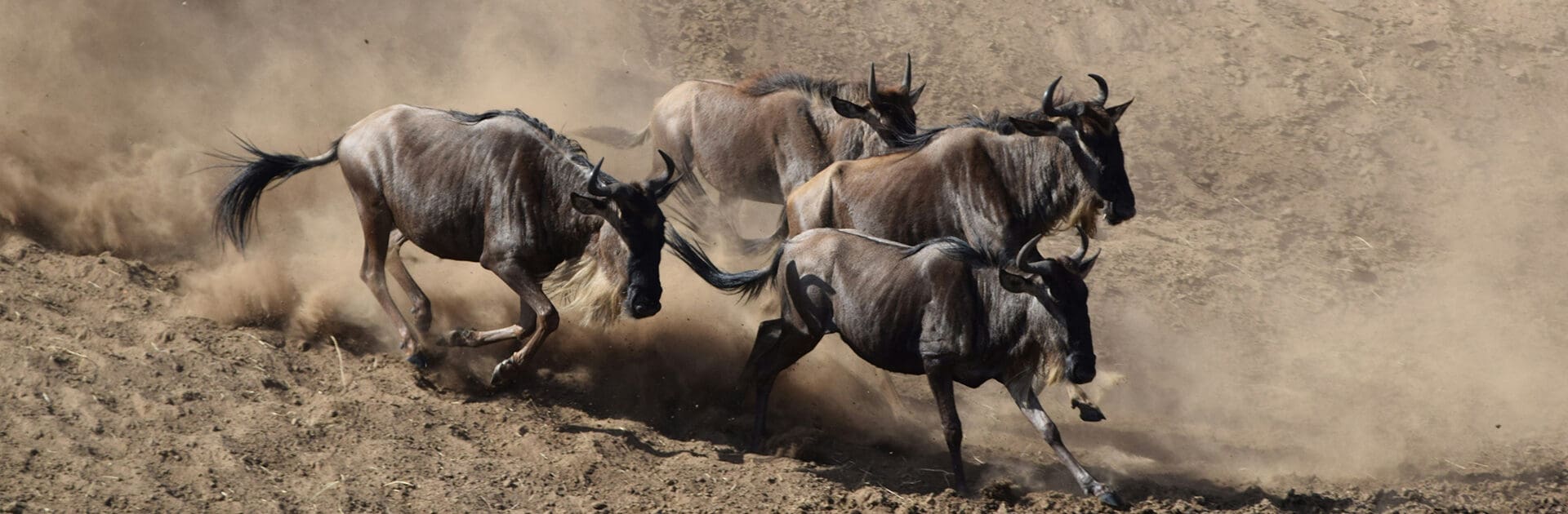
1.5 million wildebeest make the Great Migration their annual circular journey through the Serengeti ecosystem — creating scenes of wildlife spectacle that no other place on Earth can replicate.
The highest lion density in Africa — the Serengeti supports approximately 3,000 lions across multiple well-studied prides. Lion encounters in the Serengeti are extraordinarily reliable — multiple sightings per game drive are common in peak season.
The finest cheetah habitat on Earth — the open short grass plains of the southern Serengeti are the best place in Africa to observe cheetahs hunting — their speed and elegance displayed across the flat grassland in extraordinary close-range encounters.
Leopards in the riverine forest — the fig trees along the Seronera River and other watercourses in Serengeti National Park are famous for leopard sightings — big cats draped in branches overhead in classic safari photographs.
The Big Five — lions leopards elephants buffalos and black rhinos (rare — Ngorongoro is better for rhinos) all present in the ecosystem.
Year-round wildlife — unlike some African parks where wildlife is highly seasonal the Serengeti offers extraordinary game viewing every month of the year. The question is not whether to go — it is knowing where in the Serengeti to be at each time of year.
The Great Migration in Serengeti National Park — The Complete Guide
The Great Migration is the defining experience of Serengeti National Park — the continuous circular journey of 1.5 million wildebeest 200,000 zebras and 500,000 gazelles across the Serengeti-Mara ecosystem driven by rainfall and the search for fresh grass.
Understanding the migration calendar is essential for planning when and where to be in Serengeti National Park.
Read our complete Great Migration Serengeti 2026 guide for the full month-by-month breakdown. Here is the summary:
January–February: Calving Season — Southern Serengeti and Ndutu
Location: Ndutu area and short grass plains of southern Serengeti National Park What happens: Over 500,000 wildebeest calves born in a remarkable 3-week window in February — 8,000 calves per day at peak Why visit: Extraordinary predator action as every carnivore in the ecosystem converges on the calving grounds — cheetah kills lion hunts hyena frenzies and jackal opportunism all happening simultaneously across the plains Crowds: Fewer tourists than peak river crossing season — one of the best kept secrets of Serengeti National Park Best camps: Ndutu Safari Lodge · &Beyond Ndutu Under Canvas · Sanctuary Ndutu Serengeti Camp
March–May: Green Season — Central Serengeti
Location: Central Serengeti plains and western corridor What happens: Rains arrive and the herds begin moving northwest following fresh grass growth. Massive concentrations of wildebeest on the central plains with extraordinary landscape photography opportunities. Why visit: Lush green Serengeti at its most beautiful · Wildflowers blooming · Lodge rates at their lowest · Fewer tourists Best camps: Four Seasons Serengeti · Serengeti Serena Lodge · Lemala Ewanjan
June–July: Grumeti River Crossings — Western Corridor
Location: Western Serengeti corridor — Grumeti River What happens: Herds reach the Grumeti River — home to enormous Nile crocodiles that have been waiting for months. The Grumeti crossings are less famous than the Mara crossings but are in many ways more dramatic — the crocodiles are bigger more aggressive and the crossing points are narrower. Why visit: First major river crossings of the year · Fewer visitors than Mara crossings · Exclusive western corridor experience Best camps: Singita Grumeti · Nomad Serengeti Safari Camp · Asilia Kimondo Camp
July–October: Mara River Crossings — Northern Serengeti
Location: Northern Serengeti National Park and Maasai Mara Kenya border What happens: The world-famous Mara River crossings — thousands of wildebeest plunging into crocodile-filled water in a thundering churning mass. The most dramatic and most photographed wildlife spectacle on Earth. Why visit: The defining Great Migration experience · Peak predator action · Extraordinary photography Crowds: Peak season — book 12–18 months in advance for the best camps Best camps (Tanzania side): Lemala Nanyukie · Asilia Olakira · Ubuntu Migration Camp · Singita Sabora
For the Kenya equivalent read our complete Maasai Mara National Reserve guide.”
November–December: Return Migration — Eastern Serengeti
Location: Eastern Serengeti National Park What happens: Short rains arrive and the wildebeest begin their return journey south completing the great circular loop. Herds move quickly through the eastern Serengeti towards the southern plains. Why visit: Good migration viewing · Fewer tourists · Beautiful post-rain landscape · Lower lodge rates Best camps: Nomad Serengeti Safari Camp · Asilia Sayari · Serengeti Migration Camp
Serengeti National Park Zones — Where to Stay and When
Serengeti National Park covers an enormous area and is divided into distinct zones — each offering a different experience and best visited at different times of year:
Southern Serengeti and Ndutu (January–March)
The short grass plains stretching from the park’s southern boundary into the Ngorongoro Conservation Area are the heartland of calving season. The Ndutu area — technically in the Ngorongoro Conservation Area but ecologically part of the Serengeti ecosystem — is the best place in the world to see cheetahs in January and February.
Key wildlife: Cheetahs · wildebeest calves · lions · hyenas · jackals · Thomson’s gazelles Best experience: Cheetah hunts on open plains · mass calving · extraordinary predator density Stay: Ndutu Safari Lodge · &Beyond Ndutu Under Canvas
Central Serengeti and Seronera (Year-Round)
The Seronera Valley in the heart of Serengeti National Park is the most reliable year-round wildlife area in the park. The Seronera River attracts permanent resident wildlife — particularly leopards in the fig trees and lions along the banks — regardless of where the migration is located.
Key wildlife: Leopards · lions · hippos · crocodiles · elephants · buffalos Best experience: Leopard sightings in fig trees · reliable year-round game viewing Stay: Four Seasons Serengeti · Serengeti Serena Lodge · Lemala Ewanjan
Western Corridor (June–July)
The finger of Serengeti National Park extending west towards Lake Victoria receives the Great Migration herds in June and July as they move towards the Grumeti River. This is one of the least visited zones of the park — offering excellent exclusivity during peak migration season.
Key wildlife: Wildebeest crossings · enormous Grumeti crocodiles · topi · impalas · lions Best experience: Grumeti River crossings · exclusive western corridor experience Stay: Singita Grumeti · Nomad Serengeti Safari Camp
Northern Serengeti (July–October)
The northern Serengeti near the Kenyan border is the prime location for Mara River crossings — arguably the single most dramatic wildlife spectacle available to safari travellers anywhere on Earth. The Tanzania side of the crossing is generally less crowded than the Kenya side.
Key wildlife: Wildebeest Mara River crossings · lions · leopards · cheetahs · elephants Best experience: Mara River crossings · extraordinary predator action following the herds Stay: Lemala Nanyukie · Asilia Olakira · Ubuntu Migration Camp
“Start your Tanzania Northern Circuit at our Tarangire National Park complete guide — Tanzania’s most underrated safari park.”
Wildlife in Serengeti National Park
The Big Cats
Serengeti National Park has the highest concentration of lions in Africa — approximately 3,000 individuals in multiple well-studied prides. The Seronera Valley pride and the Marsh pride are among the most famous and reliably located lion prides on Earth.
Leopards are common in the riverine forest zones — particularly along the Seronera River where they regularly rest in fig tree branches. The Serengeti has one of Africa’s best leopard sighting records.
Cheetahs reach their highest density on the southern Serengeti short grass plains — the open terrain is perfectly suited to cheetah hunting and the prey density is extraordinary. The Serengeti is the finest place in Africa to watch cheetahs hunt.
The Elephants
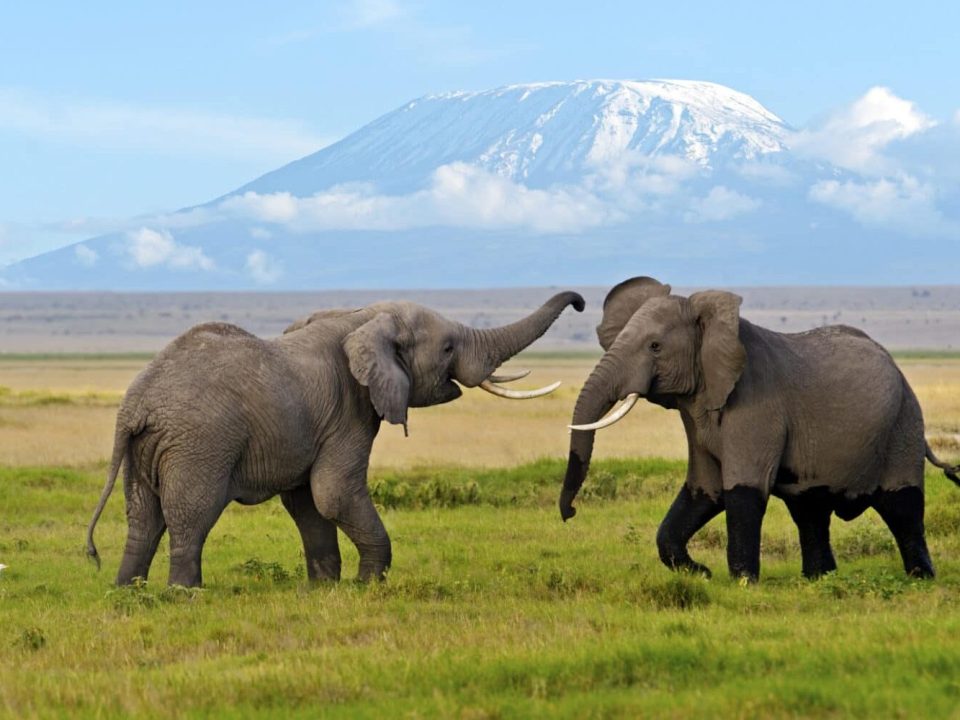
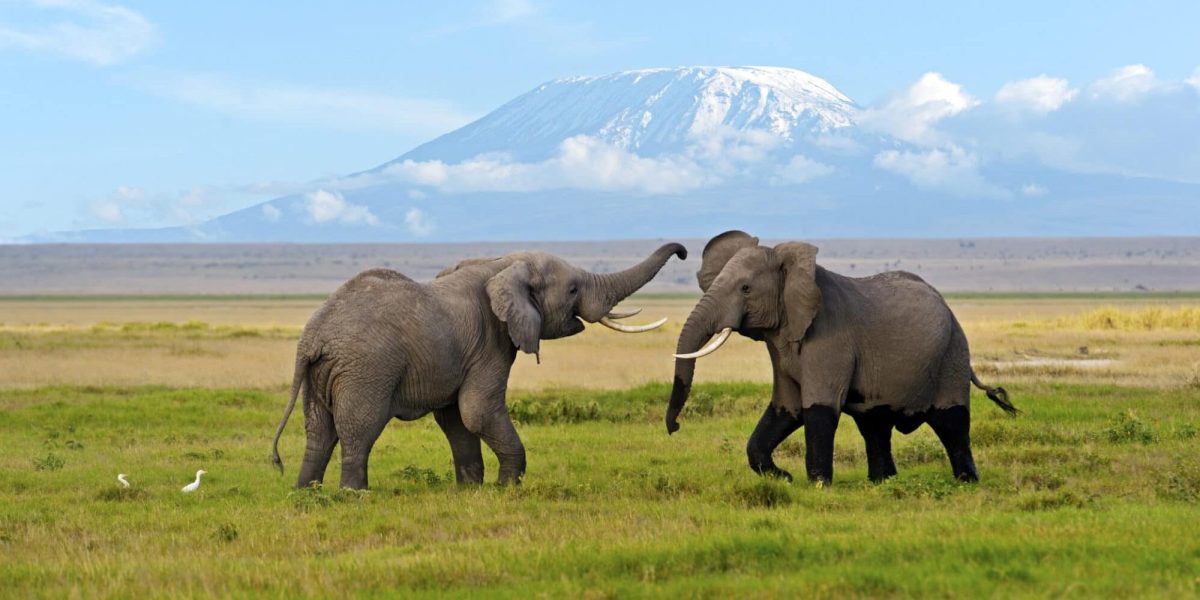
Serengeti National Park supports large elephant herds — particularly in the northern and western zones. Elephant encounters in the Serengeti are excellent — large breeding herds often approaching vehicles at close range.
The Hippos and Crocodiles
The Seronera River and other permanent water courses support large hippo pods and enormous Nile crocodiles. The Grumeti and Mara Rivers during crossing season reveal crocodiles of extraordinary size — some exceeding 5 metres.
The Birds — 500+ Species
Serengeti National Park is a world-class birding destination with over 500 recorded bird species. Key species include:
- Kori bustard — the world’s heaviest flying bird — common on Serengeti plains
- Secretary bird — stalking through the grass with extraordinary elegance
- Lilac-breasted roller — one of Africa’s most beautiful birds — ubiquitous on Serengeti game drives
- Martial eagle — Africa’s largest eagle — occasionally soaring over the plains
- Ostrich — common on open grassland
- Grey crowned crane — pairs frequently seen near water
- African fish eagle — abundant along all watercourses
- Dozens of vulture species — gathering at kills throughout the ecosystem
Game Drives in Serengeti National Park
Game drives are the primary way to experience Serengeti National Park and the best way to find and observe its extraordinary wildlife.
Private Game Drives (Recommended)
Private game drives with your own vehicle and experienced driver-guide give you the flexibility to spend as long as you want at any sighting — following a lion hunt for an hour or waiting at a cheetah kill without being pressured to move on by other vehicles.
Go Safaris Africa provides private game drives as part of all Serengeti safari packages.
Best Game Drive Timing
Dawn game drive (5:30am–10:00am): The best time of day in Serengeti National Park. Lions are most active before sunrise. Cheetahs begin hunting at first light. The golden morning light is spectacular for photography.
Late afternoon game drive (3:30pm–7:00pm): Second best period — predators become active again as temperatures cool. The sunset light over the Serengeti plains is extraordinary.
Midday (10:00am–3:00pm): Wildlife activity drops as animals seek shade. Still worthwhile but less productive than dawn and dusk.
Night game drives: Available on private conservancies adjacent to Serengeti National Park — revealing leopards hunting civets genets bush babies and other nocturnal wildlife not seen during the day.
Hot Air Balloon Safari in Serengeti National Park
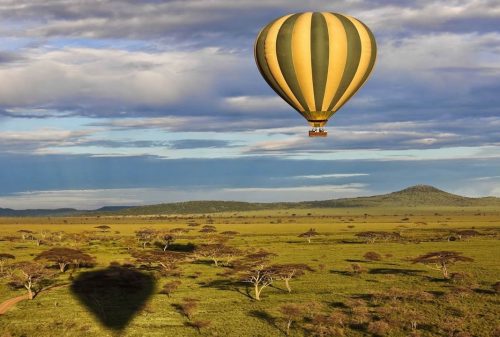
The hot air balloon safari over Serengeti National Park is one of the world’s most romantic and extraordinary wildlife experiences — and an absolute must for any serious Serengeti visitor.
Rising before dawn your balloon drifts silently over the Serengeti plains at first light — watching the ecosystem wake up from above as lions return from night hunts elephants move to water and the Migration herds begin their morning movement across the plains below.
After approximately one hour of flight you land in the bush for a full champagne breakfast served in the field — one of the most memorable meals of any safari.
Balloon safari details:
- Cost: $500–$700 per person depending on operator and season
- Duration: Approximately 1 hour flying + champagne breakfast
- Departure: Pre-dawn — usually 5:30–6:00am
- Best time: Year-round — particularly spectacular over the Migration herds
- Booking: Through your camp or through Go Safaris Africa
Best Time to Visit Serengeti National Park
Serengeti National Park offers extraordinary wildlife year-round — the question is knowing where to be at each time of year. Here is the honest guide:
| Month | Location | Highlight | Crowds | Value |
|---|---|---|---|---|
| January | Southern/Ndutu | Calving begins | Low | ⭐⭐⭐⭐ |
| February | Southern/Ndutu | Peak calving | Medium | ⭐⭐⭐⭐ |
| March | Central | Herds moving north | Low | ⭐⭐⭐⭐⭐ |
| April | Central | Green season | Very low | ⭐⭐⭐⭐⭐ |
| May | Western corridor | Grumeti approach | Low | ⭐⭐⭐⭐ |
| June | Western corridor | Grumeti crossings | Medium | ⭐⭐⭐⭐ |
| July | Northern | Mara crossings begin | High | ⭐⭐⭐ |
| August | Northern | Peak Mara crossings | Very high | ⭐⭐ |
| September | Northern/Mara | Crossings continue | High | ⭐⭐⭐ |
| October | Eastern | Return migration | Medium | ⭐⭐⭐⭐ |
| November | Southern | Short rains | Low | ⭐⭐⭐⭐⭐ |
| December | Southern | Herds returning south | Low-medium | ⭐⭐⭐⭐ |
Best overall months: January–February (calving) and July–September (Mara crossings) Best value months: March–May and November (lower rates fewer crowds) Most crowded: August — book 12–18 months ahead for the best camps
“Complete your Tanzania experience with our complete Zanzibar travel guide 2026.”
Where to Stay in Serengeti National Park
Serengeti National Park has accommodation at every level — from basic public campsites to some of the most extraordinary luxury safari camps in Africa.
Ultra-Luxury ($800–$3,000+ per person per night)
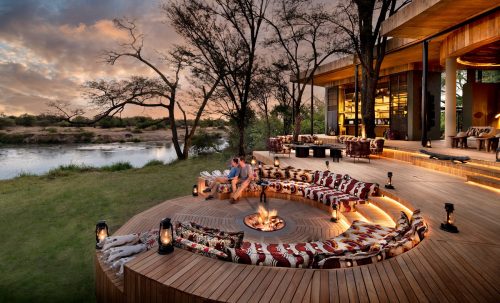
Singita Grumeti — Singita’s Serengeti properties (Sabora Tented Camp Faru Faru Lodge Serengeti House) sit on a vast private 350,000-acre concession in the western corridor. Arguably the finest safari accommodation in Africa — extraordinary food service wildlife and exclusivity.
&Beyond Klein’s Camp — private concession bordering the northern Serengeti National Park with 10 stone and thatch cottages. Private game drives zero other vehicles and extraordinary exclusivity during Mara crossing season.
Nomad Serengeti Safari Camp — mobile camp that repositions to follow the migration. Combines with their Lamai camp in the north for full year-round migration coverage.
Ubuntu Migration Camp — intimate 6-tent mobile camp that moves with the herds. Complete exclusivity and extraordinary access to the migration action.
Luxury ($400–$800 per person per night)
Lemala Nanyukie — beautifully designed northern Serengeti camp perfectly positioned for Mara crossings. Outstanding food and service.
Asilia Olakira Migration Camp — mobile camp following the migration through the Serengeti. Excellent guides and intimate atmosphere.
Four Seasons Serengeti — the only full-service hotel-standard property in Serengeti National Park. Infinity pool overlooking a waterhole excellent spa and consistent international luxury standards.
Mid-Range ($200–$400 per person per night)
Serengeti Serena Lodge — beautifully located lodge in central Serengeti National Park with excellent wildlife access year-round. Good food comfortable rooms and reliable service.
Lemala Ewanjan — comfortable tented camp in the central Serengeti with excellent guiding and good year-round game viewing.
Kubu Kubu Tented Lodge — well-positioned mid-range camp with authentic tented safari atmosphere and excellent guiding.
Budget ($80–$180 per person per night)
Kati Kati Tented Camp — basic but atmospheric tented camp with the essential Serengeti experience at accessible prices.
Public campsites — basic camping facilities throughout Serengeti National Park for budget independent travellers. Bring all equipment. Extraordinary atmosphere — falling asleep to lions roaring across the plains.
Getting to Serengeti Park
By Domestic Flight (Strongly Recommended)
Flying into Serengeti National Park is by far the most time-efficient and comfortable option — eliminating the long road journey from Arusha and maximising time in the park.
Airstrips inside Serengeti National Park:
- Seronera airstrip — central Serengeti — main hub
- Grumeti airstrip — western corridor
- Kogatende airstrip — northern Serengeti — closest to Mara crossings
- Lobo airstrip — northeastern Serengeti
Flights from:
- Kilimanjaro (JRO) → Seronera: approximately 1.5 hours
- Arusha → Seronera: approximately 1 hour
- Nairobi → Serengeti: via charter or via Kilimanjaro
Go Safaris Africa arranges all domestic flight bookings as part of Tanzania safari packages.
By Road from Arusha
The road from Arusha to Serengeti National Park via Ngorongoro takes approximately 7–8 hours — a long journey but a beautiful one through the Great Rift Valley the Ngorongoro Highlands and the Ndutu plains. A 4×4 vehicle is essential.
This road route is best for travellers combining Serengeti National Park with the Tanzania Northern Circuit — Tarangire Lake Manyara Ngorongoro and Serengeti in a single overland journey.
From Rwanda — Combining with Gorilla Trekking
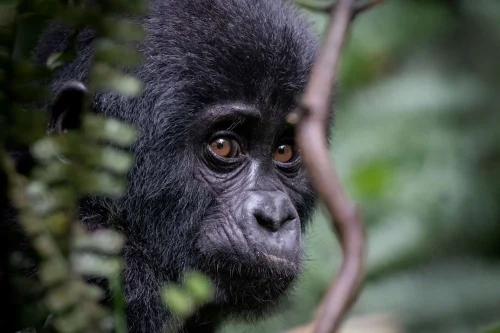
One of the most popular combinations we plan at Go Safaris Africa is Rwanda gorilla trekking followed by Serengeti National Park:
- Fly Kigali (KGL) → Kilimanjaro (JRO) via Nairobi — approximately 3–4 hours total
- Transfer to Arusha or domestic flight to Seronera airstrip
- Begin your Serengeti National Park safari
This combination — mountain gorillas and the Great Migration — is consistently described by our clients as the greatest wildlife trip of their lives.
👉 Rwanda gorilla trekking guide 👉 Great Migration complete guide 👉 Contact us to plan your combined safari
Serengeti National Park Costs
Park Fees
- Adult entry: $82 USD per person per day
- Vehicle fee: $40 USD per vehicle per day
Total Safari Costs
| Safari Type | Cost Per Person Per Day |
|---|---|
| Budget group safari | $150–$250 |
| Mid-range private safari | $350–$500 |
| Luxury private safari | $600–$1,200 |
| Ultra-luxury mobile camp | $800–$3,000+ |
Typical 4-night Serengeti safari total costs:
- Budget: $1,200–$1,800 per person
- Mid-range: $2,500–$4,000 per person
- Luxury: $5,000–$10,000+ per person
- Ultra-luxury: $10,000–$20,000+ per person
Popular Serengeti Itineraries
4-Night Classic Serengeti Safari
Day 1: Arrive Kilimanjaro → Arusha → domestic flight to Seronera Days 2–3: Central Serengeti game drives — Seronera Valley leopards and lions Day 4: Hot air balloon safari → game drive Day 5: Final morning drive → fly to Kilimanjaro → depart
7-Day Tanzania Northern Circuit
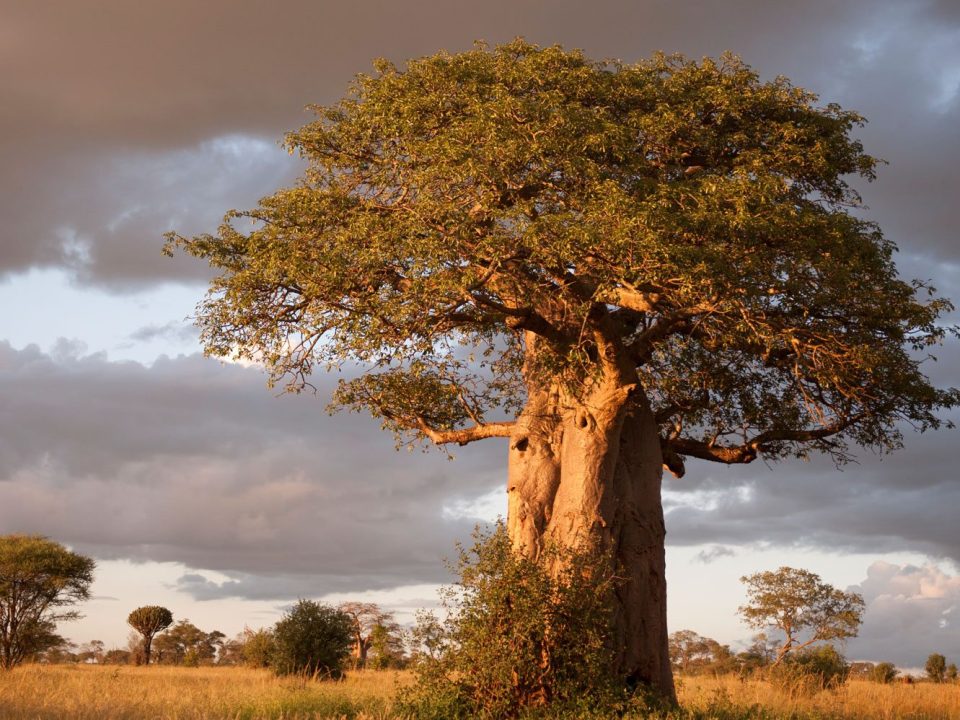
Day 1: Arrive Kilimanjaro → Arusha Day 2: Tarangire National Park (elephants + baobabs) Day 3: Lake Manyara (tree-climbing lions + flamingos) Days 4–6: Serengeti National Park (3 nights — migration + predators) Day 7: Ngorongoro Crater full day → Kilimanjaro → depart
“Combine with our complete Ngorongoro Crater visitor guide for the full Tanzania Northern Circuit experience.”
10-Day Ultimate Tanzania Safari + Zanzibar
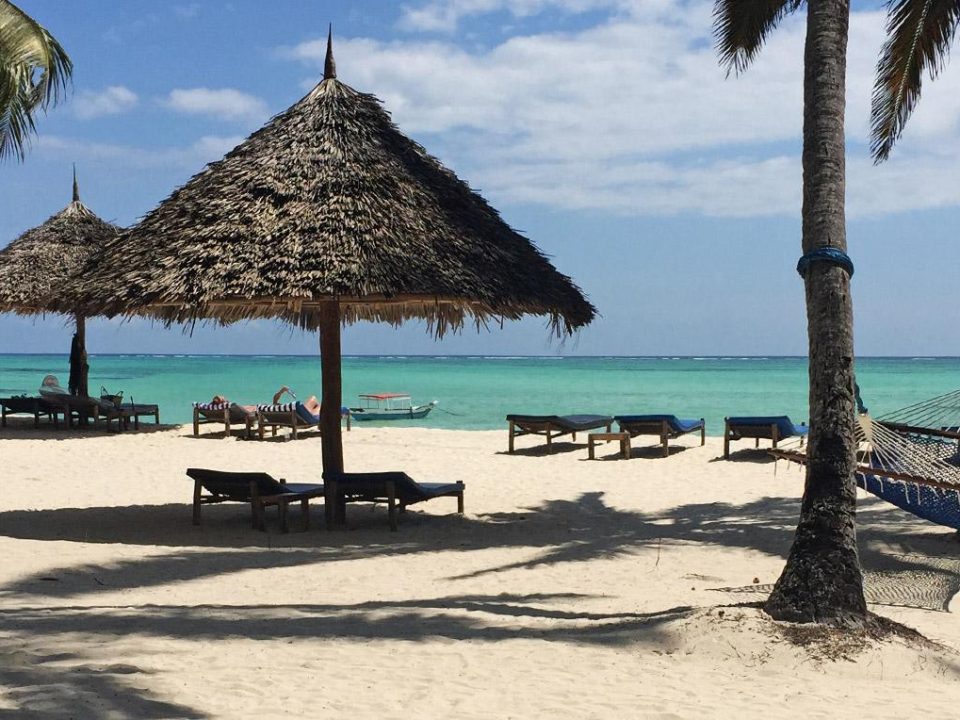
Days 1–7: Tanzania Northern Circuit (as above) Days 8–10: Zanzibar island (beach + Stone Town + snorkelling)
14-Day Ultimate East Africa — Rwanda + Serengeti
Days 1–3: Rwanda → Kigali + gorilla trekking Volcanoes National Park Day 4: Fly Kigali → Kilimanjaro Days 5–8: Serengeti National Park (4 nights — follow the migration) Day 9: Ngorongoro Crater Days 10–12: Zanzibar beach Days 13–14: Optional Kenya Maasai Mara or return home
👉 Contact Go Safaris Africa to plan your Serengeti safari
Serengeti vs Maasai Mara — Which is Better?
The most common question we receive about the Serengeti is how it compares to Kenya’s Maasai Mara. Read our complete Kenya vs Tanzania safari guide for the full analysis.
The short answer:
- Serengeti — larger more pristine year-round migration better value fewer tourists
- Maasai Mara — easier access more famous river crossings excellent private conservancies
Both are extraordinary. Many of our clients do both on a single East Africa itinerary.
Book Your Serengeti Safari with Go Safaris Africa
Go Safaris Africa plans and operates Serengeti National Park safaris as standalone Tanzania experiences or combined with Rwanda gorilla trekking — the ultimate East Africa wildlife adventure.
- 👉 View Tanzania safari packages
- 👉 Great Migration complete guide
- 👉 Kenya vs Tanzania comparison
- 👉 Contact us for a free Serengeti safari quote
📞 Call or WhatsApp: +250 788 365 595 📧 info@gosafarisafrica.com 🌐 www.gosafarisafrica.com
Frequently Asked Questions
What is Serengeti National Park famous for? Serengeti National Park is famous for the Great Migration — the continuous year-round movement of 1.5 million wildebeest across its plains — and for having the highest lion density in Africa. It is consistently ranked the world’s greatest wildlife destination. Read our complete Great Migration guide.
When is the best time to visit Serengeti National Park? January–February for calving season in southern Serengeti. July–October for Mara River crossings in northern Serengeti. Year-round for predators in the central Seronera Valley. See our complete month-by-month guide above.
How much does a Serengeti National Park safari cost? A mid-range 4-night Serengeti safari costs approximately $2,500–$4,000 per person. Luxury safaris cost $5,000–$10,000+ per person. See our complete cost guide above or contact us for a personalised quote.
How do I get to Serengeti National Park? The best option is a domestic flight from Kilimanjaro or Arusha to one of the Serengeti’s internal airstrips — approximately 1–1.5 hours. By road from Arusha takes 7–8 hours. Go Safaris Africa arranges all transfers as part of Tanzania safari packages.
Can I combine Serengeti National Park with Rwanda gorilla trekking? Absolutely — this is one of our most popular safari combinations. Fly Kigali to Kilimanjaro via Nairobi and combine mountain gorillas in Rwanda with the Great Migration in the Serengeti. Contact us to plan your combined itinerary.
Is Serengeti National Park or Maasai Mara better? Both are extraordinary. The Serengeti is larger more pristine and offers year-round migration. The Maasai Mara has easier access and famous river crossings. Read our Kenya vs Tanzania comparison for the complete analysis.
What is the Great Migration in Serengeti National Park? The Great Migration is the continuous circular journey of 1.5 million wildebeest and 200,000 zebras through the Serengeti-Mara ecosystem. It is the greatest wildlife spectacle on Earth. Read our complete Great Migration 2026 guide.
Do I need a visa for Tanzania to visit Serengeti National Park? Yes — most nationalities require a Tanzania visa available on arrival or as an e-visa online for $50 USD. Contact Go Safaris Africa for current entry requirements.
What wildlife will I see in Serengeti National Park? Lions leopards cheetahs elephants buffalos hippos crocodiles giraffes zebras wildebeest hyenas wild dogs (occasional) 500+ bird species and the 1.5 million wildebeest of the Great Migration. Serengeti National Park has the most diverse and abundant wildlife of any park in Africa.
Is Serengeti National Park safe? Yes — Serengeti National Park is a well-managed and completely safe wildlife destination. All game drives are conducted in vehicles with professional guides. Tanzania is a stable and welcoming country for international visitors.
Go Safaris Africa is a Kigali-based safari operator specialising in gorilla trekking wildlife safaris and tailor-made adventures across Rwanda Uganda Kenya and Tanzania. 📍 Prince House Second Floor Office #5 Kigali Rwanda 📞 +250 788 365 595 | 🌐 www.gosafarisafrica.com