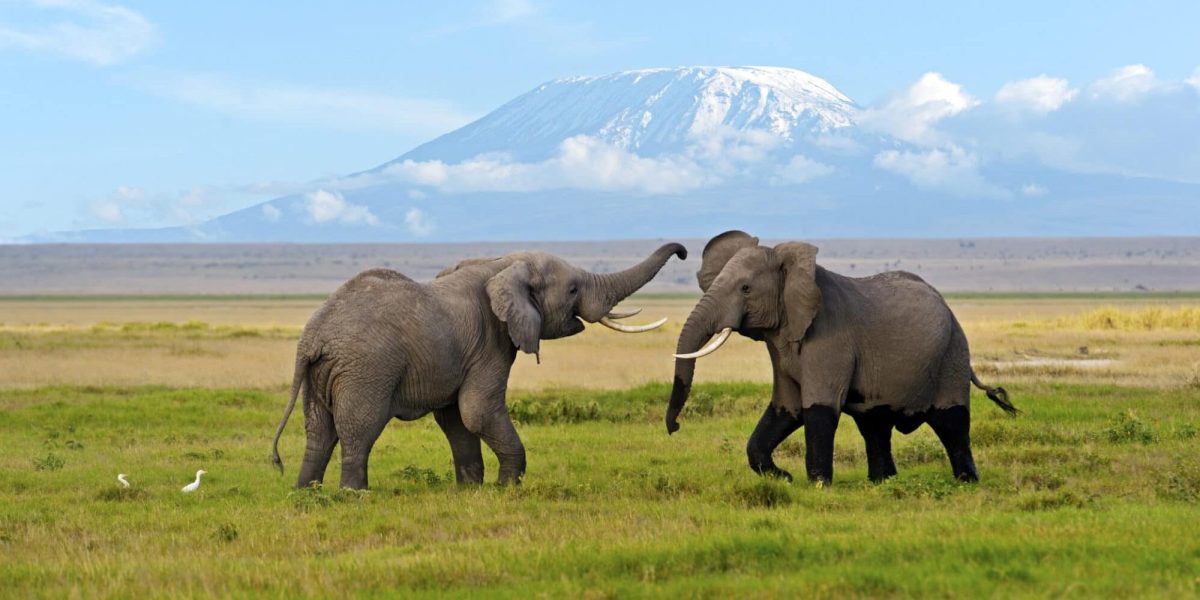


The Great Migration Serengeti 2026 is the greatest wildlife spectacle on Earth. Every year over 1.5 million wildebeest, accompanied by 200,000 zebras and 500,000 gazelles, make a continuous circular journey across the Serengeti ecosystem in Tanzania and the Maasai Mara in Kenya — driven entirely by rainfall and the search for fresh grass.
Witnessing the Great Migration Serengeti 2026 is a bucket-list experience for wildlife lovers from every corner of the world. But to see it at its most dramatic — the thundering river crossings, the vast columns of wildebeest stretching to the horizon, the predator action that follows the herds — you need to be in the right place at the right time.
This complete guide tells you exactly when and where to be for the Great Migration Serengeti 2026 — month by month, crossing by crossing, camp by camp.
“For a complete destination comparison read our Kenya vs Tanzania safari guide.”
What is the Great Migration?
The Great Migration is not a single event but a continuous year-round movement — a never-ending circular journey across the Serengeti-Mara ecosystem driven by seasonal rainfall patterns.
The wildebeest follow the rains, and the rains follow a predictable annual pattern. This makes the Great Migration Serengeti 2026 remarkably predictable — if you know where to be and when.
The migration covers approximately 1,800 kilometres in a clockwise loop through Tanzania’s Serengeti National Park and Kenya’s Maasai Mara National Reserve. The herds never stop moving — there is no beginning and no end to the Great Migration, only different phases of an eternal cycle.
The Great Migration Serengeti 2026: Month by Month Guide
January — February: Calving Season, Southern Serengeti
Location: Ndutu and southern Serengeti, Tanzania Highlight: Mass calving — 8,000 wildebeest born every day
January and February bring one of the Great Migration’s most dramatic and moving phases — calving season in the short grass plains of southern Serengeti and the Ndutu area.
Over 500,000 wildebeest calves are born during a remarkable 3-week window in February. The short grass plains of Ndutu are extraordinarily nutritious — perfect for nursing mothers. But the concentration of vulnerable calves also attracts every predator in the ecosystem.
Cheetahs, lions, leopards, hyenas, jackals, and wild dogs converge on the calving grounds. The predator action during calving season rivals the famous river crossings in sheer wildlife drama — and it is far less crowded.
Best camps: Ndutu Safari Lodge, &Beyond Ndutu Under Canvas, Sanctuary Ndutu Serengeti Camp
Why visit now: Extraordinary predator action, 8,000 calves born daily, fewer tourists than peak river crossing season
“For the complete Tanzania destination guide read our Tanzania safari guide.”
“The complete Ngorongoro guide read our Ngorongoro Crater complete visitor guide.”
March — May: The Long Rains, Central Serengeti
Location: Central Serengeti, Tanzania Highlight: Massive herds on the move, lush green landscape
As the rains arrive in March the wildebeest begin moving northwest — following the fresh grass growth. The herds gather in enormous concentrations on the central Serengeti plains, creating some of the most spectacular landscape views of the entire Great Migration Serengeti 2026.
March–May is the green season — the Serengeti is at its most lush and beautiful, wildflowers bloom across the plains, and the landscape is extraordinarily vivid. Lodge rates drop significantly making this excellent value for budget-conscious travellers.
May brings the first gatherings at the Grumeti River in the western corridor — the prelude to the dramatic Grumeti crossings that begin in June.
Best camps: Four Seasons Serengeti, Serengeti Serena Lodge, Lemala Ewanjan
Why visit now: Spectacular herds, beautiful green landscape, lower lodge rates, excellent predator viewing
“For the complete park guide read our Serengeti National Park complete visitor guide.”
June — July: Grumeti River Crossings, Western Serengeti
Location: Western Serengeti corridor — Grumeti River, Tanzania Highlight: First major river crossings of the year
June marks the beginning of the Great Migration’s most dramatic phase — the river crossings. The herds reach the Grumeti River in the western Serengeti corridor and face their first major obstacle of the annual cycle.
The Grumeti River is home to some of the largest Nile crocodiles in Africa — monsters up to 5 metres long that have been waiting in the same pools for months, knowing the wildebeest will come. The crossings at Grumeti are less famous than the Mara River crossings but are in many ways more dramatic — the crocodiles are bigger and more aggressive, and the crossing points are narrower.
Best camps: Singita Grumeti, Nomad Serengeti Safari Camp, Alex Walker’s Serian Serengeti
Why visit now: Dramatic crocodile crossings, fewer visitors than Mara, exclusive western corridor experience
July — October: Mara River Crossings — The Main Event
Location: Northern Serengeti and Maasai Mara, Kenya/Tanzania border Highlight: The famous Mara River crossings — the greatest wildlife spectacle on Earth
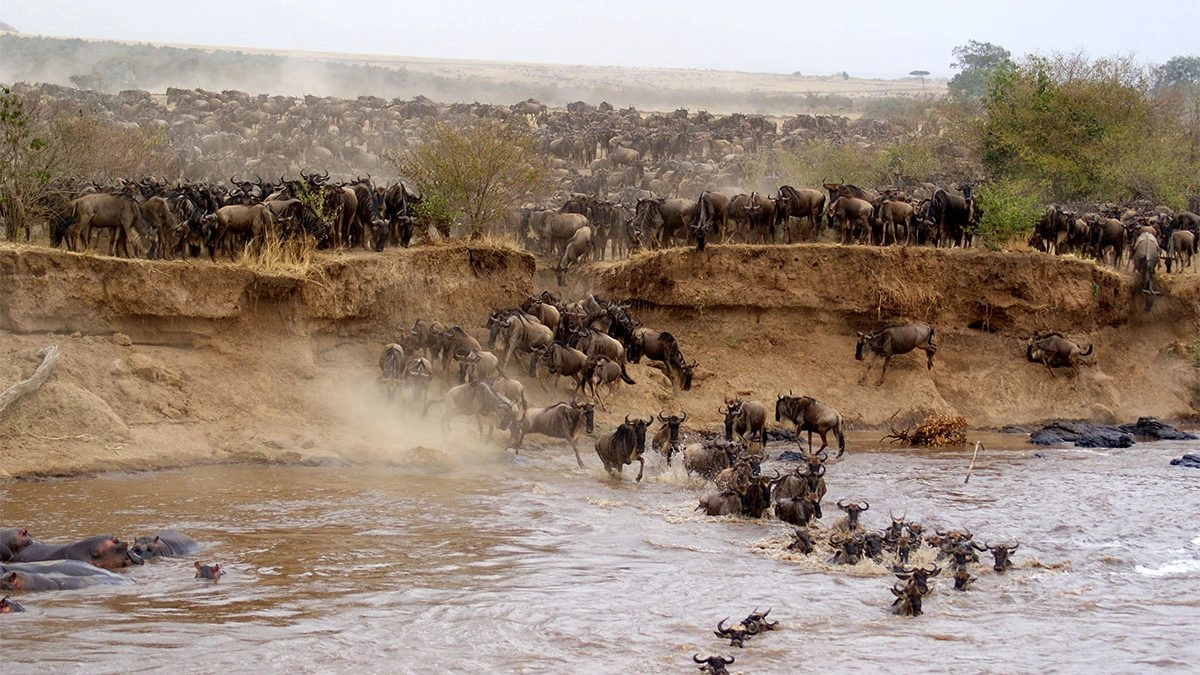
July through October is peak Great Migration Serengeti 2026 season — the period that every wildlife photographer and safari traveller dreams of. The wildebeest reach the Mara River on the Kenya-Tanzania border and begin the crossings that have made the Great Migration world famous.
The Mara River crossings are extraordinarily dramatic. Thousands of wildebeest mass on the riverbank, working themselves into a frenzy of noise and movement. Then — triggered by something invisible to human eyes — the first animals leap into the fast-flowing river and the whole herd follows in a thundering, churning mass.
Nile crocodiles up to 4 metres long launch from the water. Lions wait on the far bank. The crossing can last minutes or hours. Some wildebeest make it across. Others do not. Nature, raw and unfiltered.
The crossings are unpredictable — they can happen multiple times a day or not for several days. Your guide monitors radio communication with other guides and scouts across the ecosystem to position you at the right crossing point at the right moment.
Best Tanzania camps (northern Serengeti): Lemala Nanyukie, Asilia Olakira, Ubuntu Migration Camp
Best Kenya camps (Maasai Mara): Angama Mara, &Beyond Bateleur Camp, Governors’ Il Moran
Why visit now: The most famous wildlife spectacle on Earth — river crossings, predator action, enormous herds
Important: July–October is peak season. Book your Great Migration Serengeti 2026 camp at least 12 months in advance — the best camps sell out completely.
“For the complete Kenya guide read our Maasai Mara National Reserve complete visitor guide.”
November — December: The Return South
Location: Southern Serengeti, Tanzania Highlight: Massive herds returning south, excellent predator viewing
As the short rains arrive in November the wildebeest begin their return journey south — completing the great circular loop of the migration. The herds move quickly through the eastern Serengeti towards the southern plains where calving will begin again in January.
November and December offer excellent migration viewing with far fewer tourists than peak season. Lodge rates drop significantly and the Serengeti has a beautiful post-rain freshness.
Best camps: Nomad Serengeti Safari Camp, Asilia Sayari, Serengeti Migration Camp
Why visit now: Excellent value, fewer tourists, dramatic landscape, herds on the move
Great Migration Serengeti 2026: Where to Be Each Month
| Month | Location | Highlight |
|---|---|---|
| January | Ndutu, Southern Serengeti | Calving season begins |
| February | Ndutu, Southern Serengeti | Peak calving — 8,000 calves/day |
| March | Central Serengeti plains | Herds moving north, lush scenery |
| April | Central Serengeti | Long rains — green season |
| May | Western corridor | Herds gathering at Grumeti |
| June | Western Serengeti | Grumeti River crossings begin |
| July | Northern Serengeti/Mara | Mara River crossings begin |
| August | Northern Serengeti/Mara | Peak river crossings |
| September | Maasai Mara, Kenya | Peak crossings continue |
| October | Northern Serengeti | Crossings continue, herds return |
| November | Eastern Serengeti | Return migration south |
| December | Southern Serengeti | Approach to calving grounds |
The River Crossings — Everything You Need to Know
The Mara River crossings are the defining image of the Great Migration Serengeti 2026 — but many first-time safari travellers don’t fully understand how they work.
They are unpredictable. Crossings can happen multiple times in one day or not at all for several days. Your guide monitors the herds continuously using radio contact with a network of guides and scouts. Patient positioning is everything.
They can happen anywhere. The Mara River has dozens of potential crossing points. Your guide needs to be in the right place — this requires deep experience and excellent information networks.
They are incredibly fast. A crossing can be over in 10 minutes. Being positioned at the right spot before it starts is essential — arriving after it has begun means missing the most dramatic moments.
The best viewing is from the Tanzania side. Northern Serengeti camps give you access to crossing points with fewer vehicles and a more exclusive experience than the Kenya side which can get crowded in August.
Contact Go Safaris Africa to plan your Great Migration safari — our guides have deep knowledge of the crossing points and the movement patterns of the herds.
How to See the Great Migration: Safari Options
Fly-In Safari (Recommended)
Fly from Kigali or Nairobi to a Serengeti airstrip — Seronera, Kogatende, or Grumeti — and transfer directly to your mobile camp. No long road drives, maximum time with the migration.
Drive-In Safari
Drive from Arusha or Nairobi to the Serengeti. Longer journey but allows you to see more of Tanzania en route — Tarangire, Lake Manyara, Ngorongoro Crater.
Mobile Camping Safari
Follow the migration by moving your camp as the herds move. Mobile tented camps reposition 3–4 times during peak season to stay with the herds. The most immersive Great Migration experience available.
Combine the Great Migration with Gorilla Trekking
One of the world’s greatest safari combinations is the Great Migration Serengeti + Rwanda gorilla trekking — two of Africa’s most extraordinary wildlife experiences in a single trip.
A popular itinerary with Go Safaris Africa clients:
- Days 1–3: Kigali → gorilla trekking Rwanda → Volcanoes National Park
- Days 4–7: Fly Kigali → Kilimanjaro or Nairobi → Serengeti Great Migration safari
- Day 8: Return home from Nairobi or Kilimanjaro
This combination gives you mountain gorillas in Rwanda and the greatest wildlife spectacle on Earth in Tanzania — an unforgettable 8-day East Africa safari.
👉 Contact Go Safaris Africa to plan your combined gorilla and migration safari 👉 Read our Rwanda gorilla trekking guide 👉 View all our safari tours
Practical Information
Best Time Overall
July–October for river crossings — the most dramatic phase January–February for calving — equally spectacular and less crowded
How to Get There
From Kigali: Fly RwandAir or Kenya Airways via Nairobi to Kilimanjaro (JRO) then road or charter flight to Serengeti From Nairobi: 1-hour charter flight to Serengeti airstrips
Visa Information
Tanzania: E-visa available online — $50 USD for most nationalities Kenya: ETA (Electronic Travel Authorisation) required — $30 USD
What to Pack
Light, neutral-coloured clothing — khaki, green, beige. The same packing principles as gorilla trekking apply — see our complete safari packing list.
Health
Yellow fever vaccination required. Antimalarial medication essential. Consult your doctor 4–6 weeks before departure.
Book Your Great Migration Serengeti 2026 Safari
Go Safaris Africa plans and operates Great Migration safaris combined with Rwanda gorilla trekking — the ultimate East Africa wildlife experience.
- 👉 View all our safari tours
- 👉 Contact us for a Great Migration safari quote
- 👉 Combine with gorilla trekking Rwanda
📞 Call or WhatsApp: +250 788 365 595 📧 info@gosafarisafrica.com 🌐 www.gosafarisafrica.com
Frequently Asked Questions
When is the best time to see the Great Migration Serengeti 2026? July–October for the famous Mara River crossings. January–February for calving season in Ndutu — equally dramatic with better value and fewer tourists.
How far in advance should I book the Great Migration Serengeti 2026? The best camps for July–October crossings sell out 12–18 months in advance. Book as early as possible. Contact Go Safaris Africa immediately to check 2026 availability.
Is the Great Migration only in the Serengeti? No — the migration moves between Tanzania’s Serengeti and Kenya’s Maasai Mara in a continuous loop. The famous Mara River crossings happen on the Kenya-Tanzania border. Read our guides for both destinations on our tours page.
Can I combine gorilla trekking with the Great Migration? Absolutely — this is one of our most popular safari combinations. Contact Go Safaris Africa for a combined Rwanda gorilla and Serengeti migration itinerary.
How long should I spend at the Serengeti for the Great Migration? Minimum 3 nights to have a good chance of witnessing a river crossing. We recommend 5–7 nights for the best experience — crossings are unpredictable and more nights mean more opportunities.
Is the Great Migration guaranteed to be seen? The overall migration — vast herds of wildebeest moving across the plains — is visible year-round in the right locations. The river crossings are seasonal and unpredictable on any given day. An experienced guide significantly improves your chances. No operator can guarantee a crossing on a specific day.
Go Safaris Africa is a Kigali-based safari operator specialising in gorilla trekking, wildlife safaris, and tailor-made adventures across Rwanda, Uganda, Kenya, and Tanzania. 📍 Prince House, Second Floor, Office #5, Kigali, Rwanda 📞 +250 788 365 595 | 🌐 www.gosafarisafrica.com