
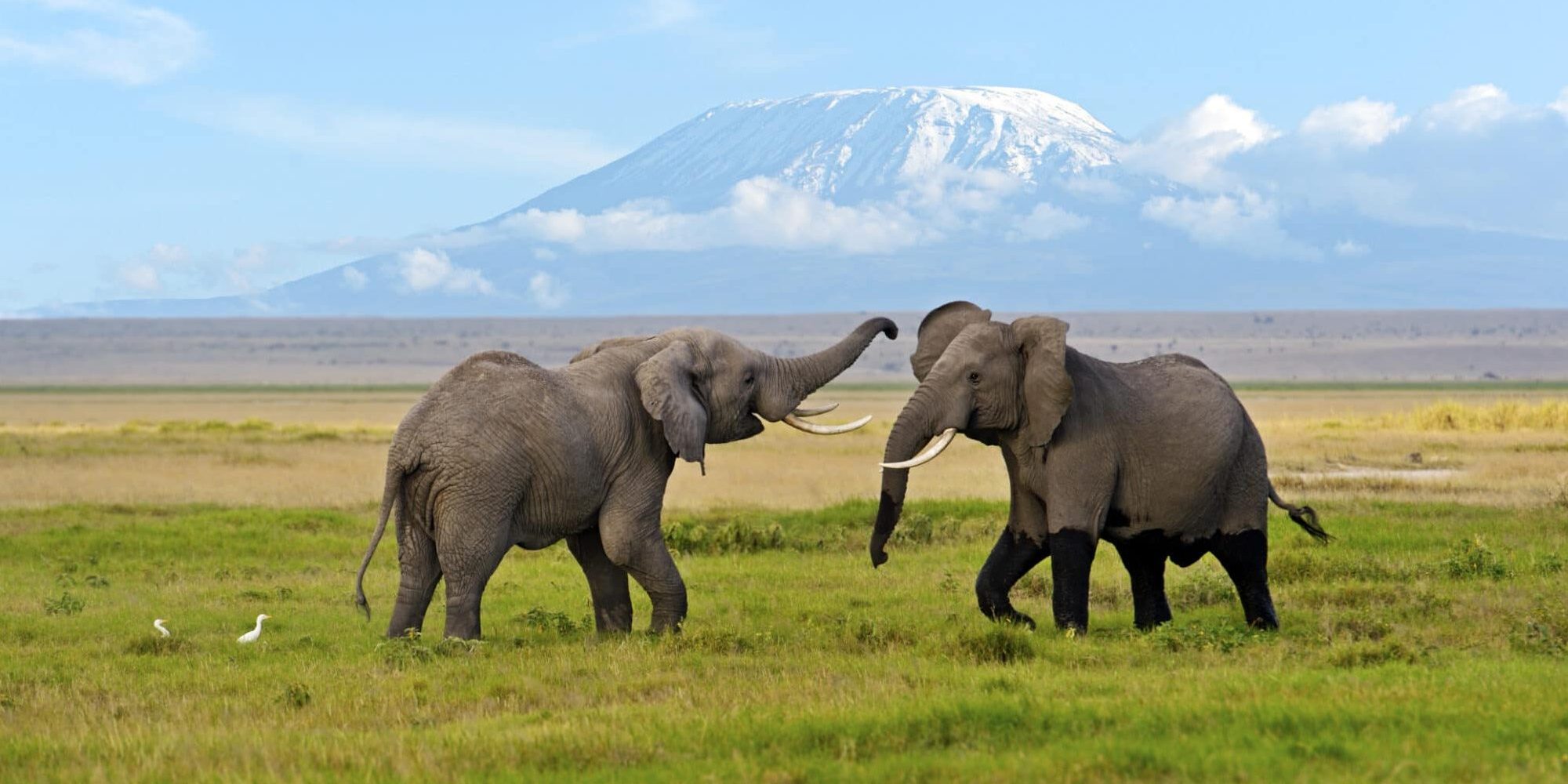
Amboseli National Park is one of Africa’s most iconic and most photographed wildlife destinations — the place where enormous elephant herds move across open plains with the snow-capped peak of Mount Kilimanjaro rising dramatically behind them in one of the most celebrated wildlife images on Earth.
Located in southern Kenya on the border with Tanzania just 240 km from Nairobi Amboseli National Park combines exceptional elephant viewing the most dramatic mountain backdrop in Africa extraordinary bird diversity and the timeless beauty of East African savanna into one of Kenya’s finest safari experiences.
This complete guide covers everything you need to know about visiting Amboseli National Park in 2026 — the wildlife the elephants Kilimanjaro views game drives best camps costs best time to visit how to get there and how to combine it with gorilla trekking in Rwanda and the Maasai Mara for the perfect Kenya East Africa safari.
Amboseli National Park: Essential Facts
| Location | Southern Kenya — Kajiado County — Tanzania border |
| Size | 392 km² (national park) + 3,000 km² ecosystem |
| Altitude | 1,128m – 1,400m |
| Established | 1974 as national park |
| UNESCO Status | Biosphere Reserve 1991 |
| Main attraction | Elephants against Mount Kilimanjaro |
| Elephant population | Approximately 1,600 — one of Kenya’s largest herds |
| Mount Kilimanjaro | 5,895m — Africa’s highest peak — 40 km away in Tanzania |
| Distance from Nairobi | 240 km — approximately 4–5 hours by road |
| Nearest airstrip | Amboseli airstrip — 45-minute domestic flight from Nairobi |
| Main gate | Meshanani Gate (south) · Kimana Gate (east) |
Why Amboseli National Park is Special
Amboseli National Park holds a unique place in Africa’s safari landscape — not as the largest or most biodiverse park but as the one that most perfectly combines iconic wildlife with iconic landscape in a single extraordinary frame.
The Kilimanjaro factor On a clear morning — most reliably in the early hours before cloud builds — Mount Kilimanjaro dominates the southern horizon of Amboseli National Park in a way that is simply breathtaking. Africa’s highest peak at 5,895 metres its snow-capped summit glowing in the early morning light above the flat Amboseli plains with elephant herds moving below it is one of the most magnificent sights available to any wildlife traveller anywhere on Earth.
The challenge — and the reward — is that Kilimanjaro is cloud-free only intermittently. Early morning is the most reliable time for clear views. July–October and January–February offer the best overall visibility. When conditions align the combination of elephants and Kilimanjaro is simply unforgettable.
The elephant population Amboseli National Park has one of Kenya’s most studied and most accessible elephant populations — approximately 1,600 individuals in large well-habituated herds that have been continuously observed by researchers from the Amboseli Elephant Research Project since 1972 — the longest running elephant study in the world.
The Amboseli elephants are extraordinary in size — large-tusked bulls with enormous ivory sweeping almost to the ground are regularly encountered. The herds are highly habituated to safari vehicles allowing remarkably close encounters with Africa’s largest land animals.
The open landscape Unlike forest parks where wildlife is hidden in dense vegetation Amboseli National Park’s open short grass plains and acacia woodland give visibility for miles — making wildlife spotting easier and more satisfying than in more heavily vegetated environments.
Wildlife in Amboseli National Park
Elephants — The Stars of Amboseli
Amboseli National Park is Kenya’s premier elephant destination — and one of the finest in all of Africa. The approximately 1,600 elephants of the Amboseli ecosystem are among the most studied animals in the world.
The Amboseli Elephant Research Project — founded by Dr Cynthia Moss in 1972 — has followed every individual elephant in the Amboseli population continuously for over 50 years. The project has identified over 1,600 individual elephants and documented their family histories social relationships births and deaths in extraordinary detail. The data produced has transformed our understanding of elephant intelligence social behaviour and emotional life.
The Amboseli elephants are known for their large tusks — particularly the older bulls whose ivory is among the most impressive remaining in Kenya. Several famous individual bulls — including legendary tuskers with ivory sweeping to the ground — are well-known to guides who have watched them for years.
Elephant encounter tips in Amboseli:
- Early morning game drives offer the best elephant sightings in good Kilimanjaro light
- The Ol Tukai Orok woodland area is a consistently reliable elephant zone — families feed and rest in the acacia forest
- The Enkongo Narok swamp attracts large elephant concentrations — particularly in dry season when water is scarce
- Large breeding herds of 50–100 elephants are common — among the most impressive wildlife spectacles in Kenya
Lions
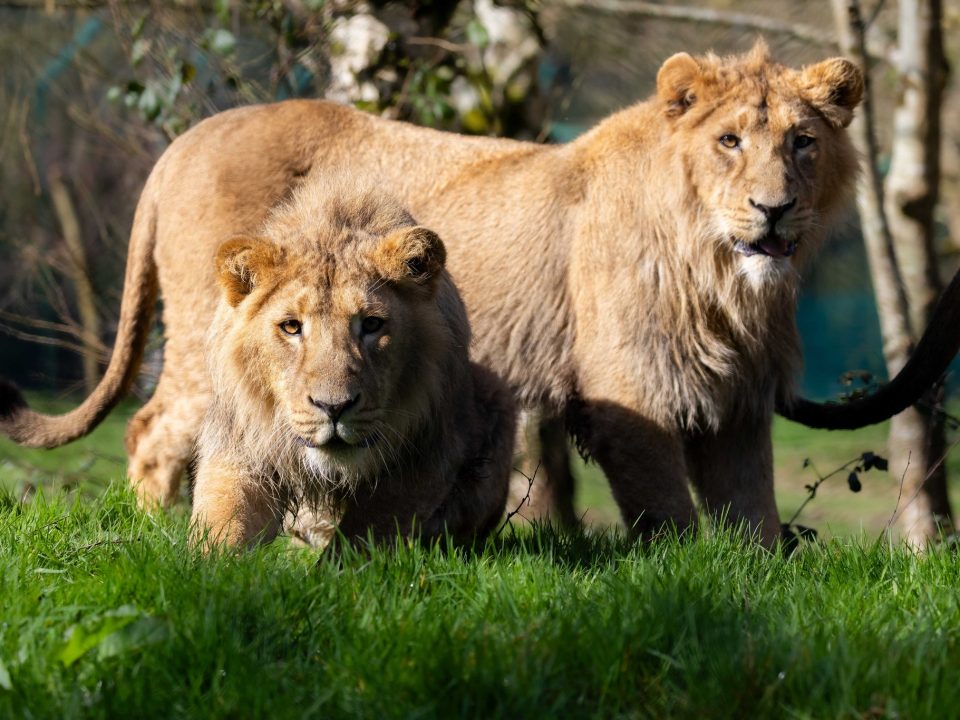
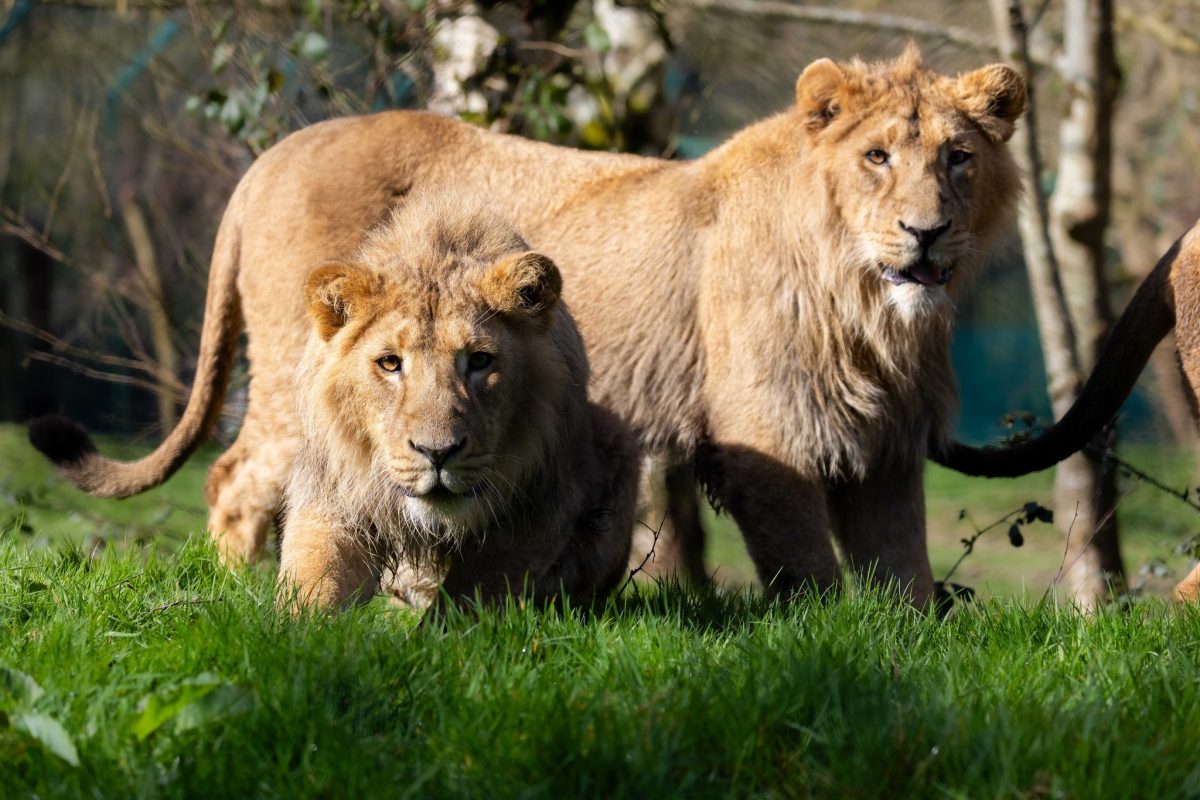
Amboseli National Park has a healthy lion population — several well-habituated prides that are reliably located on game drives. The open plains make lion spotting easier than in more densely vegetated parks and the Amboseli lions are known for their relaxed behaviour around safari vehicles.
Cheetahs
The open plains of Amboseli National Park are excellent cheetah habitat — good populations of cheetahs are resident in the park and regularly seen on game drives particularly on the open short grass areas between the swamps and the southern park boundary.
Leopards
Present but elusive — leopards favour the acacia woodland zones of Amboseli National Park particularly around Ol Tukai and the northern woodland areas. Evening game drives offer the best leopard sighting opportunities.
Buffalos
Large buffalo herds — sometimes hundreds of animals — are common throughout Amboseli National Park particularly around the swamp areas where they come to water and wallow.
Wildebeest and Zebras
Large herds of wildebeest and plains zebras are abundant throughout the park — providing the primary prey base for the lion prides and adding to the spectacular open savanna wildlife scenes.
Giraffes
Maasai giraffes — the subspecies found in Kenya and Tanzania — are common in the acacia woodland zones of Amboseli National Park. Their extraordinary height silhouetted against Kilimanjaro makes for spectacular photography.
Hippos
The Enkongo Narok and Ol Okenya swamps support good hippo populations — wallowing in the shallow channels and pools that permeate the swamp system.
Birdlife — 600+ Species
Amboseli National Park is a world-class birding destination — over 600 bird species have been recorded including:
Waterbirds: The swamps attract extraordinary concentrations of waterbirds — pelicans pink-backed pelicans yellow-billed storks sacred ibis spoonbills herons egrets and kingfishers in large numbers
Raptors: Martial eagle bateleur Verreaux’s eagle-owl and numerous other raptor species
Ostriches: Common throughout the open plains — often seen in family groups
Grey crowned crane — Kenya’s national bird — frequently seen in pairs near the swamps
Kilimanjaro special: The lower slopes of Kilimanjaro visible from Amboseli National Park are home to Hartlaub’s turaco and other montane species occasionally seen near the park’s southern boundary
The Amboseli Swamps — Wildlife Hotspots
Amboseli National Park has several permanent swamp systems fed by underground water from Mount Kilimanjaro’s glaciers — these swamps are the park’s most important wildlife hotspots particularly during dry season.
Enkongo Narok Swamp
The largest and most productive swamp in Amboseli National Park — a vast papyrus-fringed wetland in the western park that attracts elephants hippos buffalos lions and extraordinary waterbird concentrations. The name means “black water” in Maasai — referring to the dark peat-rich water.
The Enkongo Narok is the single best location in Amboseli National Park for game viewing — particularly in dry season when the permanent water draws wildlife from across the ecosystem.
Ol Okenya Swamp
A smaller swamp system in the eastern park — excellent for hippos and waterbirds. The open area surrounding the swamp is good lion and cheetah territory.
Longinye Swamp
Central park swamp — excellent for elephants particularly in the afternoon when breeding herds come to drink and bathe. The Kilimanjaro backdrop from this swamp on a clear morning is extraordinary.
Game Drives in Amboseli National Park
Timing Your Game Drive for Kilimanjaro Views
The most important Amboseli National Park game drive tip is timing your drive for Kilimanjaro visibility. The mountain is most reliably cloud-free in the first 2 hours after sunrise — after which clouds typically build from the warm slopes below.
Dawn game drive (5:30am–9:00am): The most important drive of the day for Kilimanjaro photography. Set up near a waterhole or swamp before dawn and be ready as the light improves and the mountain reveals itself above the plains.
Late afternoon drive (3:30pm–6:30pm): Kilimanjaro occasionally clears again in the late afternoon as temperatures drop. Also excellent for predator activity as temperatures cool.
Full day drive: Essential for maximising both Kilimanjaro visibility and wildlife encounters — particularly if you only have one day in Amboseli National Park.
Photography Tips for Amboseli
The iconic shot: Large elephant family in the foreground with Kilimanjaro clear in the background. Requires:
- Early morning (pre-9am)
- Clear weather (best in dry season)
- Positioning at one of the swamp edges where elephants come to water with an open Kilimanjaro view to the south
- Telephoto lens to compress the distance between elephants and mountain (200–400mm)
- Low angle — get as low as possible in the vehicle for the most dramatic composition
For photography tips applicable across East Africa read our gorilla trekking photography guide — many principles apply equally to Amboseli elephant photography.
Best Time to Visit Amboseli National Park
Dry Season — June to October ⭐⭐⭐⭐⭐
The best overall time for Amboseli National Park. Wildlife concentrates around the permanent swamps as seasonal water sources dry up — creating spectacular wildlife concentrations. Kilimanjaro views are generally good. The park is at its most accessible — tracks are dry and firm.
July–October coincides with the Great Migration in the Maasai Mara making this the perfect time for a combined Amboseli and Mara safari.
Short Dry Season — January–February ⭐⭐⭐⭐⭐
Excellent conditions — often the best Kilimanjaro views of the year with clear dry air and good visibility. Wildlife viewing outstanding. Fewer tourists than July–October. Excellent value.
Wet Season — March–May and November ⭐⭐⭐
Rain makes tracks muddy and can affect game driving. Kilimanjaro is more often cloud-covered. However the park is lush and beautiful baby animals are abundant and lodge rates drop significantly. Wildlife is still excellent — elephants and other wildlife are present year-round.
Where to Stay in Amboseli National Park
Ultra-Luxury ($600–$2,000+ per person per night)
&Beyond Ol Donyo Lodge Located outside the national park on the 275,000-acre Chyulu Hills area — one of the most spectacular and exclusive properties in Kenya. Stunning views of both Kilimanjaro and Chyulu Hills extraordinary wildlife and complete exclusivity. Horse riding and walking safaris available alongside game drives. One of Kenya’s most celebrated luxury lodges.
Tortilis Camp Legendary luxury tented camp in the Amboseli ecosystem with extraordinary Kilimanjaro views from every tent. One of Kenya’s most celebrated safari properties — intimate atmosphere outstanding guiding and superb cuisine. A Kilimanjaro sunrise from your tent deck at Tortilis is one of East Africa’s most extraordinary morning experiences.
Luxury ($300–$600 per person per night)
Elewana Tortilis The finest lodge directly inside Amboseli National Park — beautifully designed spacious tents with stunning Kilimanjaro views outstanding food and experienced guides who know the Amboseli elephant families individually.
Amboseli Serena Safari Lodge Well-established luxury lodge inside the park with beautiful design excellent facilities and reliable wildlife access. Pool area with Kilimanjaro backdrop is extraordinary.
Tawi Lodge Private conservancy lodge outside the park — beautiful property with Kilimanjaro views excellent wildlife and authentic safari atmosphere.
Mid-Range ($150–$300 per person per night)
Amboseli Sopa Lodge Good mid-range option inside the park with comfortable rooms reliable service and reasonable wildlife access.
Kibo Safari Camp Well-located mid-range tented camp with good Kilimanjaro views comfortable facilities and accessible pricing.
OlTukai Lodge Well-established lodge in the heart of the park surrounded by the Ol Tukai Orok acacia woodland — elephants frequently walk through the lodge grounds. Good value and excellent wildlife immersion.
Budget ($60–$150 per person per night)
Kimana Sanctuary Tented Camp Budget tented camp near the Kimana Gate — simple but comfortable facilities at accessible prices. Good access to the park.
Public campsites Basic camping facilities inside Amboseli National Park — bring all equipment. Extraordinary atmosphere — elephants sometimes pass through public campsites at night.
Getting to Amboseli National Park
By Domestic Flight (Recommended)
A 45-minute domestic flight from Wilson Airport in Nairobi is the fastest and most comfortable way to reach Amboseli National Park. Daily flights operate to Amboseli airstrip. Most lodges arrange transfers from the airstrip.
Go Safaris Africa arranges all domestic flight bookings as part of Kenya safari packages.
By Road from Nairobi (4–5 hours)
The road from Nairobi to Amboseli National Park via Namanga takes approximately 4–5 hours. The road is tarmac as far as Namanga on the Kenya-Tanzania border then rough dirt road to the park gates. A 4×4 vehicle is strongly recommended.
The road journey passes through the Athi Plains — home to large herds of wildebeest and zebra — and the Kajiado highlands with views of Kilimanjaro appearing as you approach the park.
Combining Amboseli with Other Kenya Destinations
Amboseli + Maasai Mara (Most Popular) The classic Kenya safari combination — elephants and Kilimanjaro in Amboseli followed by lions and the Great Migration in the Maasai Mara. Fly between the two destinations (45–60 minutes) or drive via Nairobi.
Amboseli + Tsavo West Two complementary ecosystems — combine Amboseli’s elephant herds with Tsavo West’s dramatic volcanic landscape red elephants and Mzima Springs. Drive between the two in 2–3 hours.
Amboseli + Rwanda Gorilla Trekking The ultimate wildlife combination — gorillas in Rwanda followed by elephants and Kilimanjaro in Amboseli. Fly Kigali → Nairobi → Amboseli airstrip. Read our Rwanda travel guide and gorilla trekking guide for planning details.
Amboseli National Park Costs
Park Fees
- Adult entry: $60 USD per person per day
- Vehicle fee: $40 USD per vehicle per day
Total Safari Costs
| Safari Level | Cost Per Person Per Day |
|---|---|
| Budget | $150–$250 |
| Mid-range | $300–$500 |
| Luxury | $600–$1,200 |
| Ultra-luxury | $800–$2,500+ |
Typical 3-night Amboseli safari total:
- Budget: $800–$1,200 per person
- Mid-range: $1,500–$2,500 per person
- Luxury: $3,000–$6,000 per person
The Maasai People and Amboseli
Amboseli National Park sits within the traditional land of the Maasai — one of Africa’s most iconic indigenous communities. The Maasai have lived alongside the Amboseli wildlife for centuries their cattle herds grazing the same plains as the elephants and lions in a coexistence that has shaped the ecosystem.
Today Maasai communities live in the conservancies surrounding Amboseli National Park — many participating in community conservation programmes that generate income from wildlife tourism while protecting wildlife habitat.
Most Amboseli lodges offer Maasai cultural visits — meeting community members learning about traditional life and purchasing authentic handmade beadwork and crafts. These visits directly support Maasai families and are a meaningful addition to any Amboseli safari.
The Kimana Community Wildlife Sanctuary adjacent to the national park is a community-managed wildlife area that demonstrates the extraordinary success of the community conservation model — Maasai landowners protecting wildlife habitat in exchange for tourism revenue.
Book Your Amboseli National Park Safari with Go Safaris Africa
Go Safaris Africa plans and operates Amboseli National Park safaris as part of complete Kenya safari itineraries or combined with Rwanda gorilla trekking for the ultimate East Africa wildlife experience.
- 👉 View Kenya safari packages
- 👉 Maasai Mara National Reserve complete guide
- 👉 Kenya vs Tanzania safari comparison
- 👉 Contact us for a free Amboseli safari quote
📞 Call or WhatsApp: +250 788 365 595 📧 info@gosafarisafrica.com 🌐 www.gosafarisafrica.com
Frequently Asked Questions
What is Amboseli National Park famous for? Amboseli National Park is famous for its large elephant herds and the spectacular backdrop of Mount Kilimanjaro — Africa’s highest peak. The iconic image of elephants against Kilimanjaro’s snow-capped summit has made Amboseli one of the most photographed wildlife destinations in the world.
When is the best time to see Kilimanjaro from Amboseli? Early morning is most reliable — Kilimanjaro is typically cloud-free in the first 1–2 hours after sunrise before clouds build. January–February and July–October offer the clearest overall conditions. See our complete seasonal guide above.
How many elephants are in Amboseli National Park? Approximately 1,600 elephants — one of Kenya’s largest and most studied elephant populations. The Amboseli Elephant Research Project has followed every individual since 1972.
How do I get to Amboseli National Park? A 45-minute domestic flight from Wilson Airport Nairobi is the fastest option. By road takes 4–5 hours from Nairobi. Go Safaris Africa arranges all transfers as part of Kenya safari packages.
Can I combine Amboseli with the Maasai Mara? Absolutely — this is one of Kenya’s most popular safari combinations. Fly between the two destinations in 45–60 minutes. Read our Maasai Mara complete guide.
Can I combine Amboseli with Rwanda gorilla trekking? Yes — fly Kigali to Nairobi (1 hour) then domestic flight to Amboseli (45 minutes). Gorillas and Kilimanjaro elephants in a single East Africa trip. Contact us to plan your combined itinerary.
Is Amboseli National Park good for photography? Outstanding — particularly for elephant photography with the Kilimanjaro backdrop. Early morning light and a 200–400mm lens produce the most dramatic images. Read our gorilla trekking photography tips for general East Africa wildlife photography advice.
What other wildlife is in Amboseli besides elephants? Lions cheetahs leopards buffalos hippos giraffes wildebeest zebras and 600+ bird species. Amboseli National Park offers excellent Big Five game viewing alongside its world-famous elephant encounters.
Go Safaris Africa is a Kigali-based safari operator specialising in gorilla trekking wildlife safaris and tailor-made adventures across Rwanda Uganda Kenya and Tanzania. 📍 Prince House Second Floor Office #5 Kigali Rwanda 📞 +250 788 365 595 | 🌐 www.gosafarisafrica.com